




RAIC Group Benefits Program
Western Financial Group has partnered with the Royal Architectural Institute of Canada (RAIC) to help members save up to 10% on their Group Benefits Plans.
Quebec members: RAIC Group Benefits Program is provided through AGA Assurances Collectives, an AMF authorized agency.
What Western Financial Group offers
- Tailored group benefits solutions for corporate partners within the architecture and design industry
- Designed to support talent attraction, retention, and employee well-being
- Coverage options that go beyond standard benefits to meet modern workforce expectations
- Pay-direct drug cards that cover prescription drugs and professional services electronically at the point of sale
- Long-term rate stability is generated by spreading claims over the entire pool of participants
- Members will receive immediate savings off existing premiums for equivalent coverage
- Member organizations have program flexibility with many different coverage options to choose from
- Plan sponsors can conveniently perform many administrative functions online
- Each client will have a dedicated insurance advisor to assist them
- Virtual Health Care
IMMEDIATE SAVINGS | EXCEPTIONAL FLEXIBILITY | UNMATCHED LONG-TERM RATE STABILITY
Group Benefits
Canada’s most stable rates over a 5 year period
Customers who switch to RAIC Group Benefits save 10% with our pooled structure that puts an end to big price jumps. By pooling over 1,750 businesses together into one group, we cut administrative fees, and get you the right plan at the best price possible.
We have hundreds of plan options to choose from, so you can create a plan that fits your budget perfectly.
Coverage Options

EXTENDED HEALTH
Extended health coverage helps your employees pay for necessary medical expenses that may not be covered under their provincial health care plan.

DENTAL
Dental coverage can help cover the costs of dental work for your employees and their families. You can build your plan with a variety of coverage levels, from basic maintenance to major restorative services.

DRUG & PROFESSIONAL SERVICES
Helps cover costs of prescription drugs and professional services such as chiropractor, massage therapy and physiotherapy.

VISION
Provides employees with coverage for regular eye exams, eyeglasses or contact lenses, and laser eye surgery.

HEALTH CARE SPENDING ACCOUNTS
Health Care Spending Accounts provide your employee’s with coverage for health-related expenses not included in their plan, or to top up their group benefits.
Member Advantages

INDUSTRY-LEADING COVERAGE
Coverage type and limits that are tailored to your industry.

LONG-TERM RATE STABILITY
Stability is generated by spreading claims over the entire pool of participants.

PAY-DIRECT DRUG/DENTAL CARD
Pay-direct drug cards that cover prescription drugs and professional services electronically at the point of sale.

PROGRAM FLEXIBILITY
Member organizations have many different coverage options to choose from.

ONLINE ADMINISTRATION
Plan sponsors can conveniently perform many administrative functions online.

DEDICATED SERVICE
Each member will have a dedicated Group Benefits Advisor to assist them.
Why Choose Western

Compare Insurance Quotes for Free
We shop across trusted providers to find you the best personal or commercial insurance coverage.


Serving Canadians Since 1905
Over a century of experience delivering trusted insurance solutions.

Fast, Personalized Advice From Experts
Our local insurance experts understand your specific needs.

Convenient Same-Day Service
Get covered fast with hassle-free, same-day insurance solutions.

Giving Back
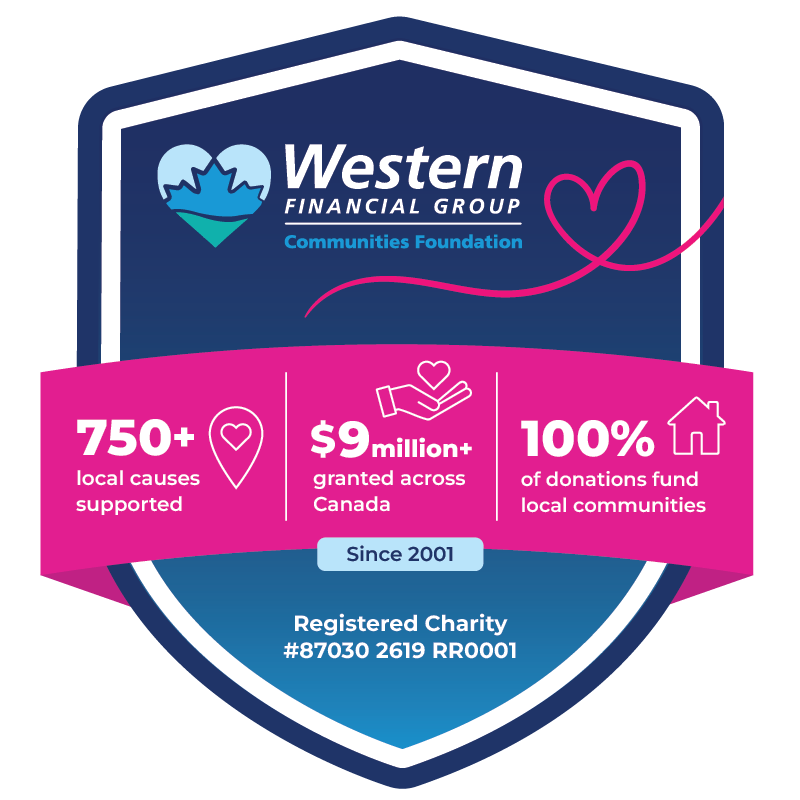
Through the Western Communities Foundation.
Over $9M donated since 2001 to strengthen communities.
FAQ's About the Royal Architectural Institute of Canada (RAIC) Group Benefits
Group benefits in Canada, also known as workplace benefits, are employer-sponsored insurance plans offered as part of a total compensation package, designed to help cover health and financial expenses not included in provincial healthcare.
These plans typically provide coverage for services such as:
- health care
- prescription drugs
- dental and vision care
- hospital coverage
- paramedical services (like massage, physio, chiro)
- life and disability insurance
And may also include travel, critical illness, or retirement-related benefits, offering employees broader protection and support beyond basic public coverage.
No. Beyond statutory requirements such as Canada Pension Plan (CPP) contributions, Employment Insurance (EI) premiums, workers’ compensation coverage, and access to provincial or territorial health insurance, most additional group benefits are voluntary. Employers in Canada are not generally required to offer benefits like dental care, extended health coverage, life insurance, or disability insurance, though many choose to include them as part of a competitive compensation package.
It depends on the type of benefit and how the plan is structured. In Canada, some employer-paid group benefits are considered taxable while others are not: for example, employer-paid health and dental premiums are generally tax-free in most provinces (except Quebec), whereas premiums for life insurance or accidental death and dismemberment (AD&D) are typically treated as taxable benefits. Because tax treatment can vary by province and by whether the employer or employee pays the premiums, it’s important to confirm the rules for each specific benefit.
In many standard group benefits plans, employees are not required to complete medical questionnaires to enroll. However, insurers may assess overall group risk based on factors like company size and demographics, and higher levels of life or disability coverage may require medical evidence.
This depends on the employer’s policy. Participation is often mandatory unless the employee can demonstrate comparable coverage, such as through a spouse’s plan.
The cost of group benefits in Canada varies widely depending on factors such as the size of the organization, the level of coverage, and how premiums are shared between employer and employees. On average, a competitive benefits package can range from approximately $3,000 to $8,000 per employee per year, though actual costs may differ significantly. Basic coverage, such as life insurance, is typically relatively low-cost, while more comprehensive plans with extended health, dental, and disability benefits tend to increase overall expenses.
Before setting up a group benefits plan, employers should review key elements such as eligibility criteria, waiting periods, premium cost-sharing, coverage limits, and the tax treatment of each benefit. It’s also important to ensure the plan aligns with the size, demographics, and needs of the workforce. An effective plan strikes the right balance between affordability and offering benefits that employees genuinely value.
Yes. Employers can tailor group benefits plans to fit their budget and workforce needs by selecting different coverage types, setting contribution levels, and adjusting plan features such as deductibles, co-insurance, and maximums. Many insurers also offer flexible or modular plans, allowing employers to scale coverage over time while ensuring the plan remains competitive and relevant to employees.
Most insurers in Canada require a minimum of 2 to 5 eligible employees to establish a group benefits plan, though requirements can vary by provider.
Eligibility typically includes full-time employees, and often their dependents (spouses and children). Many plans also include a waiting period, commonly 3 to 6 months, before new hires become eligible for coverage.

March 11, 2026
How Canadian Businesses Can Control Employee Benefits Costs
Employee benefits play an important role of attracting and retaining talent in Canada, but m…
November 22, 2023
How Cyber Insurance Can Protect Your Small Business
What happens when your computer system is hacked and your customer data is exposed and/or st…
June 19, 2023
Does Your Business Need a Benefits Administrator?
Implementing and managing your employee benefits plan is known as benefits administration. E…