


 13,000+ Reviews | 4.5
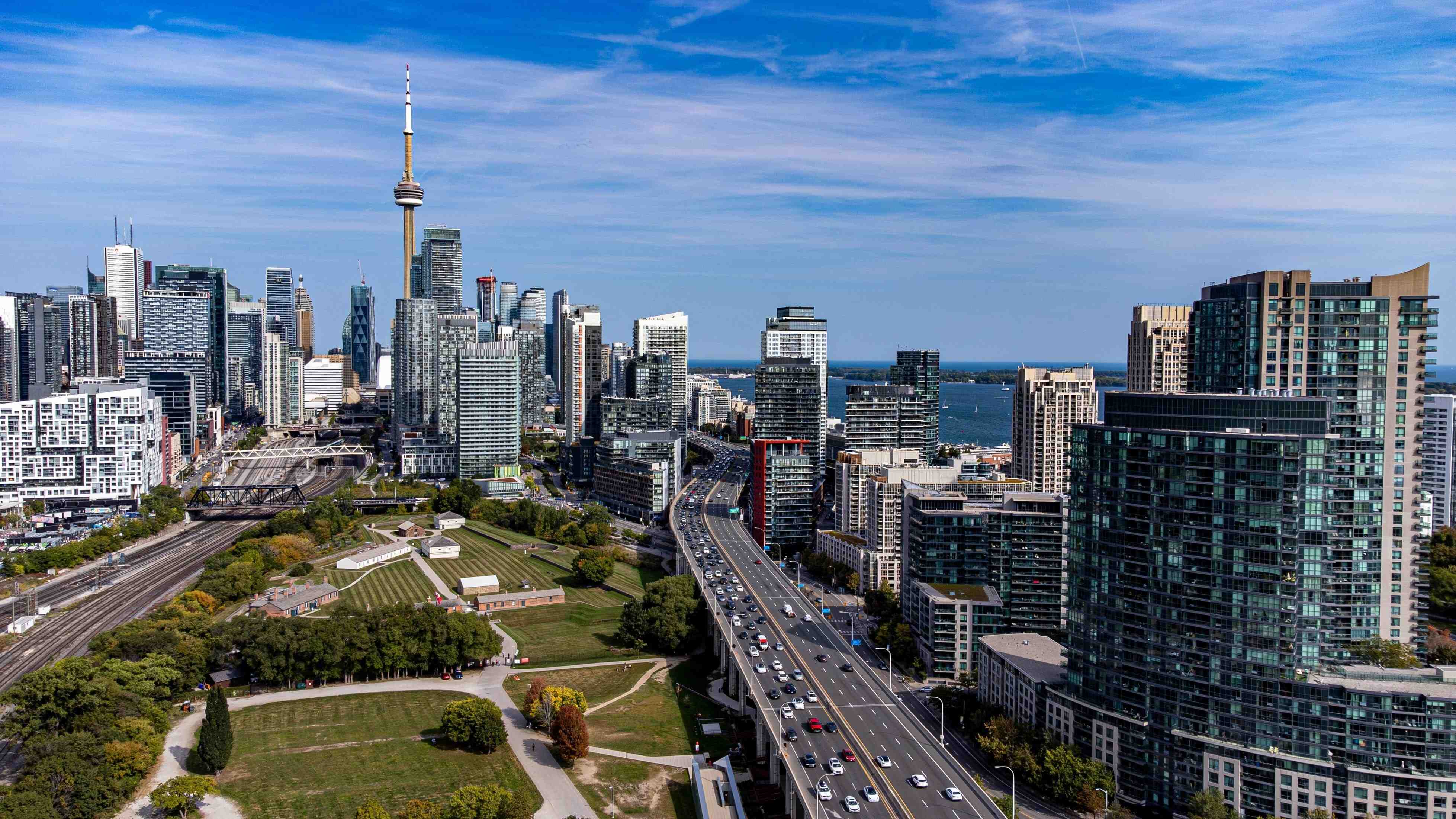
Ask three Toronto drivers what they pay for car insurance and you’ll almost never hear the same number twice.
That’s not because people are misremembering. It’s because Toronto car insurace pricing is built from a long list of inputs that don’t behave evenly across the city. In 2026, some drivers are seeing fairly stable renewals, while others are getting a noticeable jump — sometimes without any changes to their vehicle or driving habits.
The frustrating part is that it can feel personal when it isn’t. A lot of what you pay in Toronto is shaped by what’s happening around you: traffic volume, claims patterns in your area, theft activity, and what it costs to fix vehicles now compared to a few years ago.
If you’re trying to make sense of an average cost, the best approach is to treat “average” as a reference point — then look at the factors that move your number up or down.
What influences car insurance rates in Toronto?
Toronto premiums are shaped by two forces at the same time: your personal risk profile and your environment. You can control some of it. You can’t control all of it.
1) Location matters more than most people want it to
Toronto isn’t one market. It’s dozens of micro-markets stitched together by postal codes.
Insurers track where claims happen most often and where they cost the most to settle. Neighbourhoods with heavier congestion, more frequent collisions, higher theft rates, or higher claim severity tend to produce higher baseline premiums.
You don’t need to live in the downtown core to feel it. Busy corridors, commuter routes, and areas with persistent theft issues can all affect pricing — even if you personally drive carefully and park responsibly.
It’s not a moral judgment. It’s pattern pricing.
2) Your driving record still does the heavy lifting
Your history matters because it’s one of the few pieces of the puzzle that’s genuinely individualized.
Insurers typically look at recent years for:
- tickets and convictions
- at-fault accidents
- frequency of claims
- gaps in insurance history (depending on the company)
A clean record doesn’t always produce dramatic drops, but it often protects you from spikes. Over time, it helps.
One at-fault accident can ripple through multiple renewal cycles. That’s why “clean driving” isn’t just about safety — it’s also about keeping your insurance from becoming unpredictable.
3) The vehicle you drive can quietly raise your premium
People expect sports cars to cost more to insure. What catches Toronto drivers off guard is how often ordinary-looking vehicles end up expensive for other reasons.
Insurers consider:
- theft frequency by model and trim
- how expensive parts are
- how long repairs tend to take
- whether repairs require specialized calibration
- collision severity history
Two vehicles with similar sticker prices can have very different insurance costs. And for Toronto, theft exposure can be a major divider.
If you’re choosing between two models, it’s worth running insurance estimates before committing — not after.
4) Age and experience still show up in pricing
Drivers under 25 usually pay more. That isn’t a Toronto-specific quirk; it’s driven by claim frequency trends that insurers see across the market.
The more experience you build — and the longer you go without claims — the more pricing tends to stabilize. It doesn’t always drop fast, but it usually becomes less volatile.
5) Coverage choices shape the final bill
Ontario requires core coverages, and those are non-negotiable. Where premiums diverge is in the optional pieces and the limits you choose.
The biggest pricing levers here are often:
- collision coverage
- comprehensive coverage
- deductible size
- liability limit amount
- add-ons like rental coverage or accident forgiveness
More protection costs more. Less protection costs less — but it pushes more risk onto you.
For a financed vehicle or a newer car, “full coverage” is often less about peace of mind and more about not being financially exposed to a loss you can’t absorb.
6) Discounts exist, but they don’t apply evenly
Toronto drivers can still access discounts, but they vary by insurer and by individual circumstances. Common ones include:
- bundling home and auto (or tenant and auto)
- claims-free or conviction-free discounts
- winter tire discounts (where offered)
- telematics / usage-based programs
- loyalty discounts
Telematics has expanded over the last few years. For lower-mileage drivers or people with consistent driving patterns, it can help. For others, it won’t move the needle much — or it may not feel worth the trade-off.
Average car insurance cost in Toronto in 2026
The average car insurance cost in Toronto is based on current market ranges commonly cited across Ontario car insurance pricing discussions, Toronto drivers often fall into these broad annual brackets:
- Average driver: roughly $2,200–$3,200 per year
- High-risk drivers: $3,500+ per year
- Young drivers (under 25): often $4,000+ per year
- Experienced, no-claims drivers: roughly $1,800–$2,400 per year
Averages are blunt tools. They’re still useful — but only if you treat them like a weather forecast: directionally helpful, not personally precise.
Two drivers can live on the same street and pay different rates based on mileage, vehicle choice, deductibles, claims history, and how each insurer weighs those factors.
What’s different about 2026?
If you’re hearing “rates are up” and wondering why, the reasons are rarely dramatic on their own. They’re cumulative.
Toronto is still a congestion story
When road space doesn’t expand as fast as population and vehicle volume, minor collisions become more common. Not catastrophic crashes — the low-speed, high-frequency stuff: rear-enders, side-swipes, parking lot incidents, winter fender benders.
Those claims add up across the pool.
Repairs cost more than people realize
Modern vehicles are packed with tech that improves safety — and inflates repair bills.
A minor incident can involve:
- cameras and sensors
- calibration work after repairs
- specialized parts that aren’t interchangeable
- labour that takes longer than it used to
Even when damage looks “small,” invoices often aren’t. As average repair costs rise, the pricing models follow.
Pricing has become more granular
Insurers are using increasingly refined geographic data. In plain terms: pricing may reflect localized claim patterns more precisely than it did a decade ago. That can be good news for some neighbourhoods, and frustrating for others.
How to save on car insurance in Toronto in 2026
Toronto isn’t a “cheap market,” but there are still practical ways to bring premiums down or stop them from creeping upward.
Compare quotes — but compare the coverage too
Shopping around is worth doing, especially if you’ve stayed with one insurer for years. Just make sure you’re comparing like-for-like coverage, not a lower premium that comes from reduced protection.
Raise your deductible if you can genuinely afford it
Moving from a $500 deductible to $1,000 often lowers your premium. The question is whether you’d be comfortable paying that higher deductible after a claim without stress.
Bundle where it makes sense
Bundling can produce meaningful discounts. For Toronto renters, this can mean pairing tenant insurance with auto coverage, not just home and auto.
Consider telematics if your driving habits fit it
If you drive low kilometres, avoid late-night driving, and have smooth driving patterns, usage-based programs may help. If you’re doing constant stop-and-go downtown driving, results may vary.
Protect your driving record like it’s an asset
In Toronto traffic, defensive driving isn’t just a safety choice — it’s a financial one. Tickets and at-fault accidents are expensive long after the moment passes.
Think about insurance cost before buying a car
This is the most overlooked “savings strategy” because it happens before you even start shopping for coverage. Theft exposure and repair severity can make one model far more expensive than another.
Frequently asked questions
1) What is the cheapest car insurance in Toronto?
There isn’t a universal “cheapest” insurer. Rates depend on your neighbourhood, vehicle, driving history, and coverage level. The most affordable option is usually the one that fits your risk profile — and that can change over time.
2) How much is car insurance for new drivers in Toronto in 2026?
For new drivers under 25, it’s common to see annual premiums in the $3,500–$4,500 range, and sometimes higher. The vehicle choice matters a lot here. Adding a young driver to a family policy, taking approved training, or joining a telematics program may help, depending on the insurer.
3) Are there discounts for students or young drivers?
Often, yes — but they’re not automatic. Some insurers offer discounts for full-time students or good academic standing, and many offer telematics programs that can help cautious drivers. The key is to ask what’s actually available for your situation rather than assuming a discount will apply.
4) How does location affect car insurance in Toronto?
Location affects baseline pricing because insurers evaluate collision frequency, theft patterns, and claim severity by area. Higher-density neighbourhoods and high-claim postal codes tend to cost more. Suburban pockets may price lower, but it depends on local trends.
5) Is full coverage worth it in Toronto?
If your vehicle is financed, leased, or newer, collision and comprehensive coverage are often worth the cost because a serious claim could otherwise leave you exposed. For older vehicles with lower market value, some drivers reduce optional coverages to manage premiums — but that’s a risk decision, not just a budget decision.
6) Can switching insurers save money in 2026?
It can. Insurers don’t price risk identically. Reviewing your policy annually and comparing options can uncover savings — especially if your life has changed (new job, new commute pattern, fewer kilometres, different vehicle).
Final thoughts
Toronto car insurance in 2026 is shaped by density, theft exposure, repair inflation, and increasingly fine-grained pricing models. It can feel inconsistent until you see the variables underneath it.
Averages help set expectations. But what really helps is understanding what your insurer is looking at — and what you can adjust without cutting corners on protection.
If you’re comparing policies, a broker like Western Financial Group can help you line up coverage details side-by-side and spot where a cheaper quote is genuinely better — and where it’s simply thinner coverage wearing a lower price tag.