


 13,000+ Reviews | 4.5
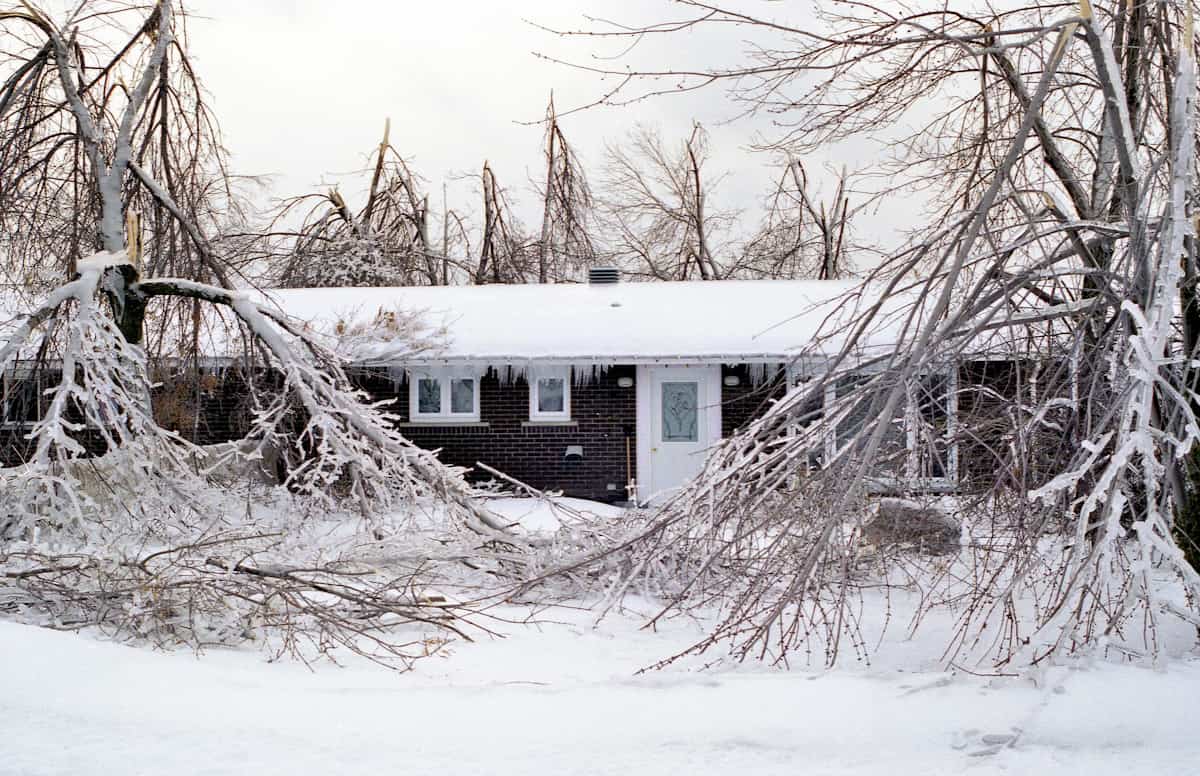
Winter in Ontario can bring heavy snowfall, freezing rain, ice buildup, and strong winds. These severe winter storms can cause significant damage to homes, leaving many homeowners wondering whether their insurance policy will cover the costs.
In most cases, home insurance in Ontario does cover many types of winter storm damage, but the exact protection depends on your policy and the type of damage involved.
What Types of Winter Storm Damage Are Typically Covered?
A standard home insurance policy in Ontario usually covers damage caused by sudden and unexpected weather events, including many winter storm risks.
Commonly covered winter storm damages may include:
Roof damage from heavy snow or ice
Large snow accumulation can weaken or collapse roofs, damage shingles, or cause structural issues.
Wind damage during winter storms
Strong winds during storms can damage siding, roofs, windows, or fences.
Ice dams and water leaks
Ice dams can form when melting snow refreezes at the edge of the roof, potentially forcing water into the home.
Damage from fallen trees or branches
Heavy snow or ice can cause trees to fall onto homes, garages, or other structures.
Coverage may also extend to personal belongings damaged by these events.
What Winter Storm Damage May Not Be Covered?
While many winter storm events are covered, some situations may not be included in a standard policy.
These can include:
Gradual damage or poor maintenance
If damage occurs due to lack of maintenance, such as an aging roof or clogged gutters, insurance may not cover the claim.
Flooding from melting snow
Overland flooding caused by melting snow or ice may require additional coverage.
Sewer backup
Some winter storms can overwhelm municipal drainage systems, but sewer backup coverage is often an optional add-on.
Equipment Breakdown
While the damage from a burst pipe is covered, the cost to repair the actual failed furnace or heat pump usually is not.
Winter Storm Risks in Ontario Cities
Winter storms affect communities across Ontario, but some cities experience higher risk due to heavy snowfall and freezing rain. Homeowners in areas such as Toronto, Ottawa, London, and Hamilton often face challenges related to snow accumulation, ice buildup, and winter windstorms.
According to Canadian weather data, freezing rain events and heavy snowstorms are common across southern Ontario during winter months, increasing the likelihood of property damage claims.
Tips to Prevent Winter Storm Damage
Preventative maintenance can help reduce the risk of costly damage during winter storms.
Homeowners should consider:
- Removing excess snow from roofs when safe
- Keeping gutters and downspouts clear
- Trimming tree branches near the home
- Ensuring proper attic insulation and ventilation
- Sealing windows and doors to prevent drafts and moisture
These steps can help protect your home and may even reduce the likelihood of filing an insurance claim.
When Should You Contact Your Insurance Provider?
If a winter storm damages your home, it’s important to contact your insurance provider as soon as possible. Document the damage with photos, keep records of repairs, and review your policy to understand what coverage applies.
Working with an insurance broker can help ensure you have the right coverage for common winter risks in Ontario.
FAQ: Winter Storm Insurance Coverage in Ontario
Does home insurance cover snow damage in Ontario?
Yes, most standard home insurance policies in Ontario cover damage caused by heavy snow, ice, or wind if the damage is sudden and accidental.
Does home insurance cover roof collapse from snow?
Many policies cover roof damage caused by excessive snow buildup, provided the roof was properly maintained.
Are ice dams covered by home insurance?
Ice dams may be covered if they cause sudden water damage, but coverage can vary depending on the insurer and the circumstances.
Does home insurance cover frozen pipes?
If pipes freeze and burst suddenly, the resulting damage may be covered. However, insurers may deny claims if the home was left unheated or poorly maintained.