


 13,000+ Reviews | 4.5
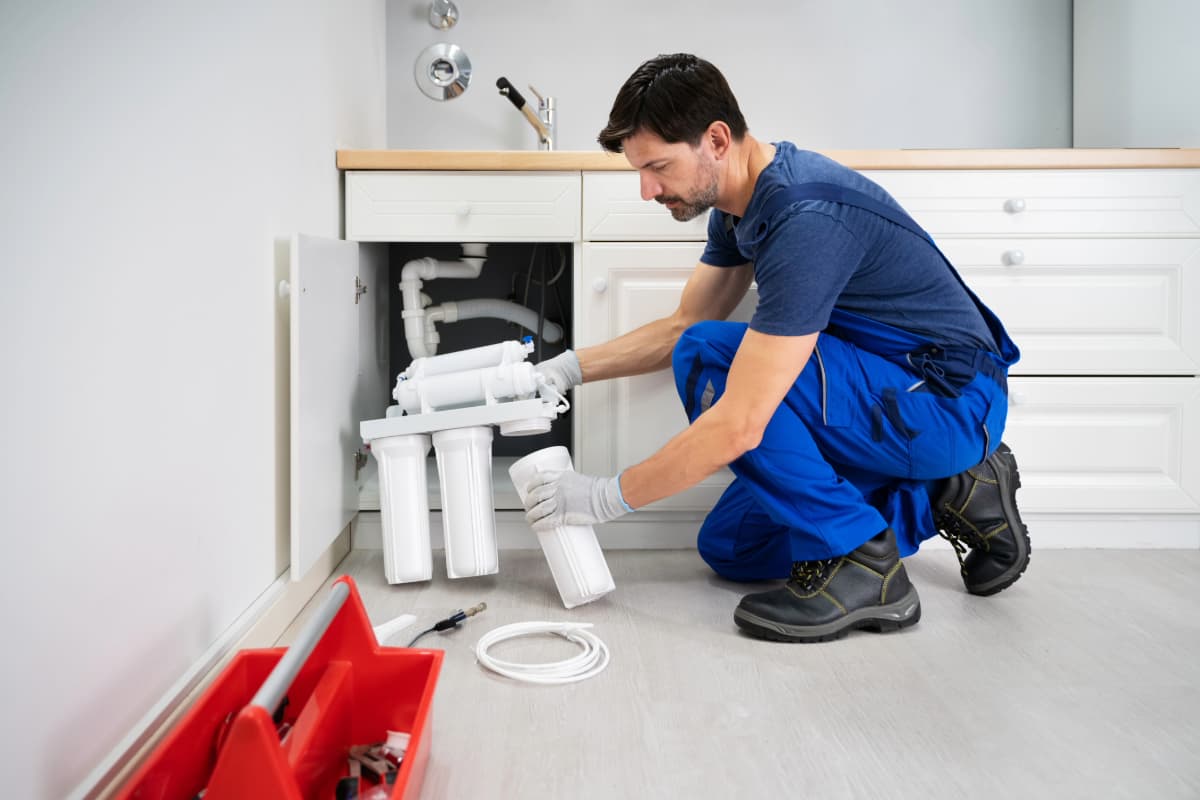
Reverse osmosis (RO) systems are widely used in homes and businesses to improve water quality by removing contaminants, minerals, and impurities. While these systems provide important health and operational benefits, they can also create insurance considerations related to water damage, equipment failure, and liability risks.
Why Reverse Osmosis Systems Matter for Insurance
A reverse osmosis system relies on filters, membranes, tubing, storage tanks, and water pressure to operate effectively. If any component fails, the system may leak, malfunction, or contaminate water supplies, potentially resulting in costly property damage or business interruptions.
Because of these risks, insurers often evaluate RO systems as part of broader plumbing, equipment, or operational exposures.
Home Insurance and Water Damage Risks
For homeowners, the biggest insurance concern involving reverse osmosis systems is water damage. A leaking connection cracked filter housing, or failed water line can damage cabinets, flooring, drywall, and nearby appliances.
In many cases, a homeowners insurance policy may cover sudden and accidental water damage caused by an RO system. However, coverage can vary depending on:
- Whether the system was properly installed
- Maintenance history
- The age and condition of the unit
- Whether the damage occurred gradually over time
Some insurers may deny claims related to neglect or poor maintenance.
Insurance Coverage for RO Leaks
- Sudden vs. gradual damage: Homeowners insurance generally covers sudden and accidental water damage, such as a cracked housing unit or burst plastic tubing. However, damage caused by slow leaks, long-term seepage, or poor maintenance is typically excluded from coverage.
- Wear and tear: Over time, reverse osmosis system components may deteriorate or become brittle with age. Most standard insurance policies do not cover the cost of replacing worn-out equipment, though they may cover resulting property damage.
- Self-installation considerations: Insurers do not usually deny claims solely because a homeowner installed the RO system themselves. However, self-installation can sometimes complicate liability investigations or recovery efforts if a product defect contributed to the loss.
Commercial Insurance Considerations
Businesses that rely on reverse osmosis systems, including restaurants, breweries, laboratories, medical clinics, and manufacturing facilities, often face larger operational risks.
Commercial insurance policies may help protect against:
- Property damage from leaks or flooding
- Equipment breakdown
- Business interruption losses
- Contaminated product or water supply issues
- Third-party liability claims
For example, if an RO system fails in a café and damages inventory or forces temporary closure, commercial property or business interruption insurance may help cover losses.
Product Liability for Manufacturers and Installers
Companies that manufacture, distribute, or install reverse osmosis systems may also require product liability insurance.
Potential claims can arise from:
- Defective components
- Improper installation
- Water contamination
- Pressure-related failures
- Property damage caused by leaks
Plumbers and water-treatment contractors commonly carry general liability insurance and professional liability coverage to protect against installation-related claims.
For businesses operating in the water treatment industry, specialized liability coverage is often essential:
- Product liability insurance: Helps protect manufacturers and installers against claims arising from system failures that result in water contamination or property damage.
- Professional liability insurance: Also known as Errors & Omissions (E&O) coverage, this protects contractors against claims related to improper installation, servicing, or maintenance.
- Pollution liability insurance: Provides coverage for environmental cleanup costs and related claims, such as mold remediation or improper disposal of treatment chemicals linked to a water system installation.
Common insurance claims for reverse osmosis failures
Common insurance claims involving reverse osmosis (RO) system failures typically fall under water damage or product liability rather than “appliance breakdown” coverage.
Typical water damage claims include:
- RO tanks or water lines bursting, leading to flooding in floors, cabinets, walls, or nearby areas, often due to aging plastic components becoming brittle over time.
- Leaks from fittings, valves, or under-sink housings that result in gradual or sudden water escape beneath sinks or in utility spaces.
- Water seepage beneath the system that spreads into subfloors, drywall, or finished surfaces, potentially causing mold growth or structural damage if not addressed quickly.
In many cases, home or commercial property insurance may cover the resulting water damage if it is sudden and accidental. However, the RO system itself is usually not covered for repair or replacement when the failure is due to normal wear and tear or lack of maintenance.
Reducing Risk with Proper Maintenance
Routine maintenance plays an important role in preventing insurance claims involving RO systems. Property owners should:
- Replace filters and membranes regularly
- Inspect fittings and tubing for leaks
- Use professional installation services
- Monitor water pressure
- Follow manufacturer maintenance guidelines
Documented maintenance records may also help support insurance claims if damage occurs.