


 13,000+ Reviews | 4.5
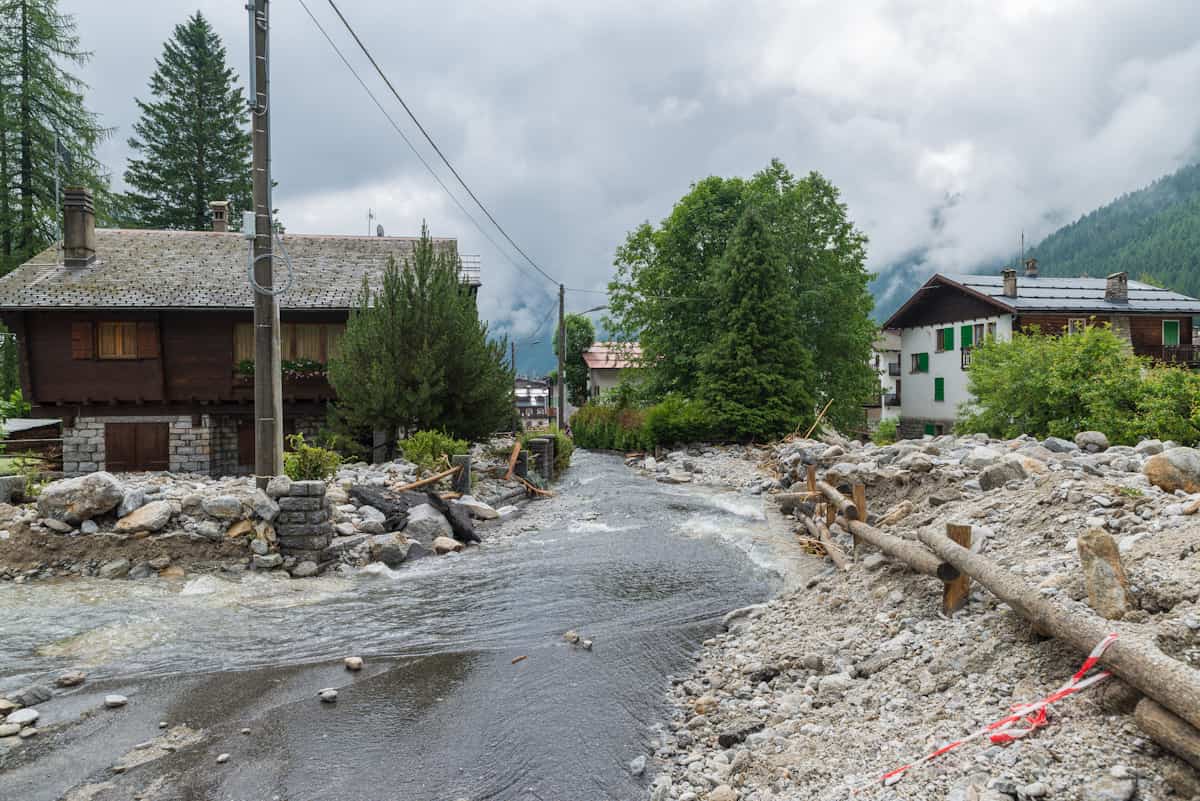
British Columbia’s dramatic landscapes, from coastal mountains to valley slopes, make it one of Canada’s most naturally beautiful provinces. But that beauty also comes with increased risk: landslides, particularly after heavy rain, rapid snowmelt, or seismic activity. As more homeowners in British Columbia build in hillside communities and flood‑prone areas, do you know if your home is covered for landslide damage?
While standard Home Insurance in British Columbia typically covers sudden and accidental damage, landslide insurance is generally not available through standard home insurance policies.
This article explains how landslide risk affects your home insurance and what homeowners in cities like Vancouver, Victoria, and Kelowna should know before a claim.
Do Standard Home Insurance Policies Cover Landslides?
In most cases, standard home insurance policies in British Columbia do not automatically include coverage for landslides or earth movement. These events are considered “excluded perils” in many policy wordings unless you specifically purchase additional protection.
Typical policies will cover:
- Fire
- Explosion
- Windstorms
- Theft
- Sudden water damage (depending on the cause)
However, when it comes to earth movement perils, such as landslides, mudslides, or earth cracking, coverage depends on the insurer and the policy language.
When Landslide Coverage May Apply
Some insurers offer optional endorsements or riders that provide additional protection for landslide or earth movement:
Earthquake & Earth Movement Riders
These add‑on coverages may protect against landslides triggered by:
- Earthquakes
- Seismic activity
- Earth shifting after heavy rain
Slope & Mudslide Coverage
Special endorsements may extend coverage to landslides and mudslides, but they must be bought before any damage occurs.
If you live in hillside neighbourhoods of Greater Vancouver, the Fraser Valley, or the Okanagan, these add‑ons are worth considering.
Why Landslide Risk Is Increasing in BC
Climate and terrain both drive landslide risk in British Columbia:
- Heavy rainfall events have become more frequent, especially in southern BC.
- Rapid snowmelt in the spring can saturate soils and destabilize slopes.
- Wildfires destabilize soils, increasing the likelihood of post‑fire landslides.
- Steep topography in places like Vancouver’s North Shore, Whistler, Squamish, and the Fraser Valley makes landslides more common.
These environmental factors make landslide awareness critical for homeowners across the province.
What Homeowners Should Do
1. Review Your Policy Carefully
Read your home insurance wording to see if it excludes “earth movement,” “landslides,” or “mudslides.” If these perils are excluded, ask your insurer about optional coverage.
2. Consider Additional Endorsements
Talk to your insurance broker about:
- Earthquake insurance
- Landslide or mudslide riders
- Water‑related endorsements
These can help close coverage gaps.
3. Mitigate Risk Around Your Property
You may reduce hazard potential and possibly premiums by:
- Improving drainage around foundations
- Stabilizing slopes with retaining walls
- Planting vegetation to reduce soil erosion
FAQ: Landslide Insurance in British Columbia
Does standard home insurance cover landslides?
Usually not. Standard policies often exclude earth movement unless additional coverage is added.
Is landslide damage the same as earthquake damage?
Not always. Earthquake coverage may protect against seismic landslides, but rain‑induced landslides often require a separate earth movement endorsement.
Should I add landslide coverage if I live in Vancouver or Kelowna?
If your property is on or near slopes, or in an area prone to heavy rainfall or snowmelt, adding landslide or earth movement coverage is often recommended.
Landslides are a growing concern for homeowners in British Columbia, especially in areas with steep terrain and intense precipitation. Understanding your home insurance policy and whether you need additional landslide or earth movement coverage can protect you from unexpected losses.
The Government of British Columbia offers Disaster Financial Assistance (DFA) to help residents recover from sudden, unexpected, and uninsurable losses caused by disasters such as flooding, landslides, or other emergency events. DFA can provide financial support for essential recovery needs like building repairs, cleanup, and replacement of essential personal effects when insurance doesn’t cover the loss. Applicants must demonstrate that damage is uninsurable under private insurance and meet eligibility criteria set by the program.