


 13,000+ Reviews | 4.5
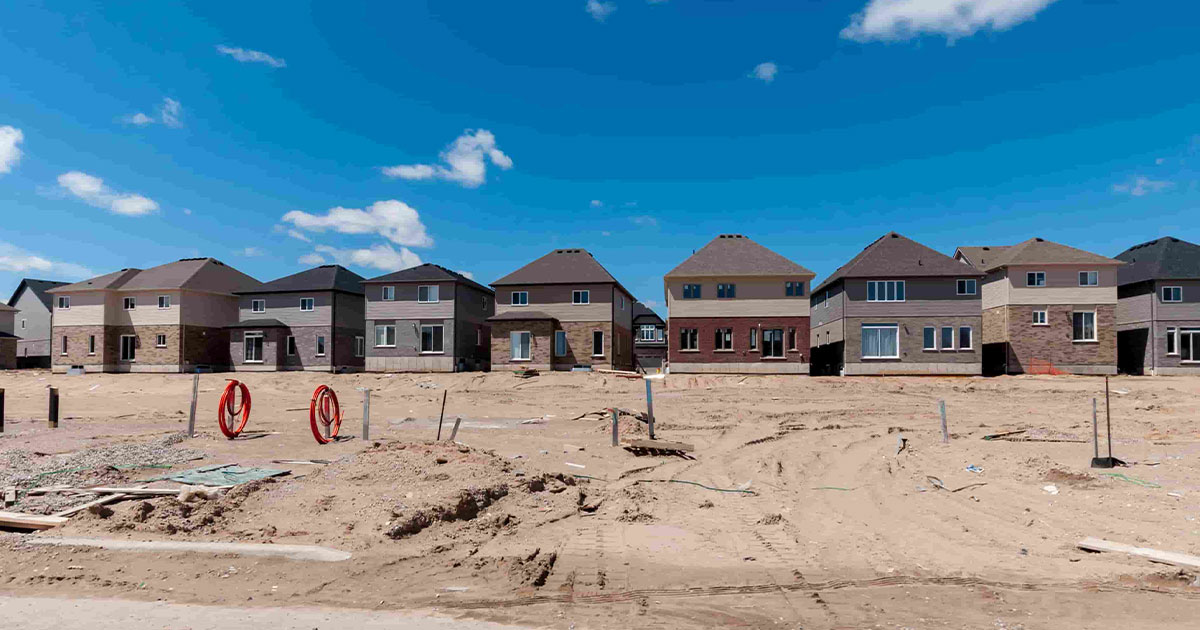
If you have taken a look at your home insurance renewal lately, you might have paused a bit. The numbers in Ontario are moving again, not dramatically in every case, but enough that people are starting to wonder what changed. Even homeowners who take good care of their places and have never made a claim are seeing higher totals. Part of it comes down to the weather patterns we have been getting. Part of it is the cost of materials and labour. And part of it is simply the weight of several years of water related claims that the system is still trying to process.
There is also something quieter going on. The cost of rebuilding a home in Ontario has climbed faster than many anticipated. A repair that used to be manageable now eats an entire budget. A roof or foundation job that would have taken months to plan now costs more than what major renovations used to run. When you stack that alongside heavier rainfall and faster snowmelt, it starts to explain why premiums look different even if the house itself has not changed at all.

Average home insurance costs in Ontario 2026
It is tricky to pin down a single number that captures the whole province since the spread is wide. Most homeowners are falling somewhere around the 1,400 to 2,400 dollar mark for the year, with a few areas drifting outside that range. Condos can fall below it depending on how the building handles its shared insurance. What usually matters more than anything else is the age of the home, how it drains, and where it sits in the neighbourhood.
Here is a rough sense of how different regions are trending
• Toronto: Often near the higher end of the range. Dense neighbourhoods, higher rebuild costs, and older housing stock in parts of the city can push premiums up. Areas with aging sewer systems or a history of basement flooding—especially after heavy rainfall—may see higher rates, while newer developments with modern drainage tend to land more favourably.
• Ottawa: Typically sits in the mid-range for Ottawa home insurance, but homes near the Ottawa or Rideau rivers, older neighbourhoods with aging sewer systems, and areas prone to spring snowmelt or heavy rainfall can see higher premiums
• Mississauga: A real mix. Newer areas tend to land well. Older pockets with flood histories tend to sit higher.
• Hamilton: A range from moderate to slightly higher depending on neighbourhood elevation and the age of the housing stock.
• London: Mostly mid range, with some neighbourhoods more sensitive to basement water issues and severe storms.
You can have two homes that look almost identical on the outside, yet their insurance costs are nowhere near each other. Old drainage systems, the slope of the lot, the age of the wiring, and even the claim history of a few neighbours can shift things. The averages help, but they are only a small part of the overall picture.
Key trends impacting insurance premiums
A handful of forces have been nudging Ontario home insurance rates. None of them are shocking on their own, but together they start to make a noticeable difference.
Climate change and severe weather
Ontario has had a long run of heavy downpours, windstorms, and rapid freeze thaw cycles. These do not need to hit every city to have an impact. A cluster of major claims in one area can shift the insurance pool far beyond that community.
Reinsurance cost increases
Insurers in Canada rely on global reinsurance to manage large scale risk. As major weather events around the world have grown more expensive, reinsurance costs have followed. Eventually those higher costs reach the homeowner.
Construction and inflation pressures
Plywood, drywall, skilled labour, plumbing materials, electrical work, everything costs more than it did a few years ago. Even a small repair can turn into a major job once labour and scarcity come into play. When rebuild values rise, premiums usually move with them.
Underinsurance and updated risk profiles
Some Ontario homes were insured at rebuild values that no longer reflect current costs. When insurers update those numbers, premiums can jump even if nothing has physically changed about the home.
Water damage has become especially influential in Ontario. It is one of the fastest growing and most expensive types of claims, which is one reason the province has felt more pressure than others.
Tips to save on home insurance in Ontario
There is no perfect strategy for controlling a home insurance bill, but a few practical adjustments can help keep things in check
- Shop around once a year. Different insurers see the same home in different ways, so it is always worth comparing.
• Adjust your deductible. A higher deductible usually lowers the yearly premium, provided it still feels manageable.
• Install loss prevention systems. Water sensors, sump pumps, backwater valves, and monitored alarms tend to make an insurer more comfortable.
• Bundle home and auto. Still one of the easiest ways to reduce overall premiums.
• Pay annually instead of monthly. This avoids extra fees and helps shrink the total cost.
• Protect a claims free record. Filing smaller claims can cost more over time than handling straightforward fixes yourself.
• Invest in upgrades. Better drainage, updated plumbing, improved roofing, and backup power options can help stabilize premiums.
Special Ontario considerations
Homeowners in Ontario face a few unique considerations that do not show up in quite the same way in other provinces.
Overland flood and sewer backup
These two coverages are not always included in standard home insurance policies. They are particularly relevant in parts of Ontario that sit near rivers or have older infrastructure. Even homes that appear to be on higher ground sometimes discover issues during extreme weather.
Replacement cost versus market value
Insurance is based on what it costs to rebuild the home, not what the real estate market says it is worth. In some Ontario cities, the cost to rebuild has surpassed market pricing, which can catch people by surprise.
Basement flood exposure
Ontario has a wide range of soil types, drainage systems, and neighbourhood elevations. Two streets over, the risk can be completely different. A home with a history of seepage or inadequate drainage may see premiums shift.
Older homes and electrical systems
Many Ontario neighbourhoods were built decades ago. Wiring, plumbing, and other systems might not align with modern standards. Upgrades can reduce risk and sometimes improve premium stability.
Annual policy reviews
A yearly check is usually enough to make sure coverage still fits the home. Rebuild values, discounts, and local conditions change. It is better to adjust before something happens rather than after.
2026 outlook
Early signs suggest that rates will continue rising gradually into 2026. Some increases may be modest. Others might be more noticeable depending on local weather patterns and construction costs. The province is dealing with heavier rain, more freeze thaw cycles, and a long tail of water related claims, all of which influence the direction of premiums.
Even with all of that, homeowners still have influence over their own outcomes. Maintenance, thoughtful upgrades, water prevention tools, and comparing the market can all help. In a province where winter and spring sometimes feel like they blend together, managing the home and the policy side by side goes a long way.
Conclusion
Home insurance in Ontario has been moving upward alongside construction costs and the growing impact of severe weather. The 2026 averages reflect that reality especially in neighbourhoods dealing with repeated flooding or aging infrastructure. While homeowners cannot control the broader forces shaping the market, they can still personalize their coverage, manage costs where possible, and keep their policies aligned with what their homes truly need. A brief yearly review can help prevent surprises when renewal time comes around.
Get a Business Quote
Western Financial Group, a 100 percent Canadian company, can help you navigate business, car, and home insurance during this period of economic uncertainty.