


 13,000+ Reviews | 4.5
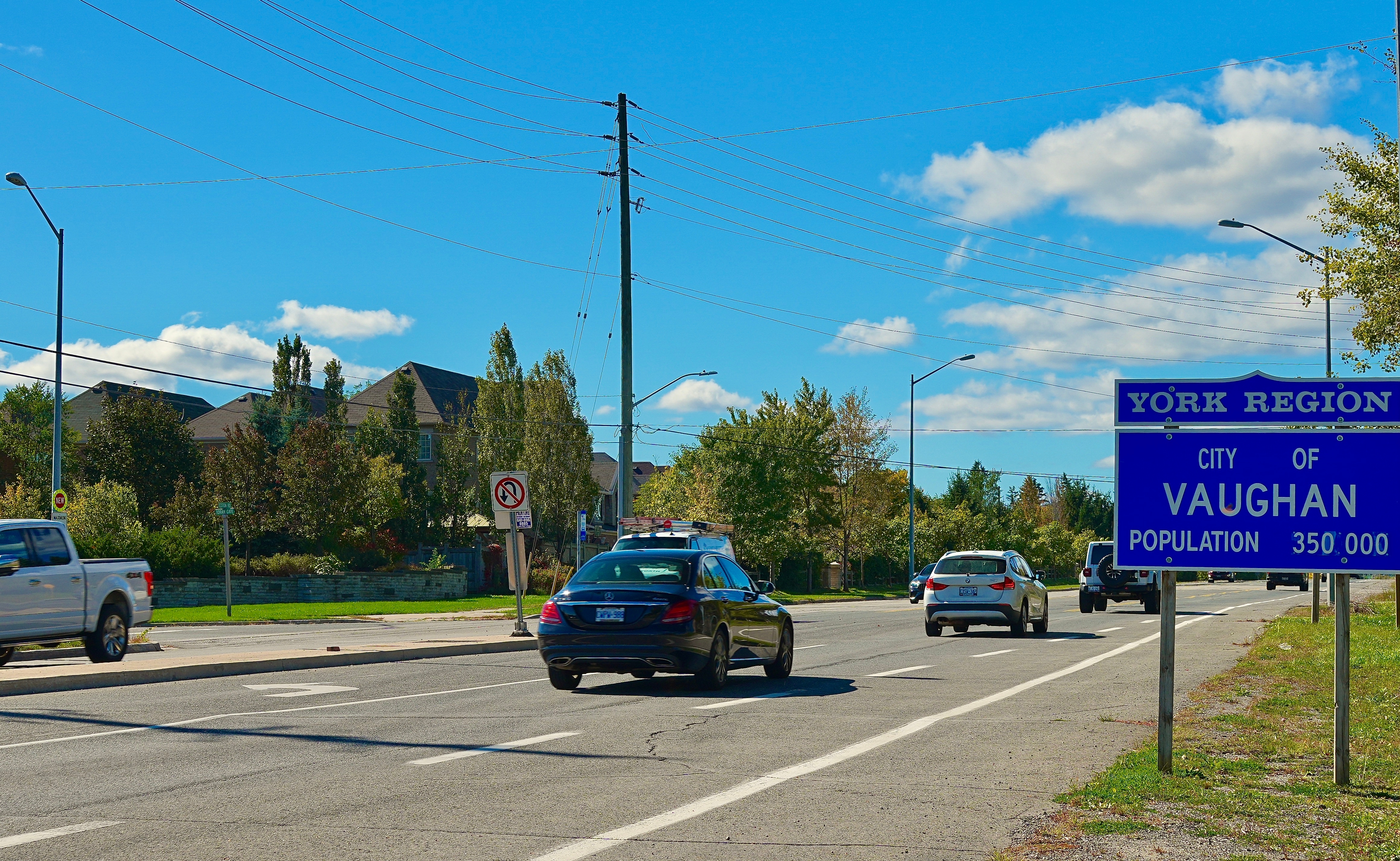
Anyone shopping for car insurance in Vaughan right now has probably noticed the same thing: premiums don’t sit still for long.
One renewal climbs. Another barely moves. A neighbour with a similar SUV mentions paying something completely different. It can feel arbitrary — until you step back and look at what’s actually feeding into the numbers.
Vaughan isn’t just a mid-sized Ontario city anymore. It sits inside one of the fastest-growing corridors in the Greater Toronto Area. Population growth, expanded commuting routes, new subdivisions, warehouse development, and increasing traffic volume have all shifted the risk landscape. Insurance pricing models don’t ignore that kind of change. They adjust to it.
What drivers are seeing in 2026 isn’t randomness. It’s recalibration.
Geography Still Matters More Than Drivers Like to Admit
Insurance works by pooling risk. Insurers don’t price one driver in isolation — they price patterns.
Urban density tends to correlate with:
- Higher collision frequency
- Greater traffic congestion
- More complex, multi-vehicle claims
- Increased exposure to auto theft
Vaughan’s growth has meant more vehicles on the road, more commuter traffic connecting into Toronto, and more construction zones and delivery traffic cutting through residential areas. Even small increases in minor collisions — the low-speed rear-end incidents and parking lot scrapes — accumulate across thousands of policies.
Even with a clean driving record, your postal code influences your baseline rate. That doesn’t mean insurers assume you’re a risky driver. It means they measure the statistical environment around you.
It’s not personal. It’s actuarial.
Theft Has Become More Model-Specific
Auto theft remains one of the most significant pricing pressures across the GTA, and Vaughan is not immune.
What’s changed in recent years is precision. Insurers no longer treat theft as a broad regional problem. They analyze it by:
- Specific vehicle make and trim
- Frequency of export-targeted models
- Factory-installed immobilizers and security features
- Presence of tracking systems
- Overnight parking conditions (garage vs. driveway vs. street)
- Localized neighbourhood claim history
Some vehicles appear repeatedly on high-theft lists. That history translates directly into premium differences. Two SUVs with similar retail prices can carry very different insurance costs because one has been disproportionately targeted.
This rarely comes up at the dealership. Buyers focus on financing rates and fuel efficiency. Insurance often enters the conversation after purchase — when it’s too late to reconsider the model.
In 2026, checking a vehicle’s insurance impact before signing paperwork is no longer excessive caution. It’s practical.
The Cost of “Safer” Cars
Modern vehicles are safer than they were a decade ago. Advanced driver-assistance systems — lane-keeping support, blind-spot monitoring, automatic emergency braking — genuinely reduce severe accidents.
But when collisions do occur, repairs are more expensive.
A minor bumper impact may now involve:
- Replacing sensor housings
- Recalibrating cameras
- Diagnosing software systems
- Ordering specialized parts
- Additional labour hours
Even cosmetic damage can require electronic recalibration. That increases claim severity.
Higher repair costs contribute to:
- Larger average claim payouts
- More detailed underwriting analysis
- Gradual upward pressure on premiums
In higher-density areas like Vaughan, where minor collisions are statistically more common, those repair expenses compound across the insured pool.
Safer roads don’t automatically mean cheaper repairs.
Telematics Is Quietly Changing Pricing
Usage-based insurance programs have moved beyond pilot projects. Many insurers now offer telematics options that monitor driving behaviour through smartphone apps or plug-in devices.
These programs typically evaluate:
- Braking patterns
- Acceleration consistency
- Time of day driven
- Annual mileage
For lower-mileage drivers, remote workers, or cautious commuters, discounts can be meaningful over time. The appeal is straightforward: demonstrate lower risk through behaviour and receive pricing that reflects it.
For others, the trade-off feels less appealing. Not everyone wants their driving monitored, even if the potential savings are there.
Still, telematics is no longer niche. In 2026, it’s a structural part of how some insurers differentiate lower-risk drivers in dense markets like Vaughan.
2026 Is Also a Data Year
Insurance pricing is becoming more granular. Instead of broad citywide averages, models increasingly reflect hyper-local trends.
Two drivers living only a few kilometres apart may see rate differences tied to:
- Local collision frequency
- Theft clustering
- Claim severity patterns
- Rental car cost trends
At the same time, broader economic factors continue to influence premiums. Labour costs remain elevated. Parts pricing has not returned to pre-pandemic levels. Supply chain variability still affects repair timelines. Rental vehicle expenses, when provided during claims, also factor into insurer costs.
These pressures don’t create sudden spikes. They create incremental adjustments that show up at renewal time.
For drivers, it can feel like steady upward drift — even without personal claims.
What Still Depends on You
While regional trends set the framework, individual factors still matter.
Insurers weigh:
- Driving record
- Prior claims
- Years licensed
- Vehicle type and trim
- Annual mileage
- Coverage limits and deductibles
- Credit-based insurance scoring (where permitted in Ontario underwriting practices)
Small adjustments can influence premiums.
Increasing a deductible from $500 to $1,000 can reduce monthly costs — though it raises out-of-pocket exposure in the event of a claim. Choosing a lower-risk vehicle model can stabilize rates long term. Maintaining a claims-free history protects renewal pricing more than many drivers realize.
There isn’t a single lever that dramatically cuts premiums in Vaughan. But incremental decisions add up.
Insurance pricing responds to patterns. So does cost control.
Required Coverage — and Why Many Drivers Add More
Ontario law requires:
- Third-party liability
- Accident benefits
- Direct Compensation – Property Damage (DC-PD)
- Uninsured automobile coverage
That’s the baseline.
In Vaughan’s traffic environment, many drivers opt for additional protection — especially if their vehicle is financed or newer.
Comprehensive coverage protects against theft, vandalism, hail, and fire. Given regional theft exposure, this coverage is commonly selected.
Collision coverage pays for repairs to your vehicle after an accident, regardless of fault. For vehicles with higher market value, the cost of going without it can be significant.
Optional additions such as:
- Accident forgiveness
- Loss-of-use coverage (rental reimbursement)
don’t drastically alter base premiums, but they can prevent financial disruption after a claim.
It’s less about buying “extra” coverage and more about stabilizing financial risk.
The Takeaway
- Car insurance rates in Vaughan in 2026 reflect growth, density, theft patterns, rising repair costs, and increasingly sophisticated pricing models.
- They are not arbitrary — even if they feel unpredictable at renewal time.
- Drivers who understand how vehicle choice, telematics participation, deductible adjustments, and neighbourhood risk factor into pricing are better positioned to make informed decisions.
In a city that continues expanding, awareness becomes part of cost management.
Insurance may not be static — but understanding the variables gives drivers more control than they think.