

 13,000+ Reviews | 4.5
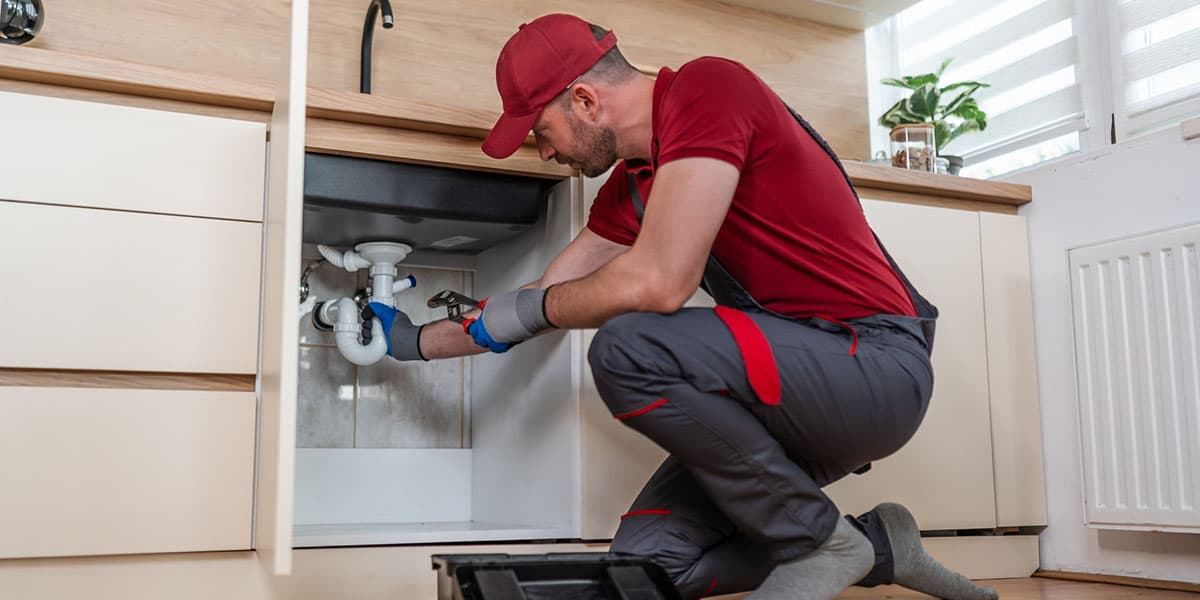
For Ontario electricians, plumbers, and HVAC contractors, a full calendar is a good thing, until an unexpected problem puts the next job on hold. There are parts to collect, customers waiting for updates, and a service vehicle that rarely stays parked for long. If you’re comparing Contractors Insurance Ontario options, the goal is to protect more than your tools. It’s about understanding what could affect your customers, interrupt your schedule, and put pressure on the business behind your trade.
An electrician upgrading panels in Ottawa, a plumber servicing apartment buildings in Hamilton, and an HVAC crew installing heat pumps in London may share a supplier or cross paths on a renovation. Their insurance needs won’t be identical. Where you work, the systems you handle, and the responsibilities you accept all help shape the protection worth discussing with your broker.
Know what liability insurance does, and where it stops
Commercial general liability insurance may help respond to covered claims alleging your business caused bodily injury or property damage to someone else. That might involve accidental damage at a customer’s premises or an injury connected to your operations. Depending on the policy, protection can include legal defence costs and eligible damages. It’s an important starting point, but it doesn’t insure every problem that can arise on a job.
The cost of correcting your own faulty work can be treated differently from resulting damage to other property. Damage to the part of a building you’re working on, equipment in your care, and claims arising after a project is finished also deserve attention. Ask your broker to explain completed operations coverage and relevant exclusions. A completed job doesn’t necessarily mean your exposure has ended.
For electricians, the details behind the panel matter
When researching Electrician Insurance Ontario coverage, describe the full range of your work. Residential service calls, commercial fit-outs, industrial controls, and renewable energy installations can involve different exposures. A business that has expanded from routine repairs into larger installations should review that change before the new projects begin, rather than assuming last year’s policy still fits.
Consider an electrical contractor completing an installation at a small commercial property. If a later fire leads to allegations about that work, the claim could extend well beyond replacing a component. Whether insurance responds depends on the facts and policy wording. Ontario’s Electrical Safety Authority (ESA) requires electrical contractor licence applicants to carry at least $2 million in public liability and property damage insurance. Meeting that requirement is a starting point, not a guarantee that the limit is sufficient for every project.
For plumbers, a small leak can reach a long way
Water doesn’t always stay close to the source of a problem. A leak in an upper-floor unit can affect ceilings, flooring, and neighbouring suites before anyone notices. For plumbers working in occupied homes or multi-unit buildings, the surroundings matter as much as the size of the repair. A modest invoice can sit alongside a much larger potential property damage claim.
When comparing Plumbers Insurance Ontario options, ask about water damage arising from your work, completed operations, and activities such as excavation or hot work if you perform them. Drain cleaning, new construction, and commercial system installation should be described accurately. Gradual damage, mould, and pollution can raise separate coverage issues. Don’t assume a general description of plumbing services captures everything your business does.
For HVAC contractors, coverage should follow the whole system
Heating, ventilation, and air conditioning work can bring electrical components, refrigerants, water, and customer equipment into the same job. A crew replacing a rooftop unit has different exposures from a technician carrying out routine maintenance in a basement. Installation, servicing, system design, and commercial refrigeration should all be part of the insurance discussion if they’re services you offer.
Picture an HVAC contractor in Kitchener finishing an installation, only to face a later allegation that a drainage issue damaged the customer’s building. The resulting property damage and the cost of correcting the installation may be treated differently. When reviewing HVAC Contractors Insurance Ontario coverage, ask about completed operations, equipment being installed, and any pollution exposures. Professional liability may also be worth discussing if your business provides design or technical advice.
Your tools travel, and your protection should account for that
A service van can hold years of investment: diagnostic instruments, power tools, specialty equipment, and the everyday items that make a job possible. Tools and equipment coverage may help with covered theft or damage, but limits and conditions matter. Ask about protection in transit, at temporary job sites, and in an unattended vehicle, along with any single-item limits for expensive equipment.
Keep an inventory with current values, serial numbers, and purchase records where available. Include rented equipment and materials awaiting installation in the conversation, since they may need different protection. Your vehicle policy needs a separate review, too. Tell your broker who drives, how the vehicle is used, and what it carries. Insuring the van doesn’t automatically mean its entire contents are covered, and personal auto insurance may not fit your business use.
Check the paperwork before the next project starts
A property manager or general contractor may require specific liability limits, additional insured status, and evidence of coverage before you arrive on site. Send those requirements to your broker before signing or starting work. A certificate of insurance provides evidence of coverage; it doesn’t change the policy or make every promise in a contract insurable. Legal advice may be needed for obligations that go beyond insurance.
Workplace Safety and Insurance Board (WSIB) coverage is another part of the picture, separate from commercial liability insurance. Many Ontario construction businesses must register even when they don’t have employees, although specific exemptions apply. A home renovation exemption for an owner doesn’t automatically remove the obligation to cover employees. Confirm your situation directly with the WSIB, particularly if you move between homeowner contracts and subcontracting work. If you hire other contractors, ask about the clearance and insurance documents required for the project.
Build coverage around the business you’re running now
Business Insurance Ontario options can extend beyond liability, vehicles, and tools. If you keep stock in a shop or rent workspace, commercial property coverage matters. Business interruption insurance may help with eligible income loss and continuing expenses after a covered event, subject to its terms. A client’s postponed renovation or a general slowdown in bookings isn’t automatically an insured interruption.
As your business grows, bring updated revenue, payroll, subcontractor details, equipment values, and service descriptions to your broker. These details, along with claims history, limits, and deductibles, can affect pricing and available coverage. Compare what each quote protects rather than simply the premium. Taking on commercial projects, adding a crew, or offering a new specialty are good reasons to review insurance before renewal comes around.
Advice for your trade, with a commitment to community
You know your trade. Your insurance broker should take the time to understand the business behind it. Western Financial Group helps contractors compare options from multiple insurers and make sense of their coverage. Western’s recognition includes Insurance Business Review’s Top Business Insurance Broker in Canada 2026 and a place among Insurance Business Canada’s Top Insurance Employers for 2025. Western also holds an A+ rating from the Better Business Bureau (BBB). The conversation starts with clear advice tailored to the work you do.
That connection extends through the Western Communities Foundation, Western’s charitable arm. Its community infrastructure program has invested more than $2.6 million in over 540 initiatives across Canada, helping create and improve shared spaces. Electricians, plumbers, and HVAC contractors understand how much work goes into making a building welcoming and usable. The Foundation’s support for stronger community spaces reflects a commitment to the places where customers live and work.
Before your next project or renewal, bring your questions, contracts, and current business details to a Western business insurance broker. Visit Western Financial Group’s Contractor Insurance page to learn more. Whether you work alone or manage several crews, a useful insurance conversation starts with what your day actually looks like and what you need to keep moving.
Frequently asked questions
What insurance should Ontario electricians, plumbers, and HVAC contractors consider?
Common considerations include commercial general liability, completed operations, tools and equipment, and commercial auto coverage. Property, business interruption, professional liability, or pollution coverage may also be relevant. Your services, work locations, and contracts help determine the right combination.
How much liability insurance does an Ontario electrical contractor need?
The ESA requires at least $2 million in public liability and property damage insurance for an electrical contractor licence. Your projects or contracts may call for higher limits. Review both the licensing requirement and the potential size of a claim with your broker.
Does liability insurance pay to fix faulty work?
Not automatically. The cost of correcting defective work can be excluded, while resulting injury or damage to other property may raise a different coverage question. Completed operations coverage, exclusions, and the circumstances of the claim all matter. Ask your broker to explain the distinction.
Are tools covered if they’re stolen from my service van?
They may be if appropriate tools and equipment coverage is in place and the loss meets its conditions. Check theft limits, deductibles, unattended-vehicle requirements, and protection for rented equipment. Your auto policy alone may not insure the tools inside the vehicle.
Do I need WSIB coverage if I work on my own?
Possibly. Ontario’s compulsory construction coverage can apply to independent operators and business owners without employees. Specific exemptions exist, including qualifying home renovation work hired and paid for directly by the homeowner or resident. Confirm your status with the WSIB; commercial liability insurance doesn’t replace required workplace coverage.