
 13,000+ Reviews | 4.5
Before you agree to a welding job, there’s more to consider than materials, measurements and when the client needs it finished. Where you’ll work, what you’ll be welding and whose property is nearby can all affect your insurance needs. If you’re comparing Welders Insurance, start with the jobs you actually take on. The protection that suits a small fabrication shop may look different from what a mobile welder needs on a construction site or at an industrial facility.
You’ve invested time in your trade, built relationships and put money into equipment that earns its keep every day. Insurance is part of protecting that work. A conversation before you accept a project can help you understand what’s covered, what needs a closer look and whether a client is asking you to take on responsibilities your current policy wasn’t arranged to cover.
Start with the job, not just your trade
Repairing farm equipment, fabricating railings and working on structural steel can all involve welding, but they don’t present identical insurance questions. Your broker needs to know whether you work in a shop, travel to customer sites, hire subcontractors or take on specialized projects. Mention occasional work, too. A service you offer only a few times a year can still matter when an insurer reviews your operations.
Think of a customer who calls about a straightforward repair, then asks you to handle an additional component once you arrive. That change may affect more than your estimate. Before expanding into unfamiliar work, check whether your policy covers the activity and location. Welders Insurance isn’t a single standard policy that automatically follows every opportunity; it’s usually a combination of coverages selected for your business.
Understand what liability insurance can cover
Commercial general liability insurance is an important starting point for many welding businesses. It may help respond to covered claims alleging that your operations caused bodily injury or property damage to someone else, including eligible legal defence costs. For example, a claim involving damage to nearby customer property raises different questions from a request to correct a weld that didn’t meet the agreed specifications.
Don’t assume liability insurance pays to redo faulty workmanship or replace the item you’re working on. Exclusions involving your own work, property in your care and property being worked on can affect a claim. Ask your broker to explain those boundaries in plain language, along with how completed operations coverage applies if damage is alleged after you’ve finished the job. The details matter more than the coverage name on a quote.
Give hot work its own insurance conversation
Welding and cutting are examples of hot work, and the potential for fire makes the work environment especially important. A repair in your usual shop isn’t the same setting as a job inside an occupied customer building. Explain where you perform hot work and ask whether your insurance includes exclusions, restrictions or conditions that affect those jobs. Having general liability insurance doesn’t, by itself, confirm that every welding operation is insured.
Clients may also have their own hot work authorization and safety requirements. Clarify who is responsible for coordinating those requirements before work begins, and have your broker explain any related policy conditions. Insurance isn’t a substitute for a properly managed safety program. For technical safety procedures, rely on qualified guidance and the rules applicable to the site rather than treating an insurance checklist as permission to proceed.
Make sure your tools are covered where they go
A welding machine, generator and collection of specialized tools can represent a substantial investment before you’ve even loaded the truck. Tools and equipment coverage may help pay to repair or replace insured items after a covered loss. But where the equipment is kept, how it travels and whether it belongs to you can influence the protection available.
Picture arriving for an early start and finding your equipment trailer has been stolen. Replacing the tools is one concern; keeping that week’s jobs on schedule is another. Ask about equipment in transit, overnight storage, theft conditions, rented equipment and any coverage for replacement rentals. Keep an inventory with current values, serial numbers and photographs. Wear and tear, mechanical breakdown and lost income aren’t automatically included in tools and equipment protection.
Your truck and your shop need attention, too
If you run a mobile welding business, your vehicle is part of how you deliver the service. Tell your broker about business use, drivers, travel areas, trailers and permanently mounted equipment. Commercial auto coverage and equipment insurance need to work together. Insuring a truck doesn’t necessarily mean every machine attached to it or every tool carried inside has the coverage you expect.
For shop-based businesses, review commercial property insurance for the building, if you own it, and for insured contents, machinery and stock. If you operate from home, disclose the business rather than assuming your home policy covers it. Business interruption or extra expense coverage may help after an eligible insured loss, depending on its terms. Ask what would trigger coverage and whether temporary space or replacement equipment costs could be included.
Read the contract before you commit
It’s easier to deal with insurance requirements while a job is still being discussed than when a crew is waiting for site access. A client may request specific liability limits, additional insured status or evidence of coverage before you begin. Send those requirements to your broker early, along with a description of the work. There may be changes to arrange, additional costs to consider or terms your current insurer can’t accommodate.
A certificate of insurance provides evidence of coverage; it doesn’t amend the policy or make every contractual promise insurable. Agreeing to take responsibility for another party’s losses can create obligations beyond your insurance. Your broker can review the insurance provisions, while legal counsel can advise on indemnities and the wider agreement. If you bring in subcontractors, discuss their insurance documentation and how their work affects your own protection.
Look beyond the jobs on this week’s calendar
Taking on design, inspection or technical advice can introduce exposures that differ from hands-on fabrication and repair. Ask about professional liability insurance if those services form part of your business. Work involving industrial sites or potential contamination may also warrant a separate environmental coverage discussion. Neither protection should be assumed to be part of a basic liability package.
When comparing Welders Insurance quotes, look at more than the premium. Check declared operations, limits, deductibles, exclusions and where coverage applies. A lower price won’t necessarily represent the same protection. Bring your broker updated revenue estimates, equipment values, claims history and plans for new services so the discussion reflects where your business is heading, not just where it started.
Practical advice, with a connection to your community
Western Financial Group helps welding businesses explore coverage options through multiple insurance providers. Its recent recognition includes Insurance Business Review’s Top Business Insurance Broker in Canada 2026 award and a place among Insurance Business Canada’s Top Insurance Employers for 2025. Western also has an A+ Better Business Bureau (BBB) rating. For a business owner, the conversation should still come back to practical questions: does your broker understand the work, explain the options clearly and help you prepare before the next job?
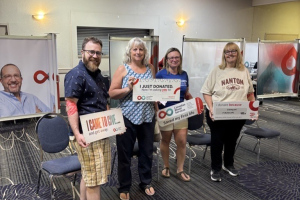
That local connection extends beyond insurance. The Western Communities Foundation, Western’s charitable arm, has invested more than $2.6 million in community infrastructure, supporting more than 540 initiatives across Canada. Its grants help create and improve shared spaces where people gather and connect. Welders know the work behind a repaired railing, an upgraded facility or a space made easier to use. Stronger communities depend on those practical improvements, as well as the people who help make them happen.
Before accepting your next contract, give your broker the job details and ask what needs reviewing. Learn more about Welders Insurance, or speak with a Western business insurance broker about protection that fits your equipment, your customers and the way you work. Getting those questions answered early leaves one less thing to sort out when it’s time to get started.
Frequently asked questions
What insurance does a self-employed welder need?
Depending on your work, consider commercial general liability, tools and equipment, commercial auto and commercial property insurance. Business interruption, professional liability or environmental coverage may also be relevant. Your broker can help identify the combination that fits your operations and client requirements; working alone or part-time doesn’t eliminate business risks.
Does welding insurance cover mobile work?
Coverage can be arranged for mobile welding, but confirm that your policy includes the services and locations involved. Review tools in transit, equipment at customer sites, vehicle use and any storage conditions. Don’t assume a policy arranged for shop-only work extends to every off-site project.
Will liability insurance pay to fix a faulty weld?
Not automatically. The cost of correcting your own work can be treated differently from covered damage to other property. Workmanship exclusions, completed operations provisions and restrictions involving property being worked on can affect the outcome. Ask your broker to explain how your particular policy addresses these situations.
What affects the cost of Welders Insurance?
Your welding activities, work locations, revenue, experience, claims history and equipment values can influence pricing. Vehicles, employees, subcontractors, requested limits and deductibles also matter. Use the same business details when comparing quotes, and review exclusions alongside the price rather than assuming every package offers equivalent coverage.
Should I contact my broker before taking a new welding job?
Yes, particularly if the job introduces a new activity, location or contractual requirement. Share the insurance provisions before signing so your broker can check whether changes are needed. Obtain legal advice on obligations beyond insurance, including indemnities. A certificate alone doesn’t confirm that everything in the contract is covered.