

 13,000+ Reviews | 4.5
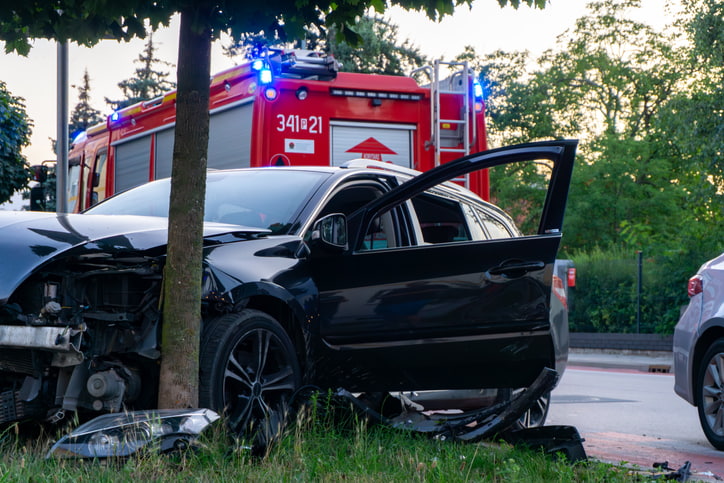
Nobody plans on an at-fault accident. Even if you're worried about what will happen to your car insurance, the good news is that one accident doesn’t leave you without options. If you’re searching for car insurance in Ontario after an at-fault accident there are real steps you can take to find coverage that works for you and your budget.
Here’s what to expect, how long an accident can follow you, and how to approach your next renewal or quote with a little more confidence.
How Does an At-Fault Accident Affect Car Insurance Rates in Ontario?
Insurers set your price based on risk, and your driving history is a big part of that. If you’re found at fault, an insurer may expect you’re more likely to claim again down the road. That’s why premiums often go up after an at-fault accident.
How much they go up depends on a few things:
- The severity of the accident and the cost of the claim
- Your overall driving and claims history
- How long you’ve been licensed and insured
- How your insurer rates at-fault accidents
Any increase usually kicks in when your policy renews, not right after the accident. And because every insurer weighs these factors a little differently, there’s no one number that fits everyone. The same accident can affect your premium quite differently from one company to the next.
How Long Does an At-Fault Accident Stay on Your Insurance Record?
In Ontario, insurers generally look back about six years when they rate an at-fault accident, though each company has its own approach. That doesn’t mean you’ll pay a higher premium for all six years. If you stay claim-free and keep your record clean, time is on your side.
It helps to think of an at-fault accident as something that fades, not something that sticks to you forever. Every year of safe driving rebuilds your history, and your options tend to improve as the accident gets further behind you.
So if your renewal offer comes in higher than you hoped, don’t assume every insurer will see your accident the same way.
Can You Still Get Affordable Car Insurance After an At-Fault Accident?
Often, yes. There are no guarantees, but these steps can make a real difference:
- Compare quotes from multiple insurance providers: Insurers rate accidents differently, so shopping around is one of the most effective ways to find a better fit.
- Ask about available discounts: Depending on your situation, you may qualify for savings you haven’t used.
- Consider bundling home and auto insurance: Some insurers offer multi-policy discounts.
- Review your coverage and deductible options: A different deductible or coverage structure may change your premium, but make sure you still have the protection you need.
- Explore insurers that specialize in different driver risk profiles: Some insurers are better suited to drivers with a recent accident than others.
This is where a broker earns their keep. Instead of getting one quote at a time, you can have someone look across multiple insurance providers and walk you through how they differ.
What Is Accident Forgiveness in Ontario?
Accident forgiveness is an optional feature some insurers offer. It’s designed to protect your premium if you have a first at-fault accident. Eligibility varies by insurer, and many ask for a clean driving record over a set period.
Here’s the catch: it generally has to be in place before an accident happens, so you usually can’t add it afterwards to undo an increase.
If you don’t have it, it’s still worth asking your broker about at your next renewal. Find out how it works, what it costs and whether it follows you if you switch insurers.
What Other Factors Affect Your Insurance Premium?
Your accident is only one piece of the puzzle. Insurers also look at:
- Your driving and claims history
- Your vehicle’s make and model
- Your postal code and location
- How many kilometres you drive each year
- Your coverage selections and deductibles
Some of these, like your annual kilometres or your coverage choices, are things you can talk through with your broker. Others, like your postal code, are harder to change. Still, knowing what drives your premium helps you focus on what you can actually control.
Practical Advice, With a Connection to Your Community
Western Financial Group has provided protection to more than one million Canadians and has an A+ Better Business Bureau (BBB) rating. In 2026, Western was also recognized with a Canadian Business Excellence Award for Private Businesses and named one of Insurance Business Canada’s 2026 Top Insurance Employers.
That commitment to people and communities extends beyond insurance. Western Communities Foundation, Western’s charitable arm, has invested more than $2.6 million in community infrastructure, supporting more than 540 initiatives across Canada. Its grants help create and improve shared spaces where people can gather, connect and feel at home in their communities.
After an accident, a little practical advice goes a long way. A Western Financial Group broker can help you compare car insurance quotes, explore coverage options from multiple insurance providers and understand exactly what your policy includes, even after an at-fault accident.
Reach out to a Western Financial Group broker today and see what your options look like.
Frequently Asked Questions
How Much Does Insurance Increase After an At-Fault Accident?
It really depends on the insurer, how serious the accident was, your driving history and the claim itself. There’s no single number that applies to everyone, which is exactly why comparing quotes is worth the effort.
Can I Switch Insurance Companies After an Accident?
Yes, you can. You’re free to shop around with other insurers after an accident. Expect to share your accident history, and ask your broker how different companies are likely to view it.
Can I Get Cheap Car Insurance With an At-Fault Claim?
You may be able to find more affordable coverage, though “cheap” isn’t a promise. Comparing providers, asking about discounts, bundling policies and reviewing your deductible can all help. Just make sure you still have the coverage you need.
Does an At-Fault Accident Affect Insurance for Six Years?
In Ontario, insurers generally look at at-fault accidents for about six years, although it varies by insurer. The impact on your premium can also shrink over time as your clean driving record builds back up.
Will My Insurance Go Down If I Have No Further Accidents?
Often, yes. Staying accident-free helps rebuild your driving history, and your rate may come down as the accident gets further in the past. Check in with your broker at renewal to see what’s available.
Can I Get Insurance After Multiple At-Fault Accidents?
Coverage is often still available, though your options may be narrower and premiums higher. A broker can point you toward insurers that work with different driver risk profiles.