

 13,000+ Reviews | 4.5
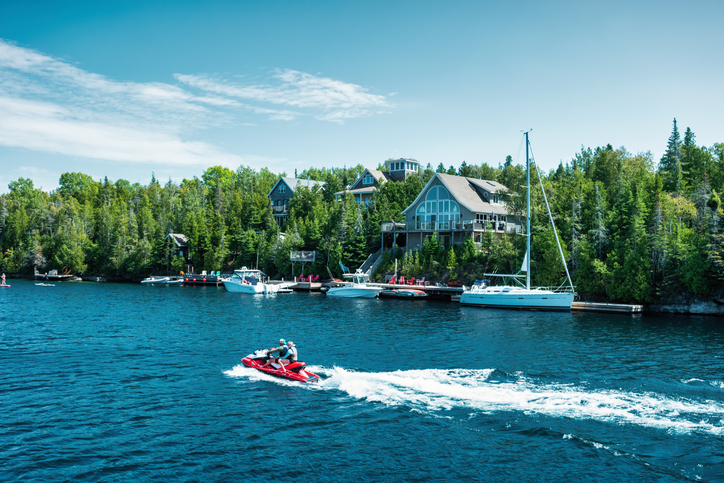
Cottage insurance helps protect a recreational property, its belongings and your liability, but the protection depends on how you use the property and the policy you choose. In Canada, seasonal occupancy, winter closures, rental guests and remote access can all affect coverage. This cottage insurance checklist explains what to confirm before buying a policy, so you can compare more than the premium.
What kind of insurance does your cottage need?
Whether you search for vacation home insurance, holiday home insurance or summer cottage insurance, focus on the policy wording rather than the label. A recreational property may be added to an existing home policy or insured separately, and comprehensive coverage may not be available for every seasonal property.
Before requesting quotes, prepare a description of your routine: when you visit, how long the property sits empty, whether it remains heated and who else uses it. Be clear about winter access, too. A cottage reached by a maintained road presents different access considerations from an island cabin reached only by boat.
Start with an accurate property profile
Give each insurer the same information so your quotes reflect the same property. Construction, heating, maintenance and fire protection can influence both eligibility and price. Gather these details before you call:
- Building details: Age, floor area, construction materials, roof condition and recent renovations.
- Heating and utilities: Main and backup heat sources, wood-burning appliances, electrical updates and plumbing information.
- Access and emergency response: Road or water access, winter accessibility and distance from a fire station.
- Occupancy: Months of use, typical absences, winterisation arrangements and any rental activity.
- Other property: Sheds, garages, bunkies, docks, boathouses and recreational equipment you want considered.
If you need log cabin insurance, identify the log construction explicitly rather than describing the property simply as a cabin. Ask what documentation the insurer needs for the structure and heating system. This helps avoid comparing a quote based on incomplete assumptions with one that reflects the building.
Set limits around rebuilding and replacing
Your purchase price is not the same as the cost to rebuild. Waterfront land can contribute substantially to market value, while insurance for the building should reflect reconstruction costs. Ask how the insurer calculated its estimate and whether it accounts for the property's access and distinctive materials.
Also confirm how a claim would be settled. Replacement cost coverage generally avoids depreciation when its conditions are met; actual cash value deducts depreciation. Conditions may include replacing damaged belongings or rebuilding on the same site, so ask what happens if you decide not to rebuild.
Create a contents inventory rather than guessing at a lump sum. Walk through the kitchen, bedrooms, storage areas and outbuildings, photographing furniture, appliances, tools and equipment. Keep receipts where available and store a copy of the inventory somewhere accessible away from the cottage.
Which losses are covered and which are not?
A cottage policy covers only the losses included in its wording, subject to exclusions, limits and conditions. A named-perils policy covers listed causes of loss, while broader coverage still contains exclusions. Do not assume theft, vandalism or every form of water damage is included simply because the building is insured.
Review these areas individually with your broker or insurer:
- Fire and severe weather: Confirm protection for fire, wildfire, wind and other relevant hazards.
- Theft and vandalism: Ask whether coverage is included or must be added, particularly during extended absences.
- Water damage: Discuss burst pipes, sewer backup and overland flooding separately; these are not interchangeable coverages.
- Earthquake: Ask whether an endorsement is available and how its deductible works.
- Maintenance-related damage: Understand exclusions for deterioration and damage caused by inadequate upkeep.
For a lakeside cottage, ask specifically about water entering when a lake overflows. Overland flood protection may require extra coverage and may be unavailable in very high-risk locations. Request the applicable limit and deductible rather than accepting a general assurance that “water damage” is covered.
Know what your policy requires when you’re away
Before buying, ask the insurer to explain the conditions that apply while you’re away. Seasonal policies can restrict coverage during long absences, and frozen pipes may be excluded. Insurers may expect inspections, maintenance and winterisation, so obtain the requirements for your particular policy in writing.
Ask practical questions: Must the heat remain on? Must someone check the property, and how often? Is shutting off and draining the water an acceptable alternative? Do not assume another homeowner's inspection schedule applies to you.
Build a routine around the answers. Keep dated inspection and winterisation records, identify who can respond to an alarm and make sure that person can reach the property. Ask whether temperature or leak sensors satisfy any requirements or simply provide additional protection; obtain confirmation rather than treating technology as a substitute for required visits.
Check liability, outbuildings and waterfront equipment
Liability insurance helps protect against legal liability for injury to others or damage to their property. Confirm that your seasonal property coverage includes it, who is insured and what limit applies. Do not assume every basic seasonal insurance option includes the same liability protection as your main home policy.
Discuss the property beyond its main walls. Give the insurer a list of detached buildings, docks, boats and recreational equipment, and ask which are covered, under what limits and against which causes of loss. Optional protection may be available, but the presence of an item on your property does not establish that it is insured.
For example, ask whether a bunkie used for sleeping is described correctly and whether a boat requires separate coverage. Record the answers alongside your quote. This gives you a reference when comparing policies and reviewing future changes.
Disclose rentals before accepting bookings
Tell your insurer about rental plans before advertising or accepting a booking, even if you expect to rent for only a few weekends. Standard home and seasonal policies often restrict or exclude rental use, and short-term rental coverage may be needed. Check with your insurance professional before renting.
Explain the expected rental frequency, guest arrangements and equipment available to renters. Ask about building damage, liability and any restrictions affecting paying guests. Request written confirmation of the approved use, and revisit the arrangement if occasional rentals become a regular activity.
Compare cottage insurance rates on equal terms
Cottage insurance rates depend on more than building size. Location, emergency-service access, construction, heating, occupancy, claims history and deductibles can all influence premiums. A lower quote is not necessarily better value if it removes protection or imposes conditions you cannot meet.
If you want help comparing options across insurers, consider working with a broker who can translate the fine print into practical requirements. For many Canadian cottage owners, a brokerage such as Western Financial Group can be a useful starting point for gathering quotes, clarifying coverage differences and aligning a policy with how the property is actually used.
Final cottage insurance buying checklist
Use this checklist to compare written proposals:
- The occupancy description and rental use are accurate.
- Building, contents and detached-structure limits match your needs.
- Claim settlement terms and rebuilding conditions are clear.
- Water, theft and other optional coverages are identified.
- Each deductible is affordable, including separate hazard deductibles.
- Winterisation and inspection duties are practical.
- Liability protection and recreational-property questions are resolved.
- The insurer has confirmed outstanding questions in writing.
Compare limits, endorsements, exclusions and deductibles alongside the premium. Ask about available discounts, but avoid reducing essential coverage just to reach a lower price. Keep the completed checklist with your policy for future reviews.
Buy protection that fits how you use your property
Before committing, ask an insurance professional to walk through your occupancy, rebuilding estimate, exclusions and responsibilities, then resolve unclear answers before choosing a policy. If you're using a broker, bring your completed checklist so they can confirm which requirements you can realistically meet and which endorsements you may need. The goal is straightforward: protection you understand, limits you have considered and conditions you can follow.
Why choose Western for cottage insurance?
Choosing the right coverage is easier when you have someone to help make sense of the details. Western Financial Group’s licensed brokers can compare options from multiple insurers and help you understand coverage, exclusions and seasonal-use requirements. Western is a Better Business Bureau (BBB) Accredited Business with an A+ rating, and its recognition includes a 2026 Canadian Business Excellence Award and Canadian HR Reporter’s 2026 5-Star Diversity, Equity & Inclusion Employer designation.
Through the Western Communities Foundation, its charitable arm, Western also helps build safer, more connected communities across Canada. Talk to a Western broker about coverage that fits the way you use your cottage. It’s another way Western gives back to the communities it serves.