

 13,000+ Reviews | 4.5
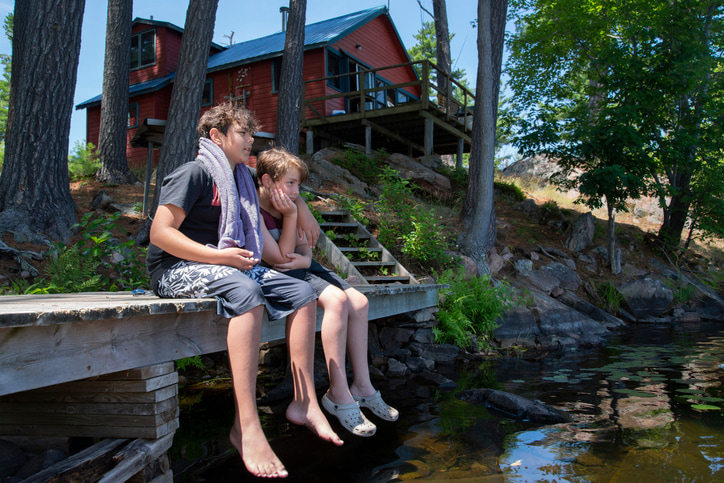
Cottage insurance protects a vacation or secondary property, while primary-residence home insurance is designed around the home you regularly occupy. The biggest differences involve occupancy, available coverage, and conditions for protecting a property between visits. This comparison focuses on Canadian insurance options, including how Western Financial Group can help you explore coverage suited to your getaway.
A cottage might look like a smaller version of your house, but its insurance needs can be quite different. Before choosing a policy, look beyond the building itself: how often you visit, winter access, and rental plans can all affect your options.
What is the main difference between cottage insurance and home insurance?
The main difference is how the property is used and the risks that use creates. Primary-residence insurance generally reflects regular occupancy, while cottage insurance accounts for seasonal or occasional use, longer absences, and potentially limited access to emergency services. Those differences can affect covered events, exclusions, eligibility, and premiums.
However, “cottage” does not automatically mean basic seasonal coverage. A winterized property visited regularly throughout the year may qualify for secondary-home coverage resembling a primary-residence policy. Insurers set their own eligibility conditions, so describe your actual routine rather than relying on the property's nickname.
For example, a summer-only cabin and an insulated lake house used every weekend may need different policies. Tell your broker whether the road stays accessible, whether the building is heated, and how frequently someone occupies it. These details help establish which category fits.
Coverage breadth matters more than the policy name
A useful cottage insurance vs home insurance comparison starts with the coverage form. Home insurance comes in different levels, and seasonal policies may offer narrower protection than the comprehensive coverage available for some primary residences.
| Coverage feature | Primary-residence home insurance | Cottage or seasonal insurance |
|---|---|---|
| Property use | Regularly occupied home | Seasonal or secondary residence |
| Coverage form | Comprehensive, broad, or named-perils options | Often named perils; broader options depend on eligibility |
| Extended absences | Policy conditions still apply | Absence and winterization conditions deserve particular attention |
| Policy arrangement | Covers the declared primary residence | May be added as a location or insured separately |
Availability and terms vary by insurer. A comprehensive policy generally covers risks unless specifically excluded; a named-perils policy covers only the events listed in the contract. Neither approach means every possible loss is insured.
That distinction becomes important when something unexpected happens. If theft or vandalism is not included in a seasonal policy, a break-in may leave you paying for losses yourself. Ask whether those protections are included, available through an endorsement, or unavailable for that property.
The cottage details that deserve a closer look
Water damage and winter shutdown
“Water damage” is not one universal coverage. Sudden accidental escape of water, sewer backup, flooding, and frozen pipes can be treated differently. Seasonal policies may exclude particular losses or make coverage conditional on precautions during absences.
Before closing the cottage, ask for the insurer's specific requirements concerning heat, plumbing drainage, inspections, and winterization. Do not assume a neighbour's occasional visit satisfies your policy. Request written clarification about what must happen while you are away and keep records of the precautions you take.
Contents, outbuildings, and recreational equipment
Furniture and belongings permanently kept at the cottage need attention under its coverage. Items transported from your main home may instead fall under that home's policy, depending on the circumstances and wording. Ask which policy responds rather than assuming both provide duplicate protection.
Also identify everything beyond the main building. Sheds, bunkies, docks, boats, and recreational equipment can have different limits or require additional insurance. A policy covering the cottage does not necessarily insure every item used there.
Create an inventory showing where belongings stay, their approximate replacement costs, and any valuable equipment. Photographs and receipts can support the discussion about limits and help document a later claim.
Rebuilding costs and claim settlement
Check both the insured amount and the settlement basis. Replacement-cost coverage and actual-cash-value coverage are not interchangeable: actual cash value accounts for depreciation, which can leave a larger gap between a claim payment and the cost of replacing damaged property.
Ask your representative to assess reconstruction costs rather than using the purchase price as a shortcut. Review the building and contents separately, and confirm any conditions attached to replacement-cost settlement. The practical question is how much you would need to contribute after an insured loss.
Does renting out your cottage change the insurance you need?
Yes. Renting out a cottage can change eligibility, coverage, and premiums, even when rentals are occasional. Tell your insurer before accepting bookings; you may need a rental endorsement or a different policy, and some seasonal policies do not permit rental use.
Be ready to explain how many days you expect to rent, whether guests can use watercraft or other equipment, and whether you provide services. These details help the insurer assess the activity rather than treating the cottage as owner-use only.
Liability protection deserves particular attention. It may help when you are legally responsible for unintentional bodily injury or property damage, but the policy must match the property's use. Confirm that rental activities and any included recreational equipment fit the coverage being offered.
Price depends on the property, not just its size
A smaller cottage is not automatically cheaper to insure than a larger primary home. Location, construction, heating systems, occupancy, and the property's condition all influence pricing. Coverage limits and deductibles also affect what you pay.
Remote access and distance from emergency services matter, too. When comparing quotes, ask which property features drive the premium and whether security improvements or changes to your deductible could affect the options available. Avoid reducing coverage simply to make two prices look similar.
Bundling home and cottage insurance may offer savings, but compare the actual terms before deciding. A lower premium is less useful if it comes with exclusions or a settlement basis you cannot comfortably absorb. Keep the coverage comparison beside the price comparison.
Bring these details to your insurance comparison
Prepare a property profile before requesting quotes. Clear information helps your representative assess eligibility and recommend limits; it also gives you a consistent basis for comparing proposals. Use this checklist to guide the conversation.
- Occupancy: Describe your visiting schedule, seasonal closures, and whether anyone else stays there.
- Access: Explain road or water access and whether emergency vehicles can reach the property year-round.
- Building condition: Gather information about construction, roofing, heating, plumbing, and electrical systems.
- Other property: List detached structures and estimate the replacement cost of belongings kept on-site.
- Rental plans: Disclose paid stays and any equipment or services included for guests.
For each quote, request the same coverage limits where possible. Then review deductibles, exclusions, endorsements, and claim-settlement terms side by side. Ask your representative to explain differences rather than treating the cheapest proposal as an equivalent substitute.
How Western Financial Group can help
Western Financial Group offers a helpful starting point for owners navigating seasonal-property coverage. Its brokers work with multiple insurance partners to explore protection for cottages, cabins, and secondary homes, with an emphasis on matching coverage to the property and its use. That access makes it worth including Western in your comparison.
Bring your property profile and ask a Western Financial Group broker to explain available options for your buildings, belongings, and liability. Its seasonal-property service includes guidance on coverage choices and potential additions, including rental-related protection where available. The aim should be a clear understanding of what you are buying—not just a quote.
Choose coverage for the way you actually use the property
The strongest insurance comparison starts with your cottage's real use, then checks covered risks, limits, exclusions, and owner responsibilities. Review those details whenever occupancy or rental plans change. Whether your getaway is a summer cabin or a year-round retreat, choose protection you understand before you need to rely on it.