

 13,000+ Reviews | 4.5
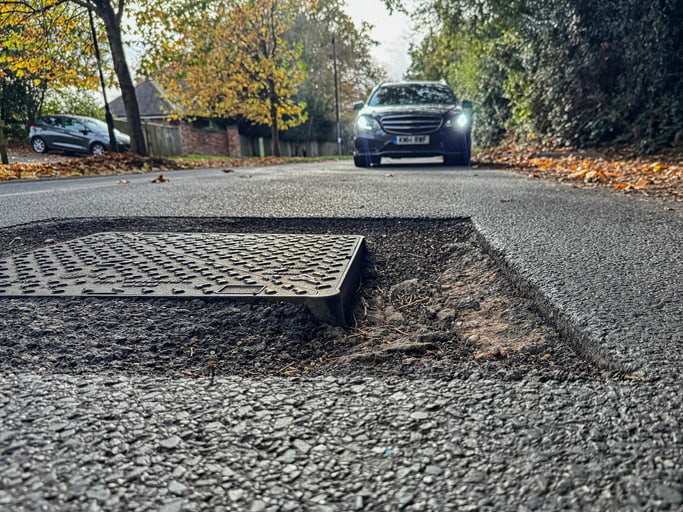
There are some sounds you really don’t want to hear when you’re driving. The thud of hitting a pothole you didn’t see in time is definitely one of them.
Maybe you pull over and discover a damaged tire or bent rim. Or perhaps the surprise comes while your car is parked: a tree branch lands on it during a windstorm, hail leaves dents across the hood, or rising water gets into your vehicle after a heavy downpour.
Whatever happened, you’re probably wondering the same thing: Does car insurance cover pothole damage or other unexpected vehicle damage?
Sometimes, yes. However, it depends on what caused the damage and the coverage you have. In Ontario, collision and comprehensive insurance do different jobs. Pothole damage is generally associated with collision coverage, while comprehensive coverage can protect against certain non-collision events, including hail, falling trees, fire, vandalism and rising water. Your deductible, exclusions and individual policy terms matter, too.
It’s much easier to understand those differences now than when you’re standing beside a damaged car wondering what the repair is going to cost.
Does Car Insurance Cover Pothole Damage?
Anyone who drives through an Ontario winter and spring knows how quickly a relatively smooth road can start to feel like an obstacle course.
Potholes can cause more than a damaged tire. Hit one hard enough and you could end up with:
- A bent or cracked rim
- Wheel damage
- Alignment problems
- Suspension damage
- Tire damage
If you have collision or all-perils coverage, damage caused when your vehicle strikes a pothole may be covered, depending on the circumstances and your policy. Comprehensive coverage generally isn’t used for pothole damage because this involves your vehicle striking something rather than the types of non-collision events comprehensive coverage is designed to address.
That distinction matters when you’re trying to understand pothole damage car insurance in Ontario. Having an auto insurance policy doesn’t automatically mean every repair to your own vehicle is covered.
For example, suppose you hit a pothole and your mechanic finds $2,500 worth of wheel and suspension damage. If you have collision coverage, it’s worth discussing the damage with your insurer or broker. On the other hand, if the repair costs less than your deductible, making a claim may not make sense.
Before deciding, get a sense of the repair cost, check your deductible and talk through your options with your broker.
What If a Tree Falls on Your Car?
A fallen tree is a completely different situation.
Imagine your car is sitting in the driveway during an Ontario windstorm. You look outside the next morning and discover a large branch lying across the roof.
Does car insurance cover falling tree damage?
This is generally where comprehensive car insurance in Ontario comes in. Comprehensive coverage is designed to protect against certain non-collision losses, which can include:
- Falling trees and branches
- Other falling objects
- Hail
- Windstorms
- Fire
- Vandalism
- Rising water
The fact that your car was parked when the damage happened doesn’t prevent a claim. In fact, many of the situations comprehensive coverage is designed for involve something happening when you aren’t behind the wheel.
If a tree or branch damages your vehicle, take photos if it’s safe to do so and contact your insurance provider. Don’t put yourself at risk to document the damage. Stay away from unstable trees, hanging branches and downed power lines.
Hail, Flooding, Fire and Other Unexpected Vehicle Damage
Potholes and falling branches aren’t the only surprises Ontario drivers have to contend with. Along with snow and ice, warmer months can bring hail, thunderstorms, high winds and flash flooding.
When someone asks, “Does insurance cover storm damage to cars?” the answer depends on what happened and the coverage they purchased.
Hail Damage
You leave your car outside during a summer storm and come back to a hood covered in dents. Hail damage is commonly associated with comprehensive coverage, subject to your policy terms and deductible.
Flooding and Rising Water
A street or parking lot can fill with water remarkably quickly during a severe downpour. Damage from rising water may be covered by comprehensive insurance, depending on the policy and circumstances.
Never try to drive through deep or fast-moving water simply to protect your vehicle. A car can be repaired or replaced. Your safety comes first.
Falling Ice, Snow and Debris
Sometimes the damage comes from above. If a chunk of ice, snow or another object falls and damages your parked car, the loss may fall under comprehensive coverage, depending on your policy.
Fire and Lightning
Fire is another type of loss commonly associated with comprehensive coverage. The cause and circumstances still matter, so ask your insurer to confirm how your particular coverage applies.
Animal Collisions
Here’s one that can catch drivers by surprise. Hitting a deer certainly feels like a collision, but damage caused by an animal strike is commonly handled under comprehensive coverage.
Vandalism
If someone keys your car, intentionally damages the body or breaks a window, comprehensive coverage may respond to the covered damage.
Hit-and-Run Damage
Hit-and-run damage can be more complicated. Depending on what happened and the coverage you carry, different parts of your Ontario auto insurance policy may come into play.
The best first step is to document what you can. Take pictures, write down what you know and contact your insurance provider promptly. If you didn’t see what happened, don’t guess. Simply provide the facts you have.
Flying Debris and Objects on the Road
This is another situation where the details matter.
An object that falls or flies into your vehicle may be treated differently from an object you drive into that is already lying on the road. Instead of trying to determine whether the damage counts as comprehensive or collision, explain exactly what happened to your broker or insurer and ask how your coverage applies.
Comprehensive vs. Collision Insurance in Ontario
The names don’t exactly make the difference obvious.
A simple way to think about these coverages is:
- Collision insurance generally deals with covered damage to your vehicle when it hits another vehicle or object.
- Comprehensive insurance generally deals with certain events that happen to your vehicle outside a collision, such as theft, fire, hail, vandalism, rising water or falling objects.
Consider two cars caught in the same windstorm:
- A falling branch lands on the first car while it’s parked. Comprehensive coverage may apply.
- The driver of the second car swerves to avoid the branch and hits a curb, damaging a wheel. Collision coverage may be the relevant protection.
It’s the same storm, but two very different types of damage.
There’s another point that’s easy to misunderstand. The word “comprehensive” sounds like it should mean everything, but it doesn’t. Comprehensive insurance is a specific type of optional physical-damage protection. Deductibles, exclusions and policy conditions still apply.
Whether it makes sense to have both collision and comprehensive coverage depends on several factors, including:
- The vehicle you drive
- The value and age of your vehicle
- Where you regularly park
- The deductible you can afford
- How much financial risk you’re comfortable taking on yourself
What matters most is knowing what protection you have before you need to use it.
Your Car Is Damaged. What Should You Do Next?
Whether you’ve just hit a pothole or walked outside after a storm to find a dented roof, take a breath before deciding whether you should make a claim.
A few practical steps can make the process easier:
- Take pictures: Photograph the damage clearly, along with the surrounding area when it’s safe and relevant.
- Make notes: Write down when and where the damage happened, along with the weather or road conditions.
- Don’t make the damage worse: If a tire, wheel or suspension component appears damaged, don’t keep driving simply because the car still moves.
- Call your broker or insurance provider: Explain what happened and ask which coverage and deductible may apply.
- Check the numbers: Compare your repair estimate with your deductible before deciding whether it makes sense to submit a claim.
- Keep your paperwork: Save estimates, invoices, towing receipts and other relevant documents.
The numbers can make a significant difference. If a repair costs $800 and your applicable deductible is $1,000, there generally wouldn’t be an insurance payment for that damage. A $4,000 repair is a very different calculation.
It’s also fair to ask whether a claim could affect your insurance in the future. Don’t assume every claim will have the same impact. The circumstances, coverage, claims history and insurer can all matter.
Coverage for Ontario Roads and Weather
You can’t predict every pothole, hailstorm or falling branch. What you can do is understand what your insurance is designed to cover before you’re dealing with the damage.
Western Financial Group has provided protection to more than one million Canadians for more than 100 years. Western is proudly Canadian and accredited by the Better Business Bureau with an A+ rating. It was also selected as a Canadian Business Excellence Award winner in 2026 and named one of Insurance Business Canada’s Top Insurance Employers for 2026.
Those awards are great recognition, but when you’re looking at a damaged car, what really matters is having someone who can help you understand your coverage, explain your deductible and answer the question you actually care about: Am I covered for this?
That focus on helping people extends beyond insurance. The Western Communities Foundation, Western’s charitable arm, has invested more than $2.6 million in community infrastructure, supporting more than 540 initiatives across Canada and helping create and improve shared spaces where people gather and connect.
Whether you’re commuting every day, taking the kids to hockey or simply trying to make it through pothole season with all four rims intact, having the right coverage can make an unexpected repair easier to manage.
Talk to a Western Financial Group broker about your existing coverage or compare car insurance quotes to see what protection makes sense for your vehicle, budget and the way you drive.
Frequently Asked Questions
Does basic car insurance cover pothole damage in Ontario?
Not necessarily. Pothole damage is generally associated with collision or all-perils coverage. If you haven’t purchased the applicable physical-damage coverage, repairs to your own vehicle after hitting a pothole may not be covered.
Will insurance cover a tree falling on my parked car?
It may. If you have comprehensive coverage and falling objects are covered under your policy, damage caused by a tree or branch may be insured, subject to your deductible and policy terms.
Does comprehensive insurance cover hail damage?
Hail is commonly covered by comprehensive insurance. Your deductible, exclusions and policy wording still apply, so check your own coverage rather than assuming every hail claim will be handled the same way.
Does car insurance cover flood damage?
Comprehensive insurance may cover eligible damage caused by flooding or rising water, depending on the circumstances and terms of your policy.
Will filing a damage claim increase my insurance premium?
It depends. The type of claim, circumstances of the loss, your claims history and your insurer can all affect what happens next. A weather-related comprehensive claim, for example, may be treated differently from a collision claim. Ask your broker or insurer about the potential impact of your specific claim.
Is it worth claiming damage if repairs cost less than my deductible?
Generally, no insurance payment would be made when the amount of covered damage is below your applicable deductible. Getting a repair estimate first can help you compare the numbers before deciding whether to submit a claim.
What does car insurance for weather damage actually cover?
There isn’t usually a separate product called car insurance for weather damage. Comprehensive coverage is generally the part of an auto policy associated with covered losses such as hail, windstorms, falling objects, fire and rising water. If bad weather leads you to collide with another vehicle or object, collision coverage may instead be relevant.