


 13,000+ Reviews | 4.5
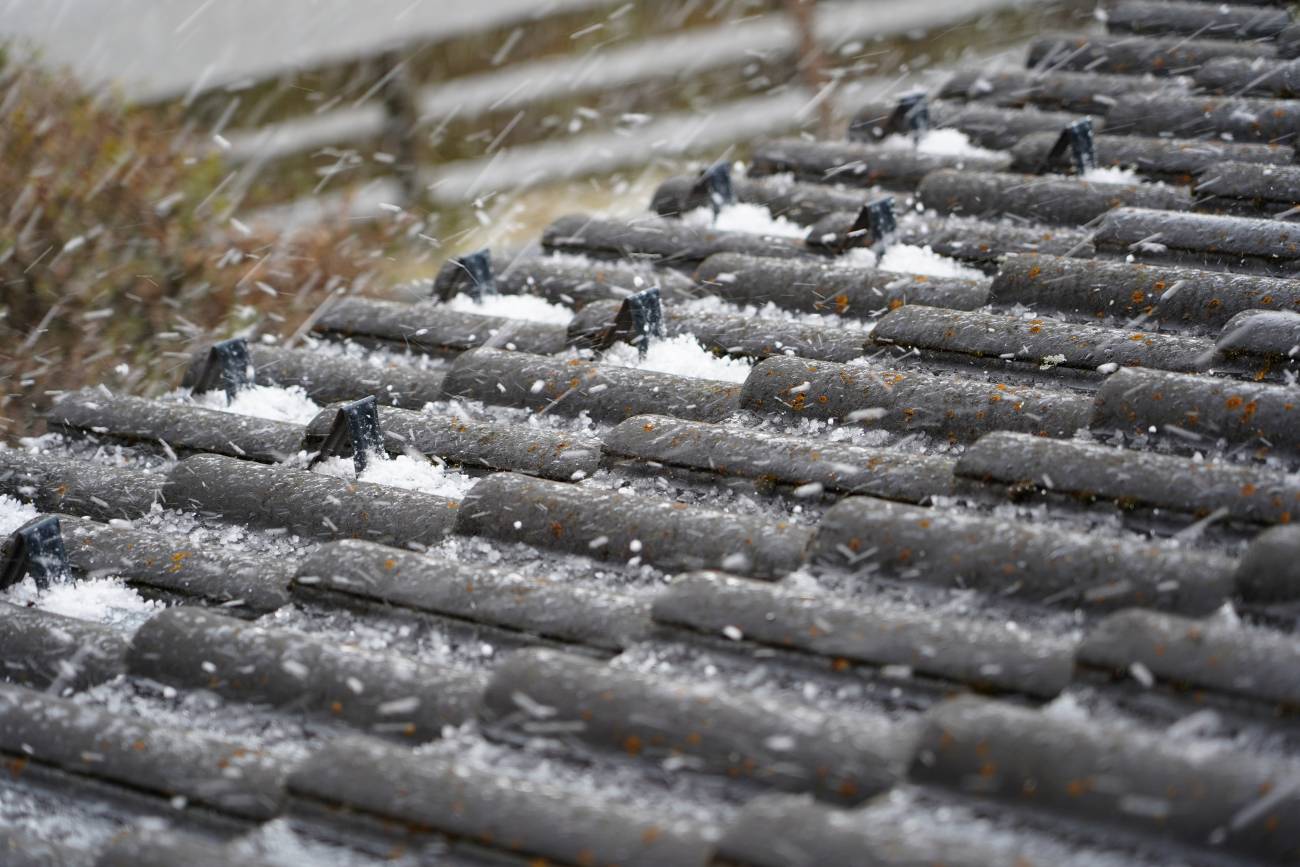
Hail can cause significant damage to a home in only a few minutes. For homeowners in Grande Prairie, severe weather means cracked siding, damaged shingles, broken windows, dented gutters, and water entering areas of the home that were previously protected.
So, does home insurance cover hail damage in Grande Prairie?
In many cases, home insurance policies provide coverage for sudden and accidental damage caused by hail and wind. However, the exact protection available to you depends on your policy, your deductible, the condition of your home, and the way your insurer settles weather-related claims.
If you own a home in the area check your Grande Prairie home insurance options before severe weather arrives so you understand how your coverage works.
Does Home Insurance Cover Hail Damage in Grande Prairie?
Yes, most home insurance policies here cover sudden hail damage in Grande Prairie, including damage to roofs, siding, windows, gutters, and other insured parts of the property. That said, coverage always depends on your specific policy, deductible, exclusions, and how the insurer values or settles the damaged property. Contact us to review your policy before storm season if you're not sure.
Depending on your policy, hail-related damage may include:
- Roof and shingle damage
- Dented or cracked siding
- Broken windows and skylights
- Damage to gutters and downspouts
- Damage to detached garages and sheds
- Damage to certain outdoor property
- Interior water damage that results from covered storm damage
The main thing to remember is that coverage is not identical from one policy to another. Some policies may include special deductibles or settlement conditions for roof, wind, or hail losses.
You can learn more about weather-related protection on Western Financial Group's Alberta home insurance page.
Why Hail Damage Can Be Easy to Miss
Hail damage is not always visible from the ground. A roof can look intact while still having cracked shingles, loosened granules, damaged flashing, or compromised seals. Hidden damage can become more serious over time, especially when moisture enters the roof system or another storm affects the same area.
After a major storm, watch for signs such as:
- Missing, cracked, or curling shingles
- Dents in metal vents or flashing
- Dark spots or areas where shingle granules are missing
- Cracked siding
- Damaged window screens
- Dented gutters
- Water stains on ceilings or walls
- Moisture in the attic
If you suspect roof damage, consider having the property assessed by a qualified roofing professional. Avoid climbing onto the roof yourself, especially after a storm when surfaces may be slippery or damaged.
What Should You Do After a Hailstorm in Grande Prairie?
After a hailstorm, make sure your property is safe, document visible damage, prevent further loss when possible, and contact your insurance broker promptly. Photos, videos, receipts, and notes about when the storm occurred will all help support a claim and make it easier for the insurer to assess what happened.
1. Make Sure the Property Is Safe
Before inspecting damage, first make sure there are no immediate hazards. Stay away from exposed electrical wiring, broken glass, unstable roofing, or other areas that may be unsafe.
If part of the home has suffered major structural damage, do not enter that area until it has been assessed.
2. Take Photos and Video
Document the condition of your home as soon as it is safe to do so. Photos and video help us provide useful evidence of what happened and help establish the extent of the damage.
- Roof damage visible from the ground
- Siding and exterior walls
- Windows and doors
- Gutters and downspouts
- Decks, sheds, and garages
- Interior leaks or water damage
- Damaged personal belongings
Take a quick note of when the storm occurred and when you first noticed the damage, and contact your insurer right away. If you purchased your insurance through an insurance broker like Western Financial Group, they can help support the claims process.
3. Prevent Additional Damage
Homeowners are expected to take reasonable steps to prevent an insured loss from getting worse. For example, you may need to temporarily cover a broken window or stop water from continuing to enter the home.
That said, never put yourself at risk to make repairs. If emergency work is required, contact the experts for quick turnaround, and keep receipts and records of what was done.
4. Contact Your Insurance Broker
Your broker can help explain your deductible, coverage, and next steps. A local broker can also help you understand whether the damage you are seeing is the type of loss that should be reported to your insurer.
The team at Western Financial Group's Grande Prairie insurance brokerage can help homeowners review coverage and understand the claims process.
Should You Have Your Roof Inspected After Hail?
Yes, a professional roof inspection is a good idea after a significant hailstorm, even if you cannot see damage from the ground. Roofing contractors or adjusters may identify cracked shingles, missing granules, damaged vents, flashing problems, or other storm-related damage that could become more serious if it is not addressed. If the storm was especially strong, it's a great safeguard to have a professional take a quick look.
A qualified contractor can find:
- Cracked shingles
- Granule loss
- Damaged flashing
- Loose roofing materials
- Dents in vents
- Damage around skylights
- Compromised seals
That said, before authorizing major repairs, speak with your insurer or broker. Your insurer may need to inspect the damage before permanent repairs are completed.
Western also provides more information in our guide to hail damage and insurance.
Will Making a Hail Claim Increase Your Home Insurance?
A hail claim does not automatically increase your home insurance by a set amount. Premiums are based on multiple factors, including your claims history, the cost of rebuilding, regional severe-weather losses, insurer pricing, and your home's characteristics. A broker like Western Financial Group can help you understand how your deductible and claim history will affect your policy.
If the damage is minor and doesn't cost much more than your deductible to repair, it might not be worth filing a claim. Your broker can help you understand how your deductible applies.
What Is a Hail Deductible?
A hail deductible is the amount you are responsible for paying toward a covered hail claim before the insurer pays the remaining eligible amount. Some policies use a different deductible for wind or hail losses.
Knowing your deductible in advance will help you make more informed decisions if severe weather damages your property.
Does Home Insurance Cover Hail Damage to Vehicles?
No. Home insurance usually does not cover hail damage to your vehicle. Vehicle damage is handled under auto insurance and generally requires appropriate physical damage coverage. If the same storm damages both your house and your car, you may need to make separate claims under your home and auto policies.
If you own a vehicle in the region, you can review Western's Grande Prairie car insurance options.
For additional tips, read Western's guide to saving on Alberta car and home insurance.
How Can Grande Prairie Homeowners Reduce Hail Damage Risk?
Grande Prairie homeowners can reduce hail-related risk by maintaining the roof and exterior, repairing damaged shingles or siding, trimming vulnerable branches, and considering impact-resistant roofing materials when replacing a roof. Preventive maintenance cannot stop hail, but it can help reduce the chance that existing weaknesses become more expensive damage.
Consider the following steps:
- Keep your roof in good condition
- Replace damaged or aging shingles
- Inspect flashing around chimneys and roof openings
- Repair loose siding
- Keep gutters and downspouts in good condition
- Trim branches that could damage your home during storms
- Ask contractors about impact-resistant roofing when replacing your roof
- Store outdoor furniture before severe storms when possible
- Keep vehicles in a garage or covered area if severe hail is forecast
Whenever you replace a roof or complete major exterior upgrades, tell your insurance broker. Those changes can affect how your home is insured.
What Happens If Hail Causes Water Damage Inside the Home?
Water damage caused directly by a covered hail event may also be covered, depending on the policy. For example, if hail suddenly damages a roof or window and rain enters the home, resulting interior damage may be eligible. Long-term leaks, poor maintenance, or existing damage may be treated differently.
This is another reason to document damage carefully and report suspected losses promptly.
Why Choose Western Financial Group?
Working with an insurance broker gives homeowners access to advice and options from multiple insurance companies rather than only one insurer. An insurance broker in Grande Prairie like Western Financial Group can help compare coverage, explain deductibles and exclusions, identify available discounts, and help you understand what happens when you need to make a claim.
For Grande Prairie homeowners, working with Western Financial Group can help you:
- Compare coverage and pricing from multiple insurers
- Understand hail and wind coverage
- Review deductibles and policy limits
- Identify optional coverage that may be appropriate
- Look for available home insurance discounts
- Update coverage after renovations or roof replacement
- Get help understanding the claims process
A broker can also explain the differences between two policies that may look similar at first glance but provide different deductibles, exclusions, or settlement conditions.
If you want to review your coverage, visit your local Western Financial Group Grande Prairie branch or learn more about home insurance in Grande Prairie.
Grande Prairie Hail Insurance FAQs
Does home insurance cover roof damage from hail?
Yes, roof damage caused by sudden hail is commonly covered by home insurance. Coverage still depends on your deductible, policy conditions, exclusions, roof age, and how the insurer settles the loss. Existing wear, deterioration, or maintenance problems are different from sudden storm damage and may not be covered.
How quickly should I report hail damage?
Report suspected hail damage as soon as reasonably possible after the storm. Take photos and video, make temporary repairs if they are necessary to prevent further damage, keep receipts, and contact your broker or insurer. Prompt reporting makes it easier to document the loss and begin the claims process.
What if I do not notice hail damage until later?
Contact your broker as soon as you discover the damage. The insurer will review the cause, timing, condition of the property, available evidence, and your policy terms to determine whether the loss is covered. Do not assume that delayed discovery automatically means a claim cannot be considered.
Will insurance replace my entire roof after hail damage?
Not necessarily. Whether your entire roof is replaced depends on the extent of the damage, the terms of your policy, and the insurer's assessment. An adjuster may determine that repairs are sufficient, or that broader replacement is required when the damage is more extensive.
Can my insurance broker help with a hail claim?
Yes. An insurance broker can help explain your coverage and deductible, direct you to the correct claims process, and answer questions while the claim is being handled. Brokers can also help you understand policy wording before a loss so there are fewer surprises after severe weather.
Protect Your Grande Prairie Home Before the Next Storm
Hail damage can be expensive, but understanding your insurance before severe weather hits can make a major difference.
Review your roof, maintain your property, know your deductible, and make sure your policy still reflects the current value and condition of your home.
To compare coverage, visit Western Financial Group's Grande Prairie home insurance page or contact the local Grande Prairie insurance team.