


 13,000+ Reviews | 4.5
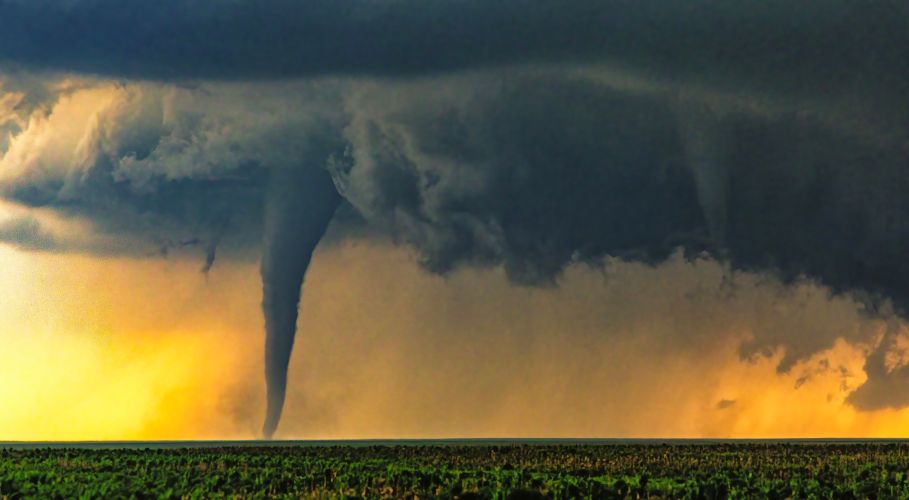
When severe storms hit Manitoba, homeowners often ask the same question: Am I actually covered?
With Manitoba sitting in one of Canada’s most active storm corridors, including parts of the country’s “tornado alley,” understanding your home insurance coverage isn’t just helpful – it’s essential.
If you want peace of mind before the next storm rolls in, start by getting expert advice or a tailored policy through Western Financial Group. Their local specialists compare providers to ensure you’re properly protected—something especially important in high-risk weather regions like Manitoba.
The Short Answer: Yes, Tornado Damage Is Usually Covered
The good news? Most standard home insurance policies in Manitoba do cover tornadoes and severe storms.
Tornadoes are generally treated as a type of windstorm, which is a commonly insured peril in Canada.
That means if your policy includes wind or windstorm coverage (which most do), your insurer will typically help cover the damage caused by tornadoes, thunderstorms, or high winds.
However, the details matter – and not all storm-related damage is treated equally.
What Storm Damage Does Manitoba Home Insurance Cover?
A typical Manitoba home insurance policy protects you in three key ways during a tornado or severe storm:
1. Damage to Your Home (Dwelling Coverage)
This covers the physical structure of your home, including:
- Roof, walls, and foundation
- Garages, decks, and fences
- Sheds or other detached structures
If a tornado tears off your roof or a windstorm knocks down part of your house, this portion of your policy helps pay for repairs or rebuilding.
2. Damage to Your Belongings (Personal Property Coverage)
Your belongings are also typically protected, such as:
- Furniture
- Electronics
- Clothing
Even damage caused by flying debris or rain entering through storm-created openings is usually covered.
3. Additional Living Expenses
If your home becomes uninhabitable after a storm, your policy may cover:
- Temporary accommodation (e.g., hotels)
- Meals and daily expenses
- Storage or pet boarding
This is often called “loss of use” coverage, and it can be invaluable after major storm damage.
What About Other Severe Storms?
Manitoba doesn’t just see tornadoes – hailstorms, thunderstorms, and powerful winds are common too.
Here’s how coverage typically works:
- Hail damage: Usually covered for roofs, siding, and windows
- Windstorms: Covered under most policies
- Lightning: Covered under standard home insurance
- Falling trees or debris: Typically covered if caused by wind
In fact, most severe weather events in Canada are insured under standard policies, as long as they’re sudden and unexpected.
Why Storm Coverage Matters More in Manitoba
Southern Manitoba is part of Canada’s tornado-prone region, along with Alberta and southern Ontario.
Storm risks include:
- Tornadoes (especially June–July peak season)
- Hailstorms that damage roofs and siding
- High winds that can exceed hundreds of kilometres per hour
- Severe thunderstorms with heavy rainfall
With extreme weather events increasing in frequency, ensuring your policy is up to date is more important than ever.
What Isn’t Covered by Manitoba Storm Insurance?
This is where many homeowners get caught off guard.
Even though tornadoes and storms are usually covered, some related risks are not included in a basic policy:
- Flooding: Damage from rising water or overland flooding is not typically covered.
You must add optional flood insurance to be protected. - Sewer Backup: Water backing up into your home requires a separate add-on (endorsement).
- Wear and Tear or Maintenance Issues: If your roof was already deteriorating, your claim could be denied – insurance is designed for sudden events, not ongoing issues.
- Certain Deductibles: Some policies include separate or higher deductibles for wind or hail damage, which may affect your out-of-pocket costs.
How to Make Sure You’re Properly Covered
Not all insurance policies are equal. Here’s how to strengthen your protection:
✔ Review Your Policy Carefully
Confirm that your policy includes:
- Windstorm coverage
- Adequate dwelling limits
- Replacement cost (not actual cash value)
✔ Consider Optional Add-Ons
Depending on your location, you may need:
- Overland flood coverage
- Sewer backup protection
- Enhanced water damage coverage
✔ Know Your Deductibles
Storm-related deductibles may differ from your standard deductible – especially for wind and hail.
✔ Work With an Insurance Broker
A broker like Western Financial Group compares multiple insurers to find:
- Better coverage options
- Competitive pricing
- Policies tailored to Manitoba-specific risks
This is especially valuable because storm risk varies significantly across neighbourhoods and property types.
Don’t Assume – Check Your Coverage
Yes, most home insurance policies in Manitoba do cover tornadoes and severe storms—but the details of your coverage can make a big difference when it matters most.
Before the next storm hits, make sure you:
- Understand what your policy includes
- Add coverage for common exclusions like flooding
- Work with an expert who knows local risks
The reality is simple: in Manitoba, storms aren’t a matter of if – they’re a matter of when.
Taking a few minutes today to review your policy could save you thousands tomorrow.
Tornado safety tips
Being prepared is essential for tornado safety.
- Be informed about storms in your area.
- Signs of a tornado include a dark, greenish sky, large hail with little rain, a cloud rotation with a whistling or rumbling sound, a cloud of debris, high winds, thunder, and lightning.
- Have an emergency kit that includes enough water, food, prescription medications, clothing, and cash for your family for 3 days. Also include a first aid kit, flashlight, batteries, a radio, and blankets.
- Have an emergency kit for your pets that includes food in waterproof containers, water, water dishes, medication, leases, ID tags, a pet first aid kit, bedding, pet waste bags, and documents like microchip information and registration.
- Make sure your documents are safe by storing them in a waterproof container. Include legal documents, passports, insurance policies, marriage licenses and birth certificates and financial documents.
If your home was damaged by a tornado, stay safe and file your insurance claim right away.
- Stay away from downed power lines.
- Check your home for signs of structural damage and do not enter it until local authorities have told you it is safe to do so.
- If you think your home is damaged, turn off the electricity and natural gas.
- Wear appropriate footwear and a long-sleeved shirt and watch out for broken glass, exposed nails, and debris.
- Refer to your home inventory to determine which items need to be replaced.
- Take photos and videos of damage to the inside and outside of your home.
- Do not begin non-emergency repairs until an insurance adjuster has seen your home.
- If your home is unlivable, keep receipts for expenses like hotels and meals.