

 13,000+ Reviews | 4.5
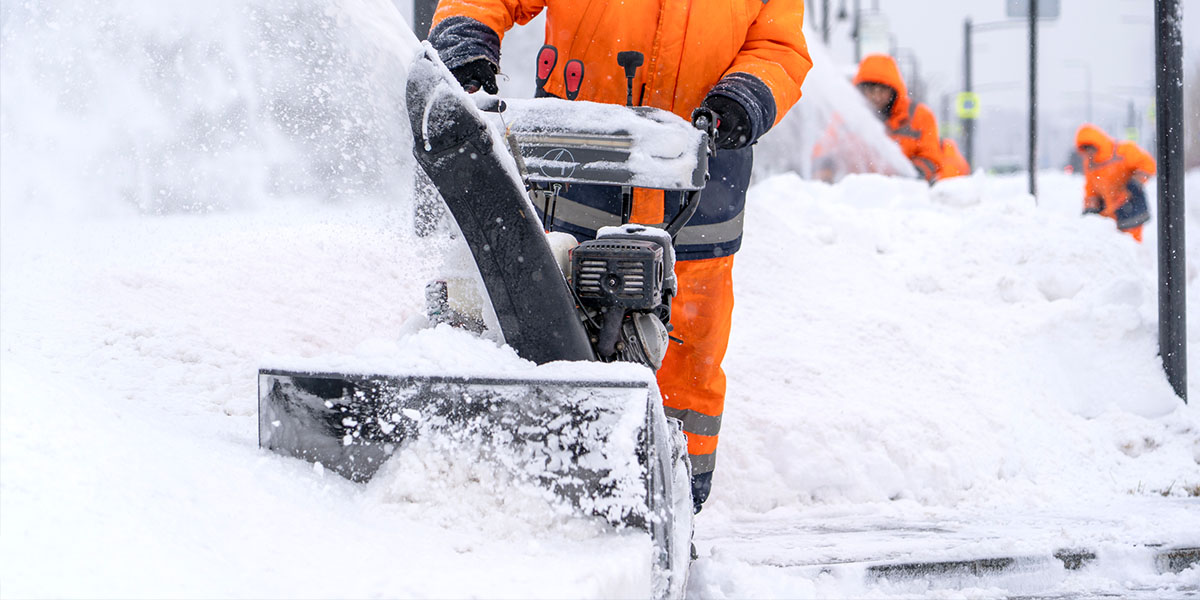
For many landscaping businesses in Canada, the seasons change, but the work does not necessarily slow down. The same crews that spend spring and summer cutting lawns, planting gardens, maintaining commercial properties, and keeping outdoor spaces looking their best may shift into winter work as soon as snow starts to fall. Trucks are fitted with plows, salt spreaders come out of storage, and customers begin asking about snow clearing before the first major storm arrives.
On the surface, snow removal can feel like a natural next step. You may already know the property, own some of the equipment, and have strong relationships with the clients asking for help. But from an insurance perspective, summer landscaping and winter snow removal are not always treated the same way. If your business carries Landscaping Insurance, it may not automatically include Snow Removal Insurance, Snow removal contractor insurance, or Snow plowing insurance for winter operations.
“A lot of landscaping business owners see snow removal as seasonal continuity,” said Hammy Zeid, eCommerce Business Insurance Leader atLandscaping insurance Western Financial Group. “They are still maintaining the property, still serving the same client, and often using vehicles and equipment they already own. The insurance question is whether the policy has been built to reflect that winter exposure. Snow and ice bring a very different risk profile.”
Why summer landscaping coverage may not be enough
Landscaping Insurance is usually built around the services you provide during the warmer months, such as lawn cutting, trimming, planting, garden maintenance, hardscaping, irrigation, grading, or light property maintenance. Those coverages are important, but they are based on the operations your insurer has agreed to cover.
Snow removal can change that risk profile quickly. When your business agrees to plow a parking lot, clear sidewalks, shovel entrances, apply salt, or manage ice, you may be taking on responsibility for conditions that can shift by the hour. Snow can fall after a site has been cleared, ice can form overnight, and a person can slip and fall long after your crew has left.
The short answer: ask before you plow
If you are wondering whether your summer landscaping policy covers snow removal in Canada, the safest answer is: do not assume. Some policies may include snow removal if it has been disclosed, underwritten, and added properly. Others may exclude it, limit it, or require a separate endorsement or separate Snow Removal Insurance policy.
A broker may ask what kind of properties you service, whether you handle residential driveways, commercial plazas, condo corporations, industrial sites, sidewalks, parking lots, or retail entrances. They may also need details about your vehicles, plows, salt spreaders, snow blowers, subcontractors, and seasonal workers before confirming whether you need dedicated Snow removal contractor insurance.
“The time to review snow exposure is not during the first storm,” said Hammy. “If a landscaper is planning to take on winter contracts, we want to know before the work starts. That gives the broker time to review the policy, discuss the services being offered, and make sure the coverage aligns with the actual work being done.”
What makes snow removal risk different?
Landscaping work has risks of its own. A mower can throw a rock, tools can be stolen, or underground irrigation can be damaged. Snow removal adds another layer because conditions are often slippery, dark, rushed, and constantly changing. Crews may work overnight, during storms, or in low visibility while trying to clear multiple properties before businesses open.
One of the biggest concerns is third-party injury. If someone slips on an icy sidewalk or parking lot, they may allege that the property was not cleared, salted, documented, or serviced according to the contract. Property damage is another issue. A plow can strike a curb, scrape asphalt, damage landscaping, hit a sign, or damage parked vehicles.
Even when a claim is eventually resolved, the process can take time and attention away from the business. The contractor may need to provide records, photos, weather notes, invoices, contract details, and proof of when the site was serviced. That is why snow work is often reviewed more carefully than many seasonal landscaping services.
What snow removal insurance may include
Snow plowing insurance is usually not one single coverage. It is more often a tailored package built around the way the business operates. Commercial general liability is often the foundation because it may respond to third-party bodily injury or property damage claims arising from covered operations.
Commercial auto insurance is also important if vehicles are used for plowing, salting, hauling equipment, or travelling between job sites. A personal auto policy may not be designed for commercial snow plowing operations, especially if a plow is attached or the vehicle is being used to earn business income.
Tools and equipment coverage may help protect snow blowers, salters, spreaders, skid steer attachments, shovels, sidewalk machines, GPS devices, and other portable equipment. Depending on the business, a broker may also discuss commercial property, equipment breakdown, hired and non-owned auto, or other coverage options.
“A good conversation about snow removal coverage is very practical,” said Hammy. “What do you drive? Who operates the equipment? What properties do you service? Do you salt? Do you subcontract? Do contracts require specific limits? Those answers help shape the coverage much more than a general label like ‘landscaper’ or ‘snow contractor.’”
The documentation side of winter work
Insurance is only one part of managing winter risk. Documentation matters, too. Snow removal claims can be complicated because conditions change quickly and timing may become important months or even years later. If a claim is made, your records may help show when your crew arrived, what work was completed, whether salt was applied, and what conditions were noted.
Some businesses use route sheets, time-stamped photos, GPS records, weather logs, salt application records, digital job notes, or customer sign-offs. The right system depends on the size of the operation and the type of properties serviced. What matters most is consistency, especially if the contract requires monitoring, salting, or follow-up visits.
Client communication is just as important. Snow contracts should clearly explain the scope of work, service triggers, response times, areas included and excluded, salting responsibilities, access issues, and who can request extra service. If expectations are unclear, disputes can follow.
It can also help to review contracts before signing them, especially for commercial properties. Some agreements may require higher liability limits, specific certificate wording, additional insured status, or proof that snow removal is part of your covered operations. If the insurance section of a contract is unclear, it is better to ask questions before the season starts.
“The contract, the work order, and the insurance policy should all tell the same story,” said Hammy. “If the client thinks you are responsible for one thing, the crew is doing another, and the policy was written for something else, that is when problems can become harder to sort out.”
When landscapers should update their insurance
If your landscaping business is adding snow removal for the first time, expanding from residential to commercial properties, buying a plow truck, hiring seasonal workers, subcontracting routes, storing salt, leasing equipment, or bidding on larger winter contracts, it is time to review your coverage. You should also contact your broker if a client asks for higher liability limits, special wording on a certificate, or proof that snow removal is included.
It is also worth having this conversation before your revenue mix changes. A business that only plows a handful of residential driveways may have different coverage needs than one taking on shopping plazas, apartment buildings, or industrial sites. As the size and type of winter work changes, the insurance program should be reviewed too.
“Insurance should grow with the business,” said Hammy. “If you started as a lawn care company and now you are bidding on commercial snow contracts, your coverage needs may have changed. A seasonal shift in services can be a business opportunity, but it should also trigger a coverage review.”
Questions to ask before winter contracts begin
A landscaping business does not need every answer before calling a broker, but it helps to come prepared. Ask whether your current Landscaping Insurance includes snow removal, what types of snow services are covered, what limits and deductibles apply, whether commercial auto coverage is adequate, whether salting is included, and whether exclusions apply to certain properties or contracts.
Then look at your operations. Are you clearing driveways, sidewalks, parking lots, loading areas, or multi-unit residential properties? Are you applying salt or sand? Are you responsible for monitoring conditions between visits? Do you use subcontractors, and do you have proof of their insurance? These practical details can affect how your coverage should be structured.
For Canadian landscapers, winter work can be a smart way to keep crews active, deepen client relationships, and create more consistent year-round revenue. But snow removal is not just summer landscaping with a plow attached. Before the season begins, talk to your broker about Snow Removal Insurance, Snow removal contractor insurance, Snow plowing insurance, and how those coverages fit with your existing Landscaping Insurance in Canada.
For more information about coverage options for contractors and seasonal property maintenance businesses, visit Western Financial Group’s Contractor Insurance page or speak with a licensed insurance broker.