

 13,000+ Reviews | 4.5
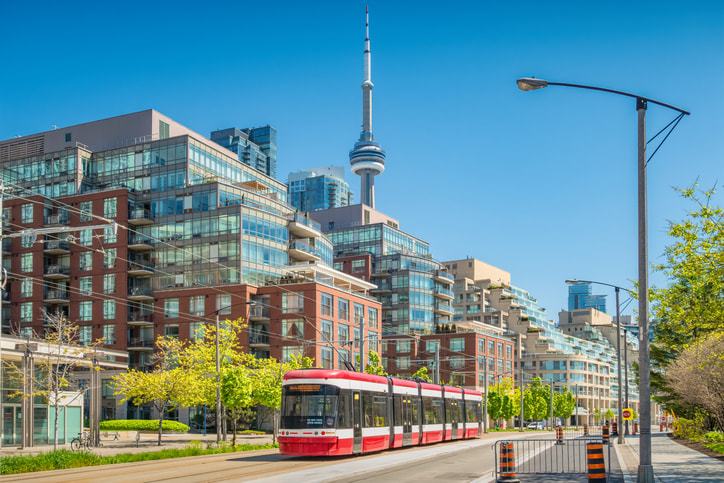
Your postal code can play a role in what you pay for car insurance in Toronto, but it’s only one part of the bigger picture. If you’re researching your Toronto car insurance rate, it helps to understand how insurers weigh location alongside your driving history, vehicle, coverage choices, and local claims trends. Two drivers can live in the same city and still see different premiums because their risks are not identical.
In a city as large and varied as Toronto, location can matter because neighbourhoods may have different patterns of traffic, theft, collisions, parking, and repair costs. That doesn’t mean your postal code tells the whole story. It simply helps insurers understand where your vehicle is usually kept and how local claims experience may affect risk.
That’s why moving a few blocks, crossing into another neighbourhood, or changing where your vehicle is parked overnight can sometimes affect your premium. It may not be the only reason your rate changes, but it can be part of the calculation.
Why does postal code affect car insurance in Toronto?
Auto insurers use many pieces of information to price a policy, including where the vehicle is usually kept. In Ontario, the Financial Services Regulatory Authority of Ontario (FSRA) explains that rates are determined using factors such as driver profile, vehicle type, coverage, deductible, and insurance company. Location can fit into that larger rating picture because insurers may group areas into rating territories based on claims experience and expected risk.
Toronto has dense traffic, busy commuter routes, a mix of street and private parking, and neighbourhoods with different levels of theft and collision activity. Those local patterns can influence how insurers view risk in one area compared with another.
This is sometimes called postal code rating, but it’s more accurate to think of it as location-based risk. Your postal code helps identify where the vehicle is primarily garaged. From there, the insurer considers that information alongside your driving record, vehicle, coverage choices, discounts, claims history, and other details.
Can two Toronto neighbourhoods have different insurance rates?
Yes. Two Toronto neighbourhoods can lead to different insurance premiums, even when the drivers seem similar. One area may have higher local claim frequency, while another may have lower theft activity or less congestion. Those differences can show up in pricing.
Still, it’s important not to compare premiums by postal code alone. A neighbour’s rate may look lower because they drive a different vehicle, have fewer kilometres, qualify for more discounts, carry different coverage, have a longer claims-free history, or insure more than one policy with the same company.
That’s why a postal code can help explain part of your premium, but it can’t explain everything. Your actual quote depends on your full profile and the insurer’s approved rating rules.
What Toronto factors can affect your rate?
Several local factors can influence car insurance pricing in Toronto, including collision frequency, vehicle theft, vandalism, traffic congestion, parking, and repair costs. Some vehicle models may also be targeted more often, which can affect how insurers assess risk.
For example, a driver who parks on the street in a high-traffic area may be priced differently from a driver who parks in a private garage, even if they both live in Toronto. A vehicle used for a long daily commute may also carry different risk than a vehicle driven only occasionally.
The vehicle itself matters as well. Some cars cost more to repair, are stolen more often, or have higher claim costs after a collision. That means your address is only one piece of the calculation. Your vehicle, usage, coverage, deductible, driving record, and discount eligibility all help shape the final premium.
Does moving within Toronto change your car insurance?
It can. If you move, your insurer will usually need to know where the vehicle is primarily kept. A new postal code, parking situation, commute, or annual mileage may affect your premium at renewal or when your policy is updated.
You should make sure your insurer has your correct address and vehicle use information. Providing outdated or inaccurate details can create problems if you need to make a claim. If you’re moving from one part of Toronto to another, it’s worth asking your broker to review how the change may affect your coverage and premium.
A rate change after a move doesn’t always mean your postal code is the only reason. Your insurer may also be updating rates generally, applying or removing discounts, reviewing claims experience, or adjusting for changes in the vehicle, drivers, or coverage.
How can you lower your Toronto car insurance rate?
You can’t change how insurers view local claims experience, but you can control some parts of your insurance profile. Start by keeping a clean driving record, reviewing your coverage at renewal, and making sure your annual mileage and vehicle use are accurate. If you have winter tires, multiple policies, multiple vehicles, or a claims-free history, ask whether discounts may apply.
You may also want to look at your deductible and optional coverages. A higher deductible can lower your premium, but it also means you’ll pay more out of pocket after a claim. Removing coverage just to save money can leave you less protected, so it’s worth weighing the trade-off carefully.
Shopping around can also help. FSRA’s Regulator Rate Ranger lets drivers compare estimated costs based on similar vehicles and driving profiles in their area. It’s also worth considering coverage, products, service, discounts, and price when choosing a policy.
A Western Financial Group broker can help you compare options from different insurers and explain what may be affecting your rate. That can be especially helpful in Toronto, where location, vehicle choice, commute, and coverage decisions can all influence the price you see.
The bottom line
Your Toronto postal code can affect car insurance rates, but it doesn’t work on its own. Insurers look at location alongside your driving history, vehicle, coverage, deductible, claims record, discounts, and how the vehicle is used. If your premium changes after a move or at renewal, it’s best to review the full picture rather than assuming one factor is responsible.
If you’re trying to understand your Toronto car insurance rate, a Western Financial Group broker can walk you through your options, compare quotes, and help you find coverage that fits your needs and budget.
Frequently asked questions
Does postal code affect car insurance in Toronto?
Yes. Your postal code can influence your premium because it helps insurers understand where your vehicle is usually kept and what local claims patterns may apply. It’s one factor among many, not the only factor.
Why are Toronto car insurance rates different by neighbourhood?
Rates can differ because neighbourhoods may have different patterns of collisions, theft, vandalism, traffic congestion, parking, and repair costs. Your own profile still matters, including driving history, vehicle type, coverage, and discounts.
Will my insurance change if I move within Toronto?
It might. A new postal code, parking arrangement, commute, or annual mileage can affect your premium. Tell your broker or insurer when you move so your policy information stays accurate.
Can I lower my Toronto car insurance rate?
You may be able to lower your rate by keeping a clean driving record, reviewing coverage, adjusting deductibles carefully, updating mileage, asking about discounts, bundling policies, and comparing quotes. A broker can help you look at options without reducing important protection.
Is postal code the biggest factor in car insurance?
Not necessarily. Postal code is one factor, but your driving record, claims history, vehicle, annual mileage, coverage, deductible, household drivers, and insurer all help determine your final premium.