


 13,000+ Reviews | 4.5
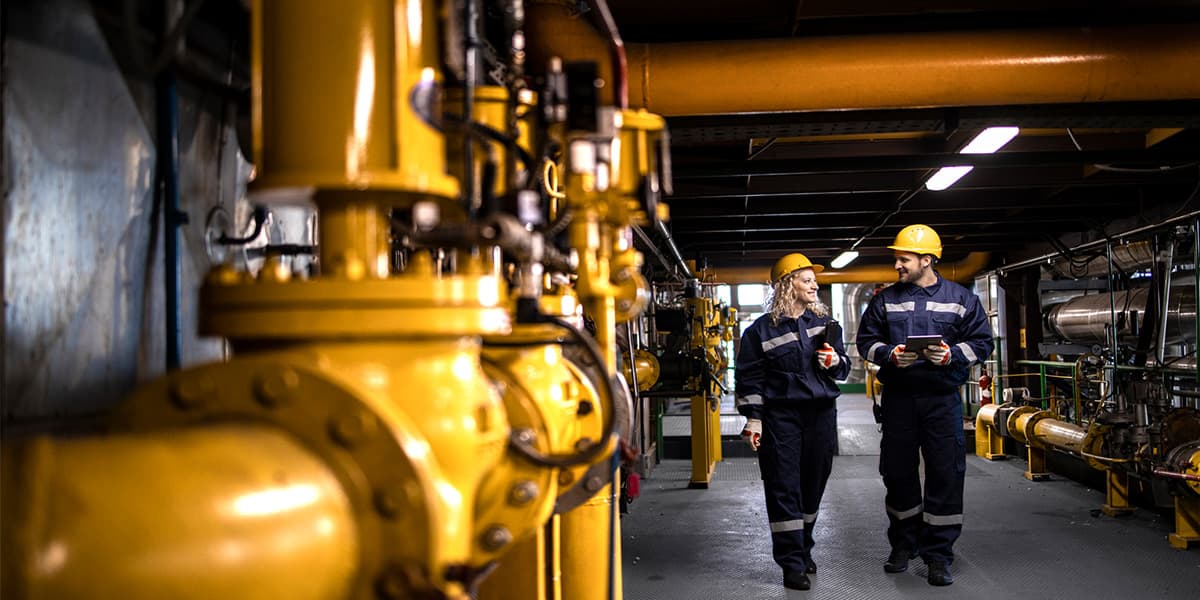
Oil and gas consultants help keep energy projects moving safely, efficiently, and on schedule. Whether you’re advising on drilling operations, reviewing technical processes, managing inspections, coordinating contractors, or helping clients make informed decisions, your expertise carries real responsibility.
That responsibility can also come with risk. A misunderstood recommendation, a worksite incident, damaged equipment, a cyber concern, or an environmental issue can all create financial pressure for a consultant or small consulting business. Even when you’ve taken careful steps, claims and disputes can still happen.
For oil and gas consultants, insurance is about more than meeting client or contract requirements. It can help protect the business you’ve built, the income you rely on, and the professional reputation that keeps you working in a specialized industry.
“Oil and gas consultants are often working in fast-moving environments where the stakes are high and the details matter,” said Chris Litke, Western Financial Group’s Director, Digital Leads. “The right insurance package helps give consultants confidence that if something unexpected happens, they have support behind them.”
Every consulting business is different, and coverage should reflect the work you do, where you do it, who you work with, and what your contracts require. Still, many oil and gas consultants should consider these five types of business insurance when building or reviewing a coverage package.
1. Professional liability insurance
Professional liability insurance, also known as errors and omissions insurance, is one of the most important coverages for consultants. It’s designed to help protect you if a client alleges that your professional advice, services, recommendations, or work caused them financial harm.
For an oil and gas consultant, this could involve technical advice, a missed detail in a report, a recommendation that a client believes caused delays, or a dispute over the services you were hired to provide. Even if the claim is unfounded, responding can take time and money. Professional liability insurance can help with legal defence costs and covered damages, depending on your policy.
“Consultants are hired for their knowledge,” Chris said. “That expertise is valuable, but it also means clients may look to the consultant if they believe advice or guidance led to a financial loss. Professional liability coverage is there for that kind of scenario.”
This coverage is especially important if your contracts require specific insurance limits before work begins. Reviewing those requirements with a broker can help confirm whether your current coverage is enough.
2. Commercial general liability insurance
Commercial general liability insurance (or “CGL insurance”), helps protect your business from common third-party liability claims. This can include claims involving bodily injury, property damage, and certain types of personal or advertising injury connected to your business operations.
For example, if you visit a client’s site and accidentally damage property, or if someone alleges they were injured because of your business activities, CGL insurance may help respond to the claim. Because oil and gas consultants often move between offices, project locations, field sites, and client facilities, that mobility can make liability protection especially important.
CGL insurance is also commonly requested in service agreements. Clients may ask for proof of coverage, a certificate of insurance, or specific policy limits before allowing a consultant onto a job site. If you use subcontractors, review whether they carry their own coverage.
“One of the biggest mistakes consultants can make is assuming a client’s insurance will automatically protect them,” Chris explained. “In many cases, you need your own commercial general liability coverage because your business still has its own exposures.”
3. Pollution liability insurance
Environmental risk is a major consideration in the oil and gas industry. Pollution liability insurance can help protect against certain claims involving contamination, cleanup costs, third-party property damage, or bodily injury related to a pollution incident, depending on the policy.
Even if you’re not operating equipment or physically handling materials, your consulting work could still connect you to environmental risk. You may be advising on procedures, inspecting work, providing recommendations, or helping coordinate activities in places where spills, leaks, emissions, or contamination concerns are possible.
Pollution coverage can vary significantly. Some policies may respond only to sudden and accidental incidents, while others may offer broader environmental liability protection. Your broker can help you understand what fits the type of work you do and the contracts you accept.
“Pollution liability is one of those coverages consultants may not think about until a contract asks for it or a project creates a specific exposure,” Chris said. “It’s worth discussing early, especially if your work takes you into the field or near operations where an environmental incident could occur.”
4. Commercial property and equipment coverage
Your consulting business may rely on more equipment than you realize. Laptops, tablets, phones, surveying tools, specialized instruments, office furniture, software-related hardware, and other business property can be costly to repair or replace if they’re stolen, damaged, or lost in a covered event.
Commercial property insurance can help protect business property at your office or other insured locations, while equipment floater or contractor’s equipment coverage may be needed for items that travel between sites. This distinction matters for consultants who don’t work from one fixed location.
Think about what would happen if your laptop was stolen, your field equipment was damaged in transit, or a fire affected your office. Could you replace what you need quickly? The right property and equipment coverage can help reduce that disruption.
“A lot of consultants operate lean, which makes every piece of equipment important,” Chris said. “If the tools you use to do your work are damaged or stolen, you want to know how your policy would respond before it happens.”
5. Cyber liability insurance
Cyber liability insurance is becoming increasingly important for consultants in many industries, including oil and gas. If you store client information, exchange project documents by email, use cloud-based platforms, access client portals, or manage business records digitally, you may face cyber-related risks.
A cyber incident may include data breaches, ransomware, fraudulent transfer attempts, system interruptions, or the accidental release of confidential information. For consultants, even a small cyber event can affect client relationships, project timelines, and daily operations.
Cyber liability insurance may help with notification, recovery, legal support, and certain third-party claims, depending on the policy. It can also complement strong cybersecurity habits, such as using multi-factor authentication, keeping software current, and limiting access to sensitive files.
“Digital tools make consulting more efficient, but they also create another area of exposure,” Chris said. “Cyber coverage is something more consultants should be asking about, especially when they handle client information or rely on online systems to do their work.”
How to build the right insurance package
There’s no one-size-fits-all insurance package for oil and gas consultants. The right coverage depends on the services you provide, where you work, your contract requirements, whether you have employees or subcontractors, how often you travel to worksites, and the equipment or data your business depends on.
Before accepting a new contract, review the insurance section carefully. Look for required policy types, coverage limits, additional insured wording, waiver of subrogation requests, jurisdiction requirements, and certificate deadlines. These details can affect whether your current coverage is enough before work begins.
It’s also a good idea to review your insurance annually, or whenever your business changes. If you add services, take on larger projects, expand into another province, bring on subcontractors, buy equipment, or handle more client data, your insurance needs may change too.
“A conversation with a broker can help connect the dots between what a contract asks for and what your business actually needs,” Chris said. “The goal is to avoid gaps, avoid assumptions, and make sure your coverage keeps up with the work you’re doing.”
Questions oil and gas consultants should ask
- When reviewing your insurance, consider asking your broker these questions:
- Does my professional liability coverage match the consulting services I provide?
- Do my policy limits meet the requirements in my client contracts?
- Am I covered when I work at multiple field sites or client locations?
- Do I need pollution liability coverage for the projects I support?
- Are my tools, laptops, and mobile equipment covered when they leave my office?
- Would my policy respond if I experienced a cyber incident or data breach?
- Do subcontractors need to provide proof of their own insurance?
- How often should I review my coverage as my consulting business changes?
Protect your consulting business with coverage that fits
Oil and gas consulting is specialized work, and your insurance should be just as carefully considered. Professional liability, commercial general liability, pollution liability, commercial property and equipment coverage, and cyber liability insurance can all play a role in helping protect your business from different risks.
If you’re an oil and gas consultant, Western Financial Group can help you review your options and build a business insurance package that reflects the work you do. Connect with a Western Financial Group business insurance expert today to get advice that fits your consulting business.