


 13,000+ Reviews | 4.5
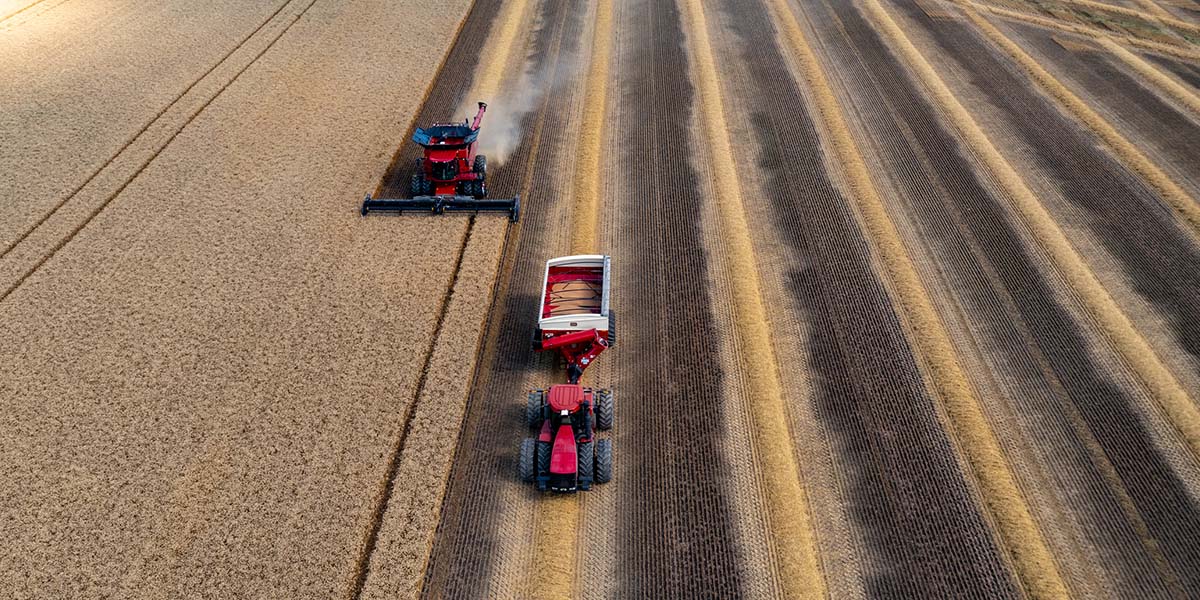
Harvest season brings everything together at once: planning, people, equipment, changing weather, and tight timelines. For Canadian farmers, reviewing your farm insurance before and during harvest is a practical way to protect what keeps your operation moving, including machinery, crops, farm buildings, seasonal workers, and your overall financial stability. This harvest insurance checklist is designed to make that review easier for farms across Canada, helping you spot coverage gaps, manage seasonal risks, and make insurance part of everyday farm risk management instead of a last-minute task.
What should Canadian farmers review before harvest?
Canadian farmers should review every part of the operation that becomes more active, more valuable, or more exposed during harvest. That includes combines, tractors, grain carts, trucks, storage buildings, crops in the field, harvested grain, seasonal workers, contractors, visitors, and any new business activity that has changed since the last policy review.
Harvest increases risk because equipment runs longer hours, temporary help may be on-site, road travel often increases, and weather can quickly affect crop quality. A strong canadian farmers insurance checklist starts with one simple question: what would be difficult or expensive to replace if something went wrong this week?
Key areas to review include:
- Machinery and mobile equipment: Confirm combines, headers, tractors, grain carts, sprayers, trucks, and trailers are listed accurately, especially if anything was bought, sold, leased, upgraded, or modified.
- Farm buildings and storage: Review coverage for machine sheds, shops, grain bins, barns, fuel storage, chemical storage, and temporary storage arrangements.
- Crops and harvested production: Understand what is protected while crops are standing, in transit, in storage, or affected by severe weather or quality loss.
- Liability exposure: Consider seasonal workers, family members, custom operators, delivery drivers, customers, neighbours, and public road use.
- Documentation: Keep current records of equipment values, maintenance, crop inventories, receipts, photos, and policy documents.
Keep your policies aligned with farm changes
A policy that fit last year may not fit this harvest. Farms change quickly, and even small operational shifts can create coverage gaps. Expanded acreage, a new combine, a rented grain bin, added livestock, more custom work, or hiring seasonal workers can all affect the protection your farm needs.
Before harvest, compare your current policies against what is actually happening on the farm today. If your equipment values have increased, coverage limits may need attention. If you have added buildings, changed storage practices, or invited more people onto the property, liability and property coverage should be reviewed.
This is also the time to check deductibles. A higher deductible may help manage premium costs, but it should still be realistic for your cash flow if a claim happens during a high-pressure harvest window. The goal is not simply to have insurance; it is to have coverage that matches your risk tolerance, finances, and operating reality.
A harvest-ready insurance policy checklist
Use this checklist as a practical starting point before the season gets too busy. It will not replace advice from a qualified broker or insurer, but it can make that conversation more focused and productive.
Equipment and vehicles
- Update your machinery list with current makes, models, serial numbers, attachments, and approximate values.
- Confirm coverage for equipment while operating in the field, parked, stored, transported, or used on rented land.
- Ask how breakdown, fire, theft, collision, and transport-related losses are treated.
- Review coverage for borrowed, rented, leased, or custom-hired equipment.
- Keep maintenance logs for combines, tractors, trucks, bearings, belts, electrical systems, and fire prevention measures.
Buildings, grain storage, and supplies
- Confirm all buildings, bins, shops, and storage structures are listed correctly.
- Review limits for grain, seed, fertilizer, fuel, chemicals, tools, and parts.
- Inspect roofs, wiring, doors, security, lighting, ventilation, and fire extinguishers.
- Take photos before harvest to document condition and contents.
- Clarify whether temporary storage or off-site storage is covered.
Crop and production coverage
- Review crop insurance through your provincial program and understand deadlines, insured perils, yield or quality provisions, and reporting duties.
- Confirm how hail, drought, flooding, excess moisture, frost, disease, or quality degradation may be handled under applicable coverage.
- Keep field records, production records, delivery receipts, and bin inventories organized.
- Report losses promptly and avoid moving or disposing of damaged crop before understanding claim requirements.
Liability and people on the farm
- Tell your broker or insurer if you hire seasonal workers, host customers, run farm-gate sales, or allow contractors and visitors on-site.
- Review liability for road travel, custom work, rented land, and shared equipment use.
- Keep yards, shops, bins, and work areas as clean and clearly marked as possible.
- Train workers on equipment safety, traffic flow, emergency contacts, and restricted areas.
Is your coverage ready for real harvest scenarios?
Your coverage is ready only if it can respond to the types of losses your farm could realistically face during harvest. Reading the policy summary is useful, but walking through scenarios makes gaps easier to spot.
Consider a combine fire during a dry afternoon. Would your equipment limit reflect replacement or repair cost? Do you have records showing maintenance and ownership? Would a rented unit be covered if you needed one to keep harvesting?
Now picture a storm damaging a grain bin roof and affecting stored crop quality. You would want to know whether the building, contents, and crop are treated separately, what deductibles apply, and what documentation the insurer expects. If a seasonal worker or visitor is injured in the yard, liability coverage, safety procedures, and incident records may all matter.
These examples are not meant to create worry. They are reminders that farm risk management works best when the paperwork, the property, and the people are prepared before something goes wrong.
Reduce risk before you need to make a claim
Insurance is one layer of protection, not a substitute for prevention. Harvest risk reduction often comes down to disciplined habits repeated every day when everyone is tired and time is short.
Practical steps include:
- Schedule maintenance before the rush. Clean crop residue, check bearings, inspect belts, repair wiring, and service fire extinguishers.
- Control traffic flow. Mark routes for trucks, workers, and visitors, especially near bins, shops, and public roads.
- Secure high-value assets. Lock shops, remove keys, improve lighting, and store equipment in visible or protected areas when possible.
- Document as you go. Take photos of equipment, stored grain, buildings, and damage if an incident occurs.
- Communicate early. Contact your broker or insurer before making major changes, not after a loss.
Work with agriculture-focused insurance support
Farm insurance can be complex because every operation is different. A grain farm, mixed farm, dairy operation, market garden, or custom harvesting business may have very different exposures even when they use similar equipment.
At Western Financial Group, we offer specialized insurance programs designed to help protect your farm, your operation, and your bottom line. Our tailored agricultural solutions are built around the unique risks farmers face, with programs that can provide the right coverage while helping you manage costs. Explore our Crops Inputs Program and other farm insurance solutions designed to help protect your investment and give you greater confidence throughout the growing season.
Harvest is busy, but a short insurance review can prevent long delays and expensive surprises later. Treat your insurance policy checklist as part of the season’s preparation, alongside maintenance, labour planning, grain handling, and marketing.
FAQs
When should farmers review insurance before harvest?
Ideally, review coverage before harvest begins, while there is still time to update equipment lists, building schedules, crop details, and liability information. A mid-season check is also useful if you buy machinery, rent storage, hire workers, or change operations.
What is the biggest insurance mistake during harvest?
One common mistake is assuming last year’s coverage still matches this year’s farm. New equipment, higher values, expanded acres, seasonal labour, and different storage plans can all change your risk.
Does crop insurance replace farm property insurance?
No. Crop insurance and farm property insurance usually address different risks. Crop insurance is commonly tied to production losses or natural perils through provincial programs, while property insurance may address buildings, equipment, tools, supplies, and stored goods depending on the policy.
What records should I keep for a possible claim?
Keep policy documents, equipment serial numbers, purchase receipts, maintenance logs, photos, crop records, delivery slips, bin inventories, and notes about incidents. Clear records can make a claim easier to assess.
How does insurance fit into farm risk management?
Insurance helps transfer certain financial risks, but it works best with prevention. Maintenance, training, safe traffic flow, accurate records, strong storage practices, and regular coverage reviews all support a stronger harvest risk plan.