


 13,000+ Reviews | 4.5
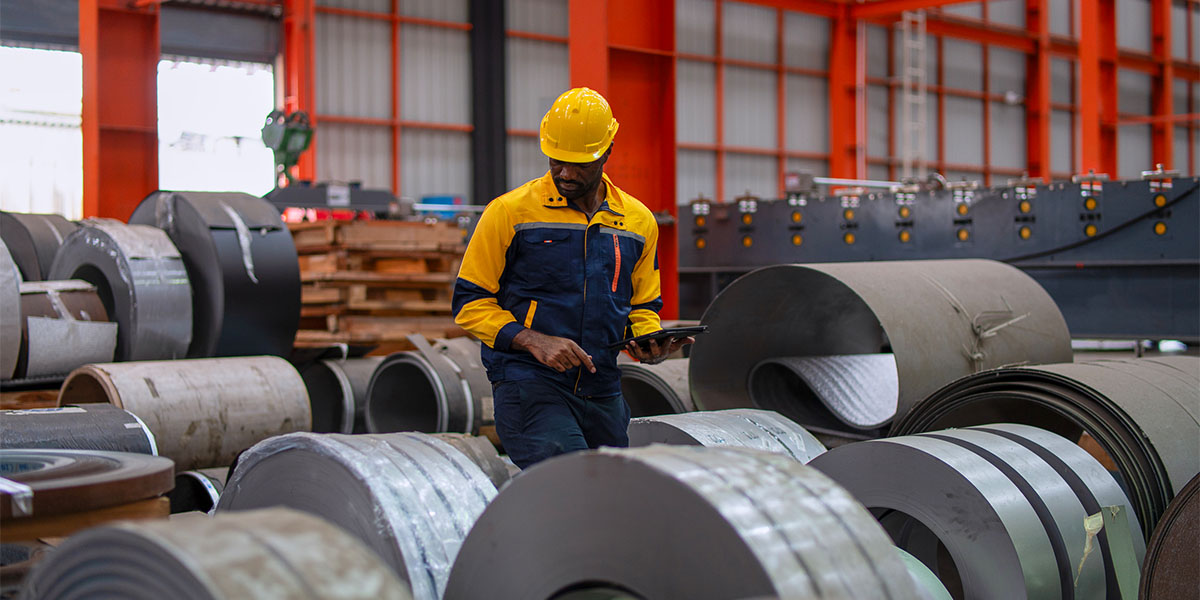
For Ontario manufacturers, protecting your Ontario manufacturing plant from equipment breakdown and supply chain loss starts with understanding how quickly one disruption can affect the rest of the business. A production line is more than machinery, materials, and schedules. It’s where orders become finished products, customer promises are kept, and a lot of careful planning comes together at once. When raw materials arrive on time and equipment runs the way it should, the day has a rhythm to it. But when a critical machine fails or a supplier disruption slows production, that rhythm can change quickly.
For many manufacturing businesses in Ontario, that’s where the right Manufacturing Insurance and risk planning can play an important role. Equipment Breakdown Insurance, Business Interruption Insurance, and supply chain planning are not only about preparing for major events like fires or storms. They can also help business owners think through the less obvious disruptions, such as an electrical issue, a failed control panel, a mechanical breakdown, or a key vendor suddenly being unable to deliver. Often, the repair bill is only one part of the loss. The harder hit may come from downtime, missed orders, rush shipping, overtime, contract penalties, spoiled materials, and strained customer relationships.
“Manufacturers often think about the obvious risks first, like property damage or liability,” said Hammy Zeid, eCommerce Business Insurance Leader at Western Financial Group. “But when something breaks down, the impact usually spreads beyond the machine itself. If one piece of equipment stops, what happens to the next shift, the next order, the supplier relationship, and the customer who’s waiting?”
Why equipment breakdown deserves a closer look
In many plants, the most important piece of equipment is not always the biggest or newest one. It may be a packaging line, CNC machine, compressor, boiler, transformer, refrigeration system, robotics component, or production control system that keeps daily output moving. If it suddenly breaks down, a standard commercial property policy may not respond the way a business owner expects, especially if the issue is mechanical or electrical rather than damage caused by an outside event.
That is where equipment breakdown coverage can help. It is designed to respond to losses tied to the sudden and accidental breakdown of covered equipment. Depending on the policy, it may help with repair or replacement costs, lost business income, extra expenses needed to keep operating, spoilage, or service interruption. For a manufacturer, that support can help turn what might have been a prolonged shutdown into a more manageable setback.
Consider a small Ontario food manufacturer that produces refrigerated products for grocery stores. If a refrigeration compressor fails overnight, the immediate issue may be the cost of repairing the equipment. The bigger problem could be spoiled inventory, missed delivery windows, additional sanitation requirements, and the possibility of losing preferred shelf space with retailers. A similar situation could unfold in a plastics plant if a moulding machine goes down, or in a metal fabrication shop if a critical cutting system fails in the middle of a large customer order.
Downtime is rarely just downtime
Downtime can sound like a simple pause in production. In a manufacturing environment, it’s usually more complicated than that. When one line is offline, staff may need to be reassigned, raw materials may sit unused, finished goods may be delayed, and customer commitments may be at risk. If the plant runs on tight margins or just-in-time delivery, even a short disruption can affect cash flow.
For example, an automotive parts supplier in southern Ontario might rely on one specialized press to produce a component for a larger manufacturer. If that press fails, the supplier may need to pay for emergency parts, bring in technicians, outsource production, or ship partially completed work to another facility. Even if repairs happen quickly, the financial impact can stretch beyond the shop floor.
“Business owners know their machines are important, but sometimes the recovery timeline is underestimated,” said Hammy. “It’s not only, ‘Can we fix it?’ It’s, ‘How long will parts take? Who can service it? Can we keep customers supplied while we wait? What expenses will continue even if production slows?’ Those are the questions that help reveal the real exposure.”
How supply chain loss can affect Ontario manufacturers
Of course, not every disruption starts inside the building. Many manufacturers depend on suppliers, logistics providers, technology platforms, and specialty service partners to keep production moving. When one of those outside partners is disrupted, the effect can land inside your plant very quickly. A delayed shipment of packaging, a missing component, or a vendor’s own production issue may prevent your business from completing work even if your own equipment is running properly.
Picture a furniture manufacturer in southwestern Ontario that receives custom hardware from a supplier in another province. If that supplier experiences a fire, labour shortage, transportation delay, or cyber incident, the manufacturer may not be able to finish products already promised to customers. The financial impact may include idle staff time, storage issues, delayed revenue, and the reputational pressure of explaining late orders to retailers or homeowners.
For businesses using just-in-time inventory, the margin for error can be especially thin. Keeping fewer materials on hand may reduce storage costs, but it can also make the business more vulnerable when one shipment goes missing or one vendor can’t deliver. That doesn’t mean manufacturers need to abandon lean operating models. It does mean they should understand which suppliers are essential, how long replacement materials would take to source, and what coverage may or may not respond if an outside interruption causes a loss.
Building resilience before something goes wrong
A strong insurance program works best when it’s paired with practical planning. That starts with knowing which pieces of equipment carry the greatest operational risk. Some machines are expensive, but not essential. Others may be relatively modest in value but impossible to work around if they fail. The same thinking applies to suppliers, software systems, utilities, and service providers.
A practical continuity plan does not need to be complicated, but it should be honest about what would hurt the business most. What would stop production immediately? Which orders would be affected first? How long could the business operate at reduced capacity? Are backup suppliers already approved? Is critical equipment maintained and inspected on a documented schedule? Are replacement parts available in Canada, or would they need to be shipped internationally?
“The best time to understand a policy is before you’re under pressure,” Hammy said. “A broker can help business owners connect the dots between their operations, their recovery plan, and their insurance. That conversation can uncover gaps that may not come up during a quick renewal conversation.”
Preparation can also make conversations with insurers more useful. When a manufacturer can point to strong maintenance practices, clear supplier management, updated equipment values, and a thoughtful business continuity plan, it helps show how the business manages risk day to day. Insurance is not only about responding after something goes wrong. It’s also about understanding the business well enough to plan for what recovery could actually look like.
Why talking to your broker matters
No two manufacturing businesses operate the same way. One plant may depend on robotics and automated controls. Another may rely on refrigeration, pressure vessels, forklifts, or specialized finishing equipment. A third may be most exposed through a single supplier, a delivery partner that handles time-sensitive shipments, or the risk of a finished product causing injury or property damage. A licensed insurance broker can help review those details and explain how different types of coverage may apply, including Product Liability Insurance and other manufacturing-focused coverage options.
For Ontario manufacturers, it’s worth speaking with your broker when you buy new equipment, expand production, sign a major contract, add a new supplier, enter a new market, or change how inventory is stored. These updates can affect replacement values, business income calculations, coverage limits, exclusions, and recovery timelines. If the policy is not updated as the business changes, there may be a gap between what the company assumes is covered and what the policy is designed to do.
“Your broker should understand more than your square footage and payroll,” Hammy said. “They should understand how your business makes money, what could interrupt that process, and what support you would need to get moving again after a loss.”
Before your next renewal, consider bringing your broker a current equipment list, recent revenue figures, maintenance records, supplier details, lease agreements, and any major operational changes from the past year. The more complete the conversation, the easier it is to build coverage around how your plant actually works.
For more information about coverage options for this industry, visit Western Financial Group’s Manufacturing Insurance page.
Frequently asked questions
What is equipment breakdown insurance?
Equipment breakdown insurance may help protect a business when covered equipment experiences a sudden and accidental mechanical, electrical, or pressure-system breakdown. Depending on the policy, it may help with repair costs, replacement costs, lost income, extra expenses, spoilage, or service interruption.
Is equipment breakdown included in commercial property insurance?
Not always. Commercial property insurance and equipment breakdown insurance can respond to different kinds of losses. A broker can explain what is included in your current policy and whether additional equipment breakdown coverage should be considered for your manufacturing business.
How can supply chain disruption affect a manufacturer?
Supply chain disruption can delay raw materials, components, packaging, transportation, or outside services. For a manufacturer, that can lead to missed production targets, delayed shipments, extra costs, and pressure on customer relationships. The impact depends on how quickly the business can find another supplier or adjust production.
When should I talk to my insurance broker?
Talk to your broker before renewal and whenever your business changes. That includes buying equipment, expanding into a new facility, changing suppliers, adding a production line, increasing inventory, signing a major contract, or changing revenue expectations. These updates may affect your coverage needs.
What information should I have ready for my broker?
It is helpful to bring an updated equipment list, maintenance records, replacement values, annual revenue information, seasonal sales patterns, supplier dependencies, lease or contract requirements, and any recent operational changes. These details give your broker a clearer view of how your business works and how a loss could affect it in real life.