

 13,000+ Reviews | 4.5
Quick answer
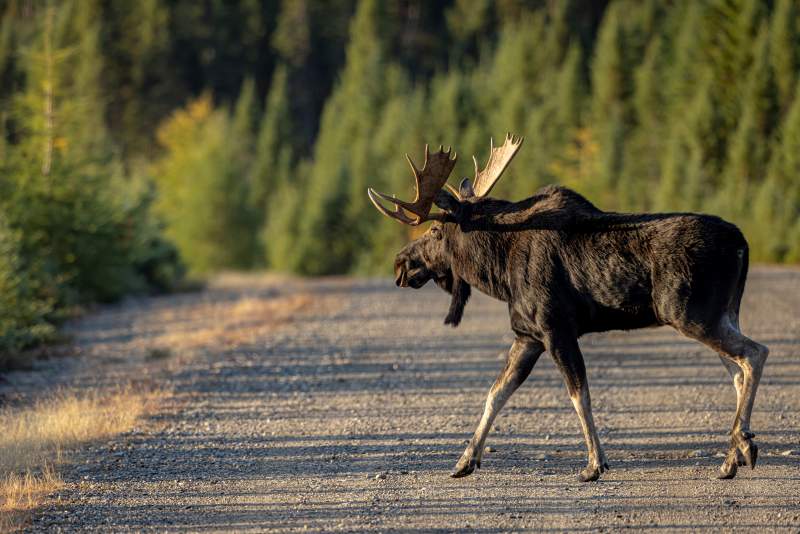
Picture this: it's a dark November evening on Highway 43 outside Grande Prairie Alberta, and a deer steps out of the ditch right into your headlights. Hitting a deer, moose or other animal near Grande Prairie is usually covered by optional comprehensive or all-perils coverage, minus your deductible. Here's the part that catches people off guard: Alberta's mandatory coverage alone won't pay to fix your own vehicle. Wildlife collisions are generally not treated as at fault, but if you swerve to avoid an animal and hit something else, the claim may fall under collision coverage instead. Western Financial Group can help you check your coverage and make sure you’re fully protected at the right price.
How common are wildlife collisions in Alberta?
Wildlife collisions are actually very common here, especially in rural areas like the Peace Country. According to the Alberta Motor Association (AMA):
- Wildlife collisions make up about half of all rural crashes in Alberta.
- About 80% involve deer.
- November is the peak month, during deer mating season.
- The riskiest hours are 7 p.m. to 11 p.m., and October through January is the highest-risk period overall.
- The average claim is about $8,000, making wildlife collisions some of the most expensive claims in the province.
The Government of Alberta also warns that animals are most active at dawn and dusk, and its Alberta Wildlife Watch program collects data on wildlife collisions to improve road safety.
Shorter days after the clocks change in November mean more driving in the dark, right when deer are most active. Think about leaving work at 5:30 p.m. and heading home in full darkness, with a farm field on one side and a tree line on the other. Highways around Grande Prairie, including Highway 43 and Highway 40, run through farmland and forest where deer and moose cross often.
Does car insurance cover hitting an animal in Alberta?
Usually covered by comprehensive coverage:
- Hitting a deer, moose, elk or other animal with your vehicle.
- An animal running into your parked car.
Usually covered by collision coverage instead:
- Swerving to avoid an animal and hitting a guardrail, tree, ditch or another vehicle. Because you didn't hit the animal, the claim is often handled as a collision and may be considered at fault. Picture braking hard, missing the deer, and ending up nose-first in the ditch. The deer walks away, but your insurer sees a collision.
Not covered:
- Damage to your own vehicle if you only carry mandatory coverage. Alberta's required coverage protects other people, not your car.
If you or a passenger is hurt, accident benefits apply. From January 1, 2027, injury claims in Alberta move to the Care-First system. For more on how animal claims work in general, read what happens to your car insurance if you hit an animal.
Will hitting a deer raise my insurance?
A wildlife collision under comprehensive is generally not treated as an at-fault claim, so it shouldn't count against you the way a collision would. Say a deer jumps out on your way home from a weekend trip to the lake: you didn't do anything wrong, and your record usually reflects that. That said, insurers look at your overall claims history, and several claims in a short period can still affect your premium. Ask your broker how your insurer handles it.
Not sure you're covered? Get a free, no-obligation quote and a Grande Prairie broker will check your comprehensive coverage and deductible.
What to do if you hit a deer or moose
- Pull over safely. Move off the road if you can, turn on your hazard lights and stay in your vehicle if traffic is heavy.
- Check for injuries and call 911 if anyone is hurt or the animal is blocking the road.
- Stay away from the animal. An injured deer or moose can be dangerous.
- Report it to police if anyone is injured or the damage is $5,000 or more. A moose collision often reaches that level. The Government of Alberta says to report wildlife collisions to the RCMP or local police, and to contact the nearest Fish and Wildlife office about an injured or dead animal on the road.
- Take photos of your vehicle, the scene and the animal if it's safe to do so. Fur or hair on the vehicle can help show the cause of damage.
- Call your broker or insurer as soon as you can.
How to avoid wildlife collisions around Grande Prairie
The AMA recommends:
- Scan the ditches, especially at night and near farmland or tree lines.
- Watch for yellow wildlife warning signs. They mark known crossing areas.
- Use high beams when it's safe, and keep headlights and windshield clean.
- Expect more than one. If you see one deer, others may follow.
- Slow down to give yourself time to brake.
- Brake firmly and stay in your lane. Swerving can send you into oncoming traffic or the ditch. If you can't stop for a large animal, steer toward its hindquarters rather than the direction it's moving.
Get more seasonal tips in our guide to winter driving in Grande Prairie.
Is comprehensive coverage worth it in the Peace Country?
For most drivers, yes. Comprehensive covers wildlife collisions, hail, theft, fire, vandalism and cracked windshields, all common risks in northern Alberta. With the average wildlife claim around $8,000, paying for the repair yourself can cost far more than the coverage. Imagine opening a repair bill the size of a used-car down payment because a deer crossed the road. If your vehicle is older and worth very little, ask your broker whether it still makes sense.
How a broker like Western Financial Group can help
Think of a Western broker in Grande Prairie as a friendly second set of eyes on your policy. They can confirm you have comprehensive coverage, explain your deductible in plain language, and compare prices from several insurers to help you save. If you do hit an animal, your broker can help you file your claim, answer questions about how it affects your policy, and stay with you through it.
It also helps to know who you're dealing with. Western Financial Group has protected more than one million Canadians and holds an A+ rating from the Better Business Bureau (BBB), which means customers can trust us to do right by them. In 2026, we also won a Canadian Business Excellence Award for Private Businesses and were named one of Insurance Business Canada's Top Insurance Employers. That means a lot to us, because it reflects the people who answer your calls and help you through a claim.
We care about the communities we call home, too. For 25 years, the Western Communities Foundation, Western's charitable arm, has supported charitable organizations across Canada through community grants, employee giving, volunteerism, bursary awards and emergency relief. Whether it's a bursary that helps a student pursue their education or relief for a community in crisis, we're proud to be part of it.
Wildlife collision insurance FAQs
Is hitting a deer considered an at-fault accident in Alberta?
Generally no. Hitting an animal is usually a comprehensive claim, which isn't treated as at fault.
What if I swerved to miss a deer and hit a tree?
That's usually a collision claim, because you didn't hit the animal. It may be treated as at fault.
Do I need to report hitting a deer to police in Alberta?
You must report a collision if anyone is injured or the damage is $5,000 or more. Your insurer may also ask for a police report.
Does mandatory Alberta car insurance cover hitting a moose?
No. Mandatory coverage won't repair your own vehicle. You need comprehensive or all-perils coverage.
When are wildlife collisions most common in Alberta?
November is the peak month, and the AMA says 7 p.m. to 11 p.m. is the most dangerous time.
How much does a wildlife collision cost?
The AMA says the average claim is about $8,000, though a moose collision can cost much more.
Talk to a local Western broker
Western Financial Group's Grande Prairie brokers can make sure your car insurance is ready for Peace Country roads. Compare options on our Grande Prairie car insurance page, or read how Grande Prairie car insurance rates work.
This article is general information only and isn't insurance, legal or financial advice. Coverage depends on your insurer and the wording of your policy. Talk to a licensed broker about your situation.