

 13,000+ Reviews | 4.5
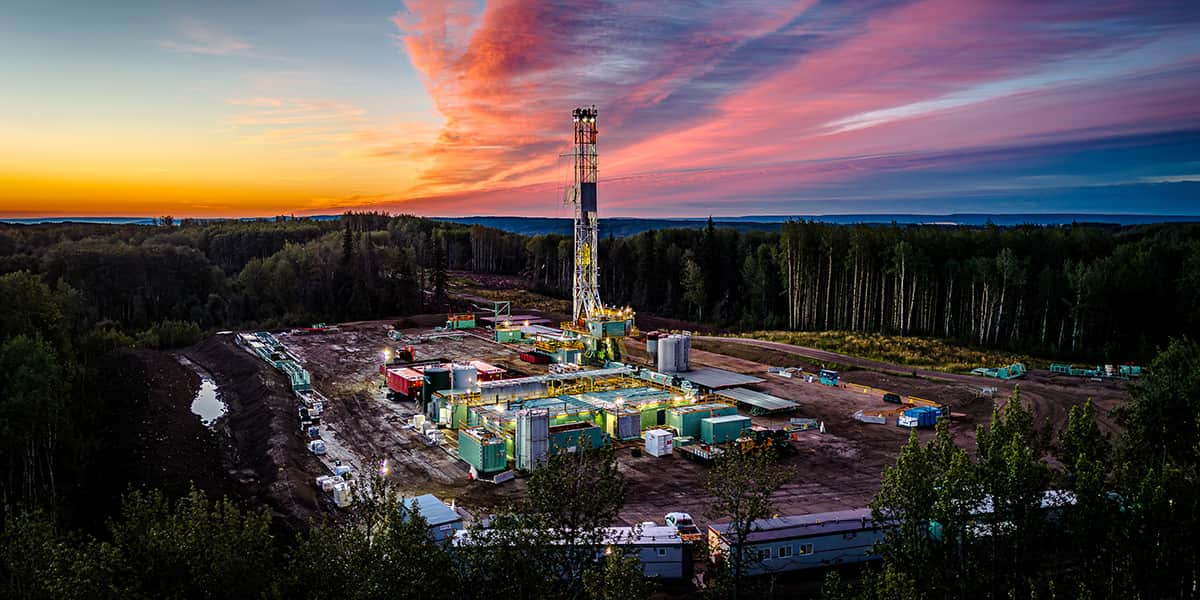
For contractors supporting Alberta’s energy sector, the workday can start long before the crew reaches the site. There are trucks to load, equipment to check, changing schedules to manage, and a client counting on you to be ready. If you’re comparing Contractor Insurance Alberta options, those everyday details matter. Your insurance should reflect where you work, the services you provide, and what a setback could mean for the business you’ve built.
A mobile welder near Grande Prairie, an instrument technician servicing facilities outside Red Deer, and a maintenance contractor travelling between sites around Fort McMurray may all work in energy. They don’t necessarily need the same insurance. The right conversation starts with what happens on a typical job, what falls outside the usual routine, and the responsibilities you’ve agreed to take on.
Why oilfield work needs a closer look
Energy service work often brings several exposures together: expensive equipment, active industrial sites, remote locations, and contracts with detailed insurance requirements. Even a small contractor may work around assets worth far more than their own tools or service truck. An incident can involve neighbouring equipment, another contractor’s operations, or a client’s production schedule.
Oil and Gas Contractors Insurance isn’t one standard policy that automatically covers every activity. It usually involves a combination of coverages selected for your operations. Tell your broker whether you perform maintenance, welding, inspections, excavation, hauling, or technical consulting, including services you only offer occasionally. A policy arranged for general contracting may include exclusions or restrictions that make it unsuitable for certain oilfield activities.
Liability protection starts with the work you do
Commercial general liability insurance may help respond to covered claims alleging your business caused bodily injury or property damage to someone else. That makes it an important starting point, but not the whole picture. Damage to property you’re working on, property in your care, and claims connected to completed work can raise different coverage questions. Your broker can explain how the policy addresses each situation.
Imagine a service crew carrying out repairs at a processing facility. If an incident damages nearby equipment, the resulting claim could be quite different from the cost of correcting the crew’s own work. Insurance doesn’t automatically pay to redo faulty workmanship or meet every contractual promise. Understanding those boundaries helps you see what protection is in place before a client asks a difficult question.
If your business provides inspections, design, supervision, or technical recommendations, ask about professional liability, also called errors and omissions insurance. A claim involving alleged mistakes in advice or reporting may not fit a general liability policy. The coverage needed depends on your professional services and the types of loss the policy is designed to address.
Pollution coverage deserves its own conversation
You don’t have to operate a well to face an environmental exposure. Fuel, hydraulic fluids, chemicals, and other materials can be part of a contractor’s daily work. A release during servicing or transportation could lead to cleanup costs and claims involving neighbouring property. Don’t assume a general liability policy provides broad pollution protection; exclusions and limited extensions can make a significant difference.
Picture a maintenance contractor handling equipment containing fluids at a rural site. If a leak affects surrounding soil, the insurance questions may include where the release happened, how it developed, and who is responsible for cleanup. Contractors’ pollution liability or other environmental coverage may help with eligible claims, depending on its terms. Ask specifically about work at client sites, materials in transit, cleanup expenses, and reporting requirements rather than relying on the word pollution in a policy summary.
Protecting the equipment that earns your income
For many oilfield service businesses, the most important equipment doesn’t stay in a shop. Welders, generators, diagnostic tools, compressors, and specialized attachments travel between the yard, the road, and the job site. Contractors’ equipment coverage can help protect listed or otherwise insured equipment against covered losses, subject to limits, deductibles, and conditions.
A stolen service trailer can mean more than replacing the trailer itself. You may need to source specialized tools, arrange rentals, and explain why a scheduled job can’t go ahead. Keep an up-to-date inventory with values and identifying details, and ask how coverage applies to equipment in transit, left at remote sites, or rented from someone else. Ordinary wear, mechanical breakdown, and lost income aren’t necessarily included in equipment protection.
Your vehicles need their own review, too. Tell your broker how trucks are used, who drives them, what they carry, and where they travel. Commercial auto insurance and coverage for tools or permanently attached equipment need to work together. Don’t assume insuring the truck means everything inside or mounted on it has the protection you expect.
Read the insurance requirements before signing
Getting approved for a project often means providing evidence of insurance. An operator or general contractor may request specific liability limits, additional insured status, or other policy terms. Those requirements should be reviewed before work begins, not when your crew is waiting for site access. Send the relevant contract documents to your broker early so there’s time to discuss what your insurance can accommodate.
A certificate of insurance provides evidence of coverage; it doesn’t change the policy or guarantee that every contractual obligation is insured. Some promises to indemnify another party can go beyond available coverage. Your broker can review the insurance provisions, while legal counsel can advise on the wider contract. If you hire subcontractors, ask how their work affects your own insurance and what documentation you should obtain from them.
Plan for the interruption, not just the repair
If a covered fire damages your shop, replacing equipment may be only the first step. Finding temporary space, sourcing parts, and reorganizing jobs can take time. Business interruption or extra expense coverage may help with eligible income losses and additional costs, but the trigger, waiting period, and restoration terms matter. A client’s delayed project or a slowdown in energy activity isn’t automatically an insured interruption.
When reviewing Oilfield Services Insurance, think through how you would keep operating if a key vehicle, tool, or workspace became unavailable. Could you rent a replacement? How long would specialized equipment take to arrive? Which costs would continue? Those practical questions help your broker understand what recovery would look like for your business, rather than simply the value of the damaged property.
Local understanding, with support beyond the job site
Western Financial Group helps oilfield businesses explore coverage through multiple insurance providers, with brokers who understand the sector’s specialized needs. Western has earned Canadian Business Excellence recognition in 2025 and 2026 and was named one of Insurance Business Canada’s Top Insurance Employers for 2025. Western also holds an A+ rating from the Better Business Bureau (BBB). For your business, that relationship starts with clear advice and an understanding of the work you do.
The commitment to local communities extends beyond insurance. The Western Communities Foundation, Western’s charitable arm, has invested more than $2.6 million in community infrastructure, supporting over 540 initiatives across Canada. Its grants help create and improve shared spaces where people can gather and connect. For contractors who spend their working lives helping build and maintain essential infrastructure, that focus on stronger communities is a familiar one.
Before your next renewal or project bid, bring your broker a current equipment list, revenue estimates, service descriptions, claims history, and contract requirements. Mention new activities before you start them. Learn more about insurance for oil & gas companies, or speak with a Western business insurance broker about coverage that fits your next job and the business behind it.
Frequently asked questions
What insurance do Alberta oilfield service contractors need?
Depending on your operations, consider commercial general liability, pollution liability, tools and equipment, commercial auto, and professional liability coverage. Property and business interruption coverage may also be relevant. Your services and client contracts help determine the right combination; not every contractor needs the same package.
Does general liability insurance cover pollution claims?
Not necessarily. General liability policies can contain pollution exclusions or limited extensions. Ask your broker whether separate environmental coverage is appropriate and how it addresses cleanup, third-party claims, transportation, and work performed at client sites.
Do independent oilfield consultants need professional liability insurance?
It may be important if you provide advice, inspections, design, reporting, or supervision. Professional liability insurance can address eligible claims alleging errors or omissions in those services. A client may also require it. General liability and professional liability address different exposures, so review both with your broker.
What affects the cost of oilfield contractor insurance?
Your activities, revenue, experience, claims history, equipment values, vehicles, and work locations can influence pricing. Requested limits, deductibles, and contract requirements also matter. Compare the protection and exclusions alongside the premium rather than assuming the least expensive quote offers equivalent coverage.
Should I speak with my broker before accepting a new energy contract?
Yes. Share the insurance requirements and explain the work, locations, and any new responsibilities. Your broker can identify whether policy changes are needed before the job begins. Seek legal advice on contractual obligations that go beyond insurance, including indemnity provisions.