


 13,000+ Reviews | 4.5
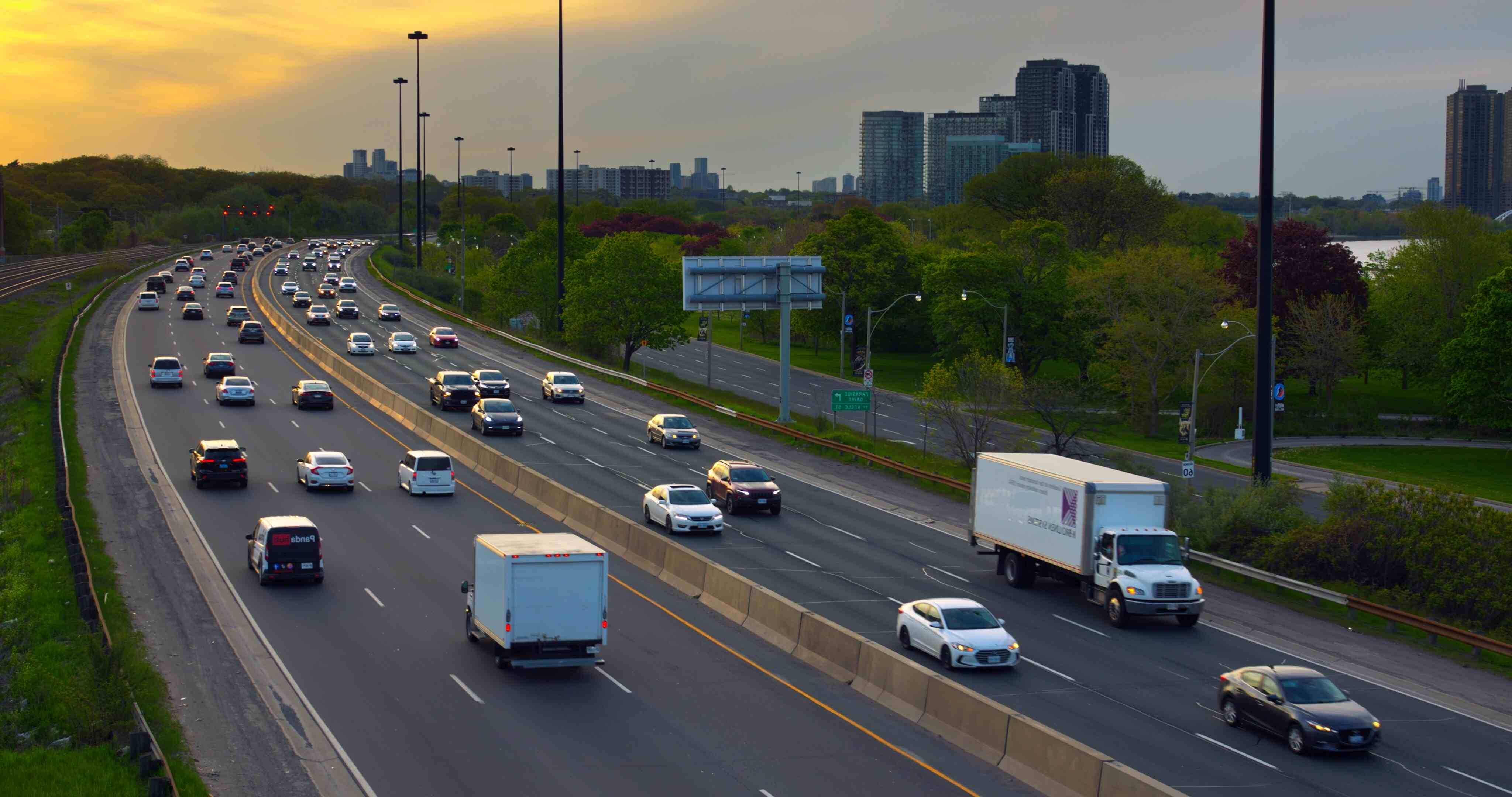
The Ontario auto insurance market is one of the largest and most competitive insurance markets in Canada. With a population of approximately 16 million residents, Ontario accounts for roughly 40% of all licensed drivers in Canada.
More than 10.5 million Ontarians hold a valid driver's licence, representing approximately 65% of the province's population. The largest concentration of drivers is located within the Greater Toronto Area (GTA), including cities such as Toronto, Mississauga, Brampton, Markham, and Vaughan.
Ontario also has approximately 11 million insured vehicles, creating a substantial market opportunity for insurers and insurance brokers across the province.
Ontario Auto Insurance Market Size
|
Metric |
Estimate |
|
Population |
~16 million |
|
Licensed Drivers |
~10.5–10.6 million |
|
Share of Canadian Drivers |
~40% |
|
Insured Vehicles |
~11 million |
|
Average Annual Premium |
$1,600–$2,000 |
|
Estimated Annual Market Size |
$17.6B–$22.0B |
Why the Ontario Government Introduced Auto Insurance Reforms
Ontario has some of the highest auto insurance premiums in Canada, particularly in GTA regions such as Scarborough, Brampton, and Mississauga. Many policyholders feel they are paying for coverages and benefits they may never use. As affordability continues to be a concern for many households, rising insurance costs have put additional pressure on consumers' budgets.
Another key reason for the reforms is the increasing cost of claims and healthcare services. Accident benefits coverage represents a significant portion of Ontario auto insurance policies, and the costs associated with the following have continued to rise:
- Medical treatment
- Rehabilitation
- Attendant care
- Legal disputes
- Fraudulent claims
Additionally, the new reforms provide drivers with greater flexibility and choice. Rather than requiring all drivers to purchase the same level of coverage, consumers can now select coverage options that better align with their individual needs, risk tolerance, and budget. This allows drivers to customize their policies and make more informed decisions about the protection they want to maintain.
Ontario Auto Insurance Reforms 2026: What Drivers Need to Know
Ontario's auto insurance system is undergoing one of its most significant changes in years. The reforms are designed to give drivers more flexibility in choosing coverage while helping address affordability concerns in a market that insures approximately 11 million vehicles and serves more than 10.5 million licensed drivers.
For many Ontario drivers, the reforms will create new opportunities to customize their policies. However, they also place greater responsibility on consumers to understand what coverage they have and what protection they may be giving up.
Why Were the Reforms Introduced?
Ontario has long had some of the highest auto insurance premiums in Canada, particularly in the Greater Toronto Area (GTA), including cities such as Toronto, Brampton, Mississauga, Markham, and Scarborough.
Several factors have contributed to rising premiums:
- Increasing accident claim costs
- Higher healthcare and rehabilitation expenses
- Legal costs associated with claims
- Insurance fraud
- Vehicle repair costs due to advanced technology
- Inflation affecting labour and parts
The government's goal is to provide drivers with more options rather than requiring everyone to purchase the same level of accident benefits coverage.
What Is Not Changing?
Many drivers assume the reforms eliminate mandatory auto insurance altogether. This is not the case. Auto insurance remains mandatory in Ontario, and drivers must still carry the legally required coverages. However, the reforms introduce greater flexibility and choice by allowing consumers to customize certain accident benefits and optional coverages based on their individual needs, financial situation, and risk tolerance.
Drivers must still carry:
- Third-party liability coverage
- Direct Compensation Property Damage (where applicable)
- Uninsured automobile coverage
- Mandatory accident benefits (minimum required coverage)
Insurance remains mandatory in Ontario.
What Is Changing?
The primary change involves accident benefits coverage.
Previously, most drivers automatically received a standard package of benefits. Under the reforms, drivers may have additional opportunities to:
- Customize coverage levels
- Remove certain optional benefits
- Increase or decrease protection based on personal circumstances
- Align insurance with existing workplace or private benefits
This creates more flexibility but also requires consumers to understand the consequences of reducing coverage.
Understanding Accident Benefits
Accident benefits can help pay for expenses after an accident regardless of who was at fault.
These benefits may include:
Medical and Rehabilitation Benefits
Coverage for:
- Physiotherapy
- Chiropractic treatment
- Occupational therapy
- Medical equipment
- Rehabilitation programs
Attendant Care Benefits
Coverage for assistance with daily activities if injuries prevent a person from caring for themselves.
Income Replacement Benefits
Provides partial income replacement if an injured person cannot work due to accident-related injuries.
Caregiver Benefits
Provides financial assistance if an injured person can no longer perform caregiving responsibilities.
Death and Funeral Benefits
Financial support for surviving family members after a fatal accident.
Example: New Driver
Sarah, Age 18
Profile
- Newly licensed
- First vehicle
- Lives in Brampton
- No employer benefits
- No significant savings
Risks
Sarah has:
- Limited driving experience
- Higher statistical accident risk
- No alternative disability coverage
Recommended Consideration
Keeping stronger accident benefits coverage may be beneficial because:
- She lacks workplace disability benefits
- Medical costs could create financial hardship
- She has limited financial resources to absorb unexpected expenses
Outcome
Sarah may pay a higher premium but receives stronger protection in the event of a serious accident.
Example: Experienced Driver
Michael, Age 45
Profile
- 25 years of driving experience
- Clean driving record
- Lives in Markham
- Employer disability coverage
- Comprehensive health benefits
Risks
Michael already has:
- Long-term disability insurance
- Extended healthcare coverage
- Emergency savings
Recommended Consideration
Michael may review accident benefits and determine whether some coverage overlaps with existing protection.
Outcome
Potential premium savings while maintaining sufficient protection.
Example: Family with Teen Drivers
The Singh Family
Profile
- Two parents
- Two vehicles
- One newly licensed teenager
Challenge
Teen drivers often increase household insurance costs significantly.
Strategy Under the Reforms
The family can:
- Review accident benefits carefully
- Compare coverage options across insurers
- Bundle home and auto insurance
- Explore telematics or usage-based insurance programs
Outcome
Potential savings while maintaining protection for higher-risk drivers.
Example: Retired Driver
Linda, Age 68
Profile
- Retired
- Drives occasionally
- Owns vehicle outright
- Limited annual mileage
Considerations
Linda may:
- Review coverage needs annually
- Evaluate optional coverages
- Consider low-mileage insurance programs
Outcome
Coverage better aligned with actual driving habits.
How to Shop for Insurance Under the New Reforms
Step 1: Review Existing Coverage
Understand:
- Current premium
- Coverage limits
- Deductibles
- Optional endorsements
Many drivers don't know what their current policy includes.
Step 2: Understand Your Benefits
Ask yourself:
Do I have:
- Employer health insurance?
- Long-term disability insurance?
- Short-term disability insurance?
- Group benefits through work?
- Personal savings for emergencies?
These factors can influence coverage decisions.
Step 3: Compare Multiple Quotes
Obtain quotes from several insurers.
Compare:
- Premium
- Coverage limits
- Deductibles
- Accident benefits
- Claims service reputation
The cheapest policy is not always the best value.
Step 4: Bundle Policies
Many insurers offer discounts for combining:
- Auto insurance
- Home insurance
- Condo insurance