

 13,000+ Reviews | 4.5
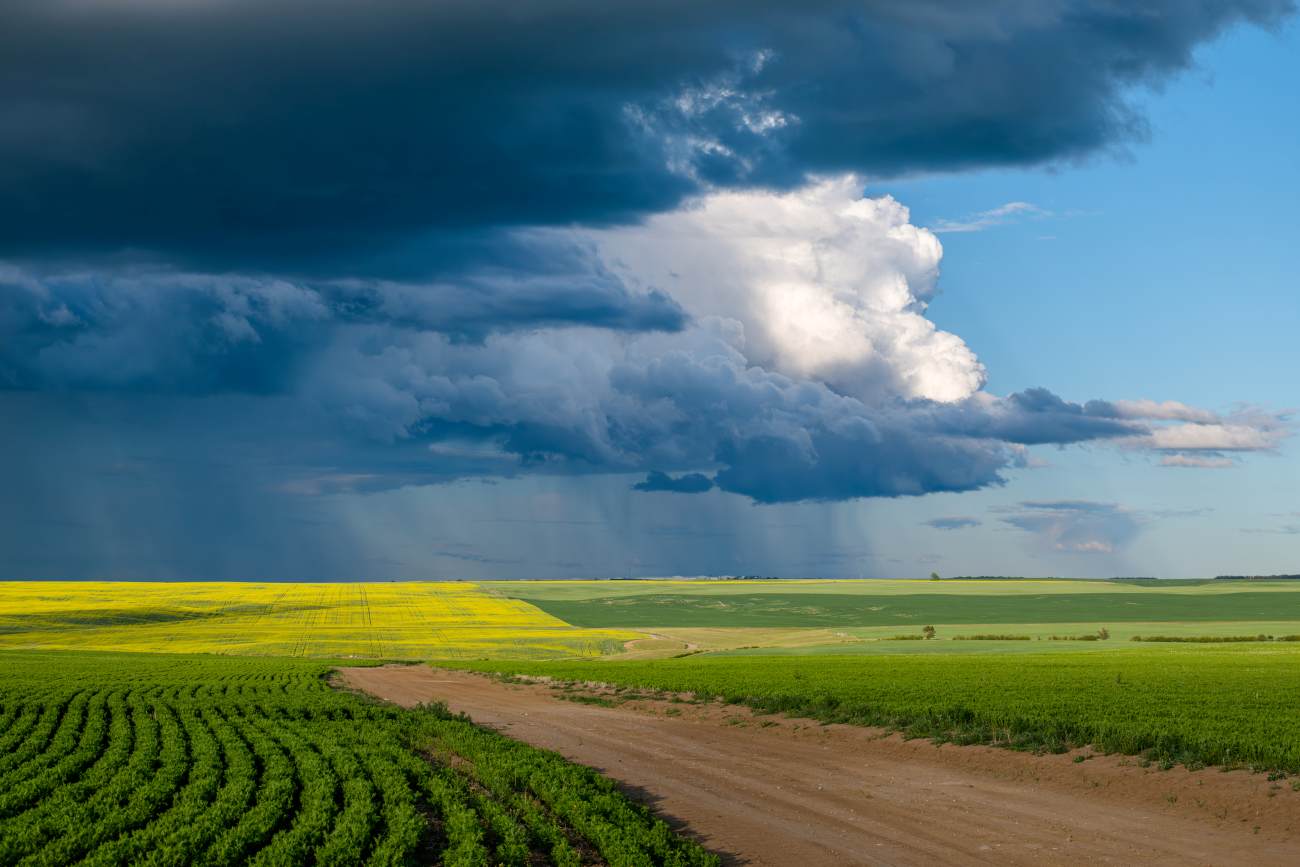
In the insurance industry, we see firsthand how extreme weather is reshaping the risks our customers and communities face. Wildfires, flooding, and longer‑term environmental changes, such as the erosion of wetlands, floodplains, and coastal regions, are only some of the events affecting Canadians. For rural communities, these changes often have a direct impact on daily life.
As these risks grow, national efforts to repair damaged landscapes are expanding to help protect the places we call home.
Across Canada, post‑wildfire restoration work is underway after several historic wildfire seasons.
In 2025, more than 8.3 million hectares burned nationally, forcing evacuations of more than 85,000 people, including over 45,000 from Indigenous communities. Major tree‑planting efforts in places like Mistehae Lake in Alberta and the Chilcotin District in British Columbia, where millions of trees are being replanted through long‑term recovery plans. Many of these efforts are strengthened by Indigenous leadership, combining traditional knowledge with modern science to heal forests and biodiversity.
Restorations of Floodplains
Wetlands, floodplains, and watersheds are also essential natural infrastructure, especially in rural and agricultural regions. These systems reduce flood risk, filter water, and support local wildlife. Restoration projects across the Prairies and Eastern Canada are improving water quality and reducing flood impacts in nearby communities
In coastal regions of British Columbia and the Maritimes, marine restoration is gaining momentum. Kelp forests are being restored to protect shorelines, support fisheries, and improve carbon absorption. Kelp absorbs carbon up to 30 times faster than land-based forests, making it an important tool in climate resilience and coastal protection.
Restoration projects across Canada help strengthen the natural systems that support rural communities. They also remind us that changes to forests, wetlands, and coastlines can influence local risks in ways that are easy to overlook.
What it means for your insurance
Understanding how your local environment is changing can also help you stay prepared. If you’re wondering how these risks might affect your home, farm, or business, your local insurance broker is ready to help. They know your community, understand your needs, and help you find the protection that fits your region's realities.