


 13,000+ Reviews | 4.5

Wildfires, extreme weather events, and climate-related disruptions are becoming a more visible part of life, as evidenced by recent activity in Central British Columbia, Manitoba, and Northern Ontario. For many people, these changes can bring feelings of worry, stress, or uncertainty about the future.
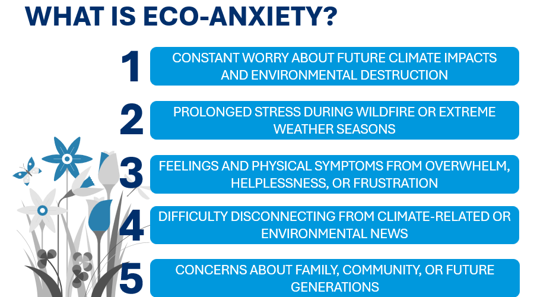
Climate-related stress is becoming an increasingly recognized mental wellbeing concern in Canada. As communities experience more frequent wildfires, floods, extreme heat events, and other climate-related disruptions, many Canadians are reporting heightened concerns about the impacts of climate change on their families, communities, and future quality of life for themselves and their children. These feelings can range from general seasonal concerns to more significant anxiety that impacts daily wellbeing and functioning.
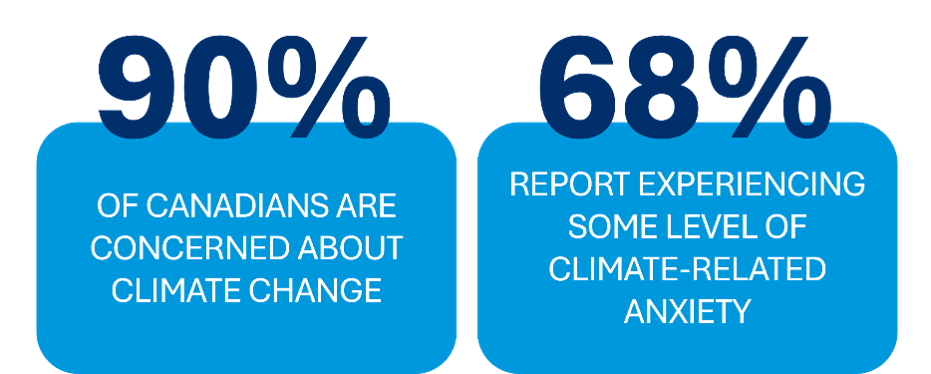
Canadian researchers found that climate concern is widespread, with approximately 90% of Canadians reporting concern about climate change and 68% experiencing some level of climate-related anxiety or eco-anxiety. Researchers estimate that nearly one million Canadians experience climate-change anxiety severe enough to impact sleep, concentration, or everyday activities.
While the impacts of climate change can affect anyone, research suggests certain groups may be more vulnerable to experiencing climate-related distress. Young people, vulnerable women, individuals with pre-existing mental health conditions, communities in high climate-risk areas, low-income or high financial stress individuals and families, and Indigenous Peoples are among those who may experience heightened emotional impacts. There are also many people whose livelihoods are affected by wildfires, flooding, extreme heat, or other climate-related events such those working in agriculture, forestry, fishing, emergency response, and healthcare.
As awareness of these impacts continues to grow, conversations around climate resilience are evolving as well. Climate impacts should be viewed by both a physical and human lens through recognizing that communities must be prepared not only to withstand and rebuild from the aftermath of extreme weather, but also to support the emotional and psychological wellbeing of those affected. For employers, this presents an opportunity to consider how workplace supports can contribute to overall resilience during periods of change.
Climate Resilience and Employee Wellbeing
Climate-related events tend to have an indirect impact on employees, even when they are not personally affected by a disaster. Continuous exposure to climate-related news, concerns about family members in impacted regions, disruptions to travel and daily routines, and uncertainty about the state of their future local environment can contribute to ongoing stress. Recognizing these broader impacts can help organizations better understand the evolving wellbeing needs of their workforce.
One often overlooked aspect of resilience is mental health. Just as individuals and businesses prepare for natural catastrophes, it is equally important to support emotional wellbeing. Access to the right resources can help people manage stress, build coping strategies, and maintain a sense of balance and control when facing challenging circumstances.
For employers, this highlights the importance of offering a well-rounded employee benefits program that supports both physical and mental health. Each employee experiences stress differently and there is no single solution that works for everyone. A combination of core benefits, access to counselling or virtual care services, and Employee Assistance Programs (EAPs) can help create a more resilient workforce. Providing multiple pathways in your program can help ensure that your employees can access care in a way that best meets their needs through periods of uncertainty.
Organizations that proactively promote mental health resources may also help reduce barriers to seeking support, strengthen overall employee wellbeing, and foster a culture of resilience as we all adjust to a changing world.
Interested in strengthening your employee benefits program? Contact our team to learn how a comprehensive benefits strategy can help support the wellbeing of your employees and their families.