


 13,000+ Reviews | 4.5
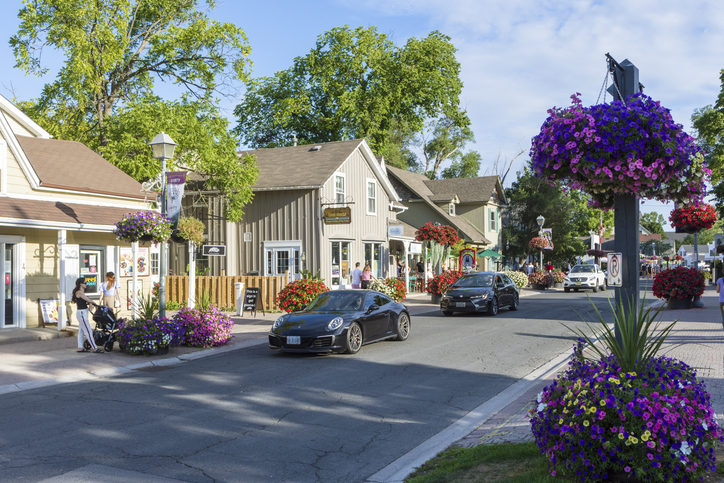
Nestled in the heart of York Region, Newmarket offers a perfect blend of historic charm, bustling modern amenities, and beautiful natural spaces like Fairy Lake. Whether you own a century home near historic Main Street, a newly built suburban house, or a modern condominium, your home is likely one of your most significant financial investments. Protecting that investment requires a solid understanding of the local insurance landscape.
Navigating the market for Home Insurance Newmarket Ontario doesn't have to be overwhelming. By breaking down the specific coverages, regional risks, and cost-saving strategies, you can confidently protect your property and your peace of mind. This comprehensive guide will walk you through everything you need to know about securing the right protection for your Newmarket home.

The Core Components of Your Home Insurance Policy
To make informed decisions about your coverage, it is crucial to understand what a standard policy actually does. A well-structured policy goes far beyond just protecting the physical structure of your house.
Dwelling and Personal Property Coverage
At its foundation, your insurance policy protects the physical structure of your home (the dwelling) and the belongings inside it (personal property). If a fire, severe windstorm, or theft occurs, this coverage ensures you have the financial backing to repair your home and replace your furniture, electronics, and clothing.
When setting up your coverage limits, you will face an important choice regarding how your payouts are calculated. Understanding replacement cost vs actual cash value is critical.
-
Replacement Cost: This covers the cost to replace your damaged items with brand-new equivalents of similar kind and quality, without deducting for depreciation.
-
Actual Cash Value: This factors in depreciation. If your five-year-old television is destroyed, actual cash value will only pay out what a five-year-old television is worth today, which is likely not enough to buy a new one. Opting for replacement cost offers vastly superior protection.
Liability and Additional Living Expenses
Another crucial, yet often overlooked, component is personal liability protection for homeowners. If a guest slips on your icy driveway during a harsh Newmarket winter and sustains an injury, or if your dog bites a neighbor, you could be held legally and financially responsible. Liability coverage protects you against these lawsuits, covering legal fees and settlement costs up to your policy limit.
Additionally, if a covered peril forces you out of your home while it is being repaired, your policy’s "Additional Living Expenses" (ALE) section will cover hotel bills, restaurant meals, and other costs associated with living away from home.
Choosing the Right Level of Coverage
Not all policies are created equal. When gathering home insurance quotes, you will typically choose between different tiers of coverage. The most common debate among homeowners centers around comprehensive vs broad form insurance policies.
Comprehensive Form
A comprehensive policy is the highest level of protection you can buy. It is an "all-risk" policy, meaning that it covers both the physical structure of your home and your personal belongings against all perils—except for those explicitly excluded in the policy text (such as wear and tear, intentional damage, or unendorsed flood damage).
Broad Form
A broad form policy acts as a middle ground. It provides "all-risk" coverage for the physical structure of your home, but it only provides "named perils" coverage for your personal belongings. This means your belongings are only protected against specific events explicitly listed in the policy, such as fire, theft, or vandalism. If an event is not listed, your items are not covered. For maximum peace of mind, most insurance experts recommend comprehensive coverage.
Evaluating Costs: What You Should Expect to Pay
Budgeting for insurance requires a realistic look at the local market. While prices fluctuate based on the economy and local claims data, the average annual premium for Newmarket homeowners typically ranges from $900 to $1,500. However, this is just a benchmark.
If you are wondering what factors affect property insurance quotes, insurers look at a detailed matrix of variables:
-
Age and Condition of the Home: Older homes, particularly those with aging roofs or outdated electrical systems (like knob and tube wiring), are viewed as higher risk.
-
Location and Proximity to Fire Services: How close you are to a fire hydrant and the nearest Newmarket fire station plays a role in your rate.
-
Home Upgrades: Recent updates to your plumbing, heating, and roof can significantly lower your premiums.
-
Your Claims History: Homeowners with a track record of frequent claims will naturally see higher rates than those who have been claims-free for years.
Managing Environmental Risks in York Region
Ontario's climate is changing, resulting in more severe weather events. Insurers rely heavily on York Region weather and environmental risk assessments to determine the likelihood of storm damage, freezing, and flooding in your specific postal code.
Protecting Against Water Damage
Water is currently the leading cause of property damage claims in Canada, surpassing fire. Standard home insurance policies usually cover sudden and accidental water damage, such as a burst indoor pipe. However, they do not automatically cover water entering from the outside.
To fully protect your home, you must look into water damage and overland flood coverage Ontario endorsements. Overland water coverage protects you if heavy spring rains or rapid snowmelt cause water to enter your home through windows or doors.
Equally important is sewer backup protection for Newmarket basements. If the municipal sewer system becomes overwhelmed during a torrential downpour, wastewater can reverse direction and flood your basement. Without a specific sewer backup endorsement, you will be left paying for this incredibly costly and unhygienic cleanup entirely out of pocket.
Special Considerations for Unique Properties and Situations
Newmarket’s diverse real estate market means that a one-size-fits-all approach to insurance simply does not work. Different types of properties require highly specialized coverage.
Historic and Heritage Homes
If you own a stunning century home near downtown Newmarket, standard coverage might not suffice. Newmarket heritage home insurance requirements are unique because repairing a historic home often requires specialized craftsmanship and hard-to-find, historically accurate materials. Your policy must reflect the true cost of rebuilding a heritage property, which is often significantly higher than rebuilding a modern subdivision home.
Luxury Estates
For residents in affluent neighborhoods like Stonehaven, standard policy limits on personal belongings may fall short. Securing high-value home coverage for Newmarket estates ensures that custom architectural features, high-end appliances, and expensive collections (such as fine art, wine, or jewelry) are adequately protected. These specialized policies often include higher limits, customized claims handling, and identity theft protection.
Renters Need Protection Too
Insurance isn’t just for property owners. If you are leasing a basement apartment or renting a condo near Upper Canada Mall, your landlord’s insurance covers the building, but it does absolutely nothing for your personal belongings. Purchasing tenant insurance for Newmarket renters is highly affordable—often costing less than $25 a month—and provides essential coverage to replace your electronics, furniture, and clothing in the event of a fire or theft. Most importantly, it includes personal liability coverage, protecting you if you accidentally cause damage to the rental unit or a neighboring apartment.
Finding the Right Insurance Provider
When you are ready to purchase a policy, you have two primary avenues: buying directly from an insurance company or using a broker. Comparing local insurance brokers vs direct writers can help you determine the best fit for your needs.
-
Direct Writers: These are insurance companies that sell their own policies directly to the consumer, often via phone or online portals. The advantage here is a streamlined process, and sometimes lower base rates since there is no middleman. However, you are limited strictly to the products that one specific company offers.
-
Local Insurance Brokers: A broker works for you, not the insurance company. They can pull quotes from multiple different insurance providers to find the most competitive rate and coverage package. A local Newmarket broker also brings invaluable knowledge of regional risks and can act as an advocate on your behalf if you ever need to file a complex claim.
Strategies to Save Money on Your Policy
Everyone wants affordable home insurance, but sacrificing coverage for a lower price is a dangerous game. Fortunately, there are smart ways to lower your costs without leaving yourself vulnerable. Here is how to reduce premiums in York Region while maintaining excellent protection:
-
Leverage Multi-Line Discounts: The single most effective way to save is by bundling home and auto insurance savings.
-
Increase Your Deductible: Your deductible is the amount you pay out of pocket before your insurance kicks in. By raising your deductible from $500 to $1,000 or $2,500, you take on slightly more minor risk, which signals to the insurer that you won't file trivial claims. This can significantly lower your annual premium.
-
Invest in Security and Safety: Homes monitored by central alarm systems for burglary and fire are less risky to insure. Similarly, installing water leak detection systems with automatic shut-off valves can yield substantial discounts, especially given the prevalence of water damage.
-
Upgrade Aging Systems: If you live in an older Newmarket home, upgrading an old roof, replacing outdated electrical panels, or installing modern PVC or copper plumbing can instantly make your home cheaper to insure.
-
Maintain a Good Credit Score: In Ontario, many insurance companies use credit scores as a factor to determine your home insurance premium. A strong credit history can unlock additional "soft check" discounts.
By applying these home insurance tips, you can keep your monthly expenses manageable while retaining a robust safety net.
Navigating the Claims Process
Even with the best preparation, accidents happen. Whether a severe winter ice storm damages your roof or a pipe bursts while you are at work, knowing the steps to file a property damage claim will make a stressful situation much smoother.
-
Ensure Safety First: If a fire or severe structural damage occurs, evacuate the property and ensure your family is safe. Call emergency services immediately.
-
Mitigate Further Damage: Once it is safe to do so, take reasonable steps to prevent the damage from getting worse. If a pipe bursts, shut off the main water valve. If a window breaks, board it up. Do not throw away damaged items yet, but move them out of standing water if possible.
-
Document Everything: Before moving any debris or beginning cleanup, take extensive photos and videos of the damage. Document both the structural damage to your home and the destruction of personal property. This visual evidence is vital for your insurance adjuster.
-
Contact Your Insurance Provider Promptly: Call your broker or your insurer's 24/7 claims hotline as soon as possible. Be prepared to provide your policy number, a detailed description of the incident, and a preliminary list of damaged items.
-
Work with the Adjuster: The insurance company will assign an adjuster to investigate the claim, evaluate the damage, and determine the payout based on your policy limits. Be cooperative, provide your documentation, and don't hesitate to ask questions if you don't understand how a settlement figure was reached.
-
Keep Receipts for Living Expenses: If the damage forces you to relocate temporarily, keep every receipt for hotels, meals, and extra transportation costs so you can be reimbursed under your Additional Living Expenses coverage.
Conclusion
Securing the right property coverage is about far more than just fulfilling a mortgage requirement; it is about safeguarding your family's financial future. Whether you need comprehensive protection for a sprawling estate, specialized considerations for a heritage home, or basic coverage for a rental unit, taking the time to understand your options pays off immensely.
By familiarizing yourself with regional risks like overland flooding and sewer backups, evaluating the benefits of replacement cost coverage, and utilizing smart saving strategies like bundling your policies, you can navigate the insurance market with total confidence. Review your policy annually, consult with local experts, and rest easy knowing your Newmarket home is fully protected against whatever the future may hold.