

 13,000+ Reviews | 4.5
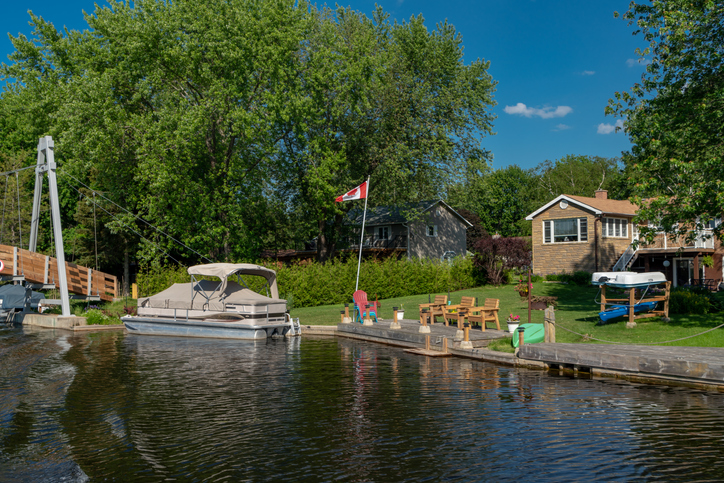
Waterfront cottage insurance in Ontario helps protect a seasonal or secondary property, its contents and your liability, subject to the coverage you select. The right policy depends on how you use it, how it is accessed and which risks the insurer agrees to cover. This article explains the water coverage, property limits and ownership details to review before choosing a policy.
Choose coverage that fits how you use your Ontario cottage
Your insurance should reflect actual occupancy and use, whether that means seasonal property coverage, secondary-home coverage or insurance suitable for a full-time residence. Being beside a lake does not automatically determine the policy type. Insurers also consider winterization, access and how regularly someone occupies the property.
Start by describing a typical year at your cottage. Do you close it after Thanksgiving, visit throughout winter or live there continuously? Share those details rather than simply calling it a four-season cottage, because a winterized building and a regularly occupied home are not necessarily the same insurance risk.
Your insurer may allow you to add another location to your existing home policy, or you may need separate coverage. Either way, do not assume your principal residence policy automatically insures another property you own. Confirm that the address, use and required protection appear in your insurance documents.
Build coverage around the whole property
Cottage insurance in Ontario should be reviewed beyond the main building. Contents, detached structures and liability may have different limits or require optional protection. Theft and vandalism also deserve attention: they are not automatically included in every seasonal policy.
Use this property inventory to guide the discussion:
- Main cottage: Describe its size, construction, heating system and recent upgrades so the rebuilding estimate reflects the building.
- Detached structures: Identify sheds, bunkies, garages and boathouses individually; ask whether the available limit is shared.
- Contents: Include furniture, appliances, tools and recreational equipment, then flag higher-value items for a separate limits discussion.
- Liability: Confirm protection for covered claims involving injuries or damage to someone else's property, rather than focusing only on physical damage to your cottage.
Next, check whether the policy covers named perils or provides broader protection. Named-perils coverage responds only to causes of loss listed in the contract; broader coverage still has exclusions. Ask for plain-language examples of what would and would not be covered at your property.
Does waterfront cottage insurance cover flooding?
Not necessarily. Standard property insurance typically does not include overland flooding, and having some water damage coverage does not mean every source of water is insured. Optional flood protection may be available, but eligibility and terms depend on the property's risk and the insurer.
Separate the conversation into three categories:
- Sudden internal water damage: A plumbing leak may be treated differently from water entering from outside. Seasonal policy terms still need checking.
- Sewer or drain backup: This commonly requires optional coverage; ask which backup events the endorsement includes.
- Overland flooding: An overflowing lake or river is a different exposure from a burst indoor pipe. Confirm whether the cottage qualifies and what limits and deductible apply.
For waterfront home insurance, ask the broker to explain how the wording applies to your shoreline. Describe previous water entry and the building's position relative to the water. Request written clarification about lake overflow, groundwater, wave action, ice movement and erosion rather than treating water coverage as a blanket promise.
If flood coverage is unavailable, identify that gap before choosing the policy. A useful quote comparison should make uninsured exposures visible, not simply show a premium and a coverage total.
Give docks, boathouses and boats separate attention
A dock or boathouse may qualify for protection, but coverage depends on the wording and applicable limits. Being listed as an insured structure does not mean every cause of damage is covered. Ask specifically how the policy handles ice movement and wave damage, rather than assuming storm coverage answers both questions.
Bring photographs and a description of each waterfront structure to the insurance discussion. Ask whether a floating dock, a fixed dock and a boathouse are treated differently, and whether seasonal removal affects any requirements. These questions help establish what the quote actually includes.
Boats and personal watercraft need their own review. Limited watercraft protection may be available through a property policy, but do not assume it covers every craft or boating liability exposure. Have your broker assess whether separate boat insurance is appropriate.
Match winter precautions to the policy
Long periods away can affect coverage. Frozen plumbing, unnoticed leaks and maintenance-related damage may be excluded or subject to specific conditions. Before leaving for the season, obtain the insurer's requirements for heating, draining plumbing and property checks.
Build your closing routine around those requirements:
- Confirm the plumbing plan: Ask whether water must be shut off and pipes drained, or whether maintained heat and inspections are acceptable.
- Arrange required checks: Establish who will attend, how often and what they must verify; do not rely on a neighbour's informal availability.
- Document precautions: Keep a dated record of winterization, inspections and maintenance so you can explain what was done if a claim arises.
Ask before substituting remote temperature alerts or leak sensors for physical visits. Security and monitoring can help manage risk, but the arrangement still needs to satisfy your insurer. Get clarification before changing your routine.
How do rentals change cottage insurance?
Renting to guests can change both eligibility and coverage, even when rentals are occasional. Tell the insurer before accepting bookings so it can assess whether an endorsement or a different policy is needed. Coverage for your own family's use should not be assumed to extend unchanged to paying guests.
Explain how frequently you plan to rent, how long guests stay and whether you will be present. Ask which losses involving renters are covered, what liability protection applies and whether rental income protection is available following an insured loss. Have any approved rental use reflected in the policy documents.
Compare rebuilding protection, not just premiums
Rebuilding costs are not necessarily the same as the purchase price, assessed value or resale value. Insurance should account for the building being replaced, rather than simply copying the value of the waterfront real estate. Provide accurate building details and disclose renovations when reviewing your limit.
Also compare how claims are settled. Replacement-cost coverage generally does not deduct depreciation when its conditions are met; actual-cash-value coverage accounts for age and wear. Ask whether those settlement methods differ for the cottage, outbuildings and contents, and what replacement deadlines or rebuilding conditions apply.
Premiums can vary with access, construction, heating, emergency-service proximity, claims history and deductible selection. A higher deductible may reduce the premium, but choose an amount you could comfortably pay after a loss. Compare equivalent limits and endorsements before deciding which quote offers better value.
Prepare for a more useful insurance conversation
Before requesting quotes, gather photographs, building details, heating information, occupancy plans, rental intentions and an inventory of structures and belongings. Include previous claims and planned renovations. Complete information helps the insurance representative assess the property rather than quote around assumptions.
Western Financial Group offers seasonal property insurance and works with insurance partners to help owners find coverage suited to their needs. Speaking with a broker can be a practical way to compare options and clarify water protection, contents limits and seasonal-use conditions.
Before accepting a policy, request clear answers about the exclusions, deductibles and responsibilities that matter most to your property, and ask for clarification wherever the documents leave you uncertain.
The takeaway: Choose protection for the cottage you actually own and the way you actually use it. Review coverage when your occupancy, buildings or rental plans change, and make water-related gaps an explicit part of that conversation.
Why choose Western for your Ontario cottage?
When you own a waterfront property, the details matter. Western Financial Group’s licensed brokers can help you compare options from multiple insurers and clarify questions about water coverage, detached structures and seasonal occupancy. Western is a Better Business Bureau (BBB) Accredited Business with an A+ rating. Its awards and recognition include a 2026 Canadian Business Excellence Award and Canadian HR Reporter’s 2026 5-Star Diversity, Equity & Inclusion Employer designation.
Western’s commitment to communities extends beyond insurance through the Western Communities Foundation, its charitable arm, which supports safer, more connected places across Canada. Talk to a Western broker about your waterfront cottage insurance needs.
Established in 2001, the Foundation supports community improvement projects, bursaries for graduating high school students and emergency relief. Through grants, employee giving and volunteerism, it helps create safe places where people can live, work and play.