


 13,000+ Reviews | 4.5
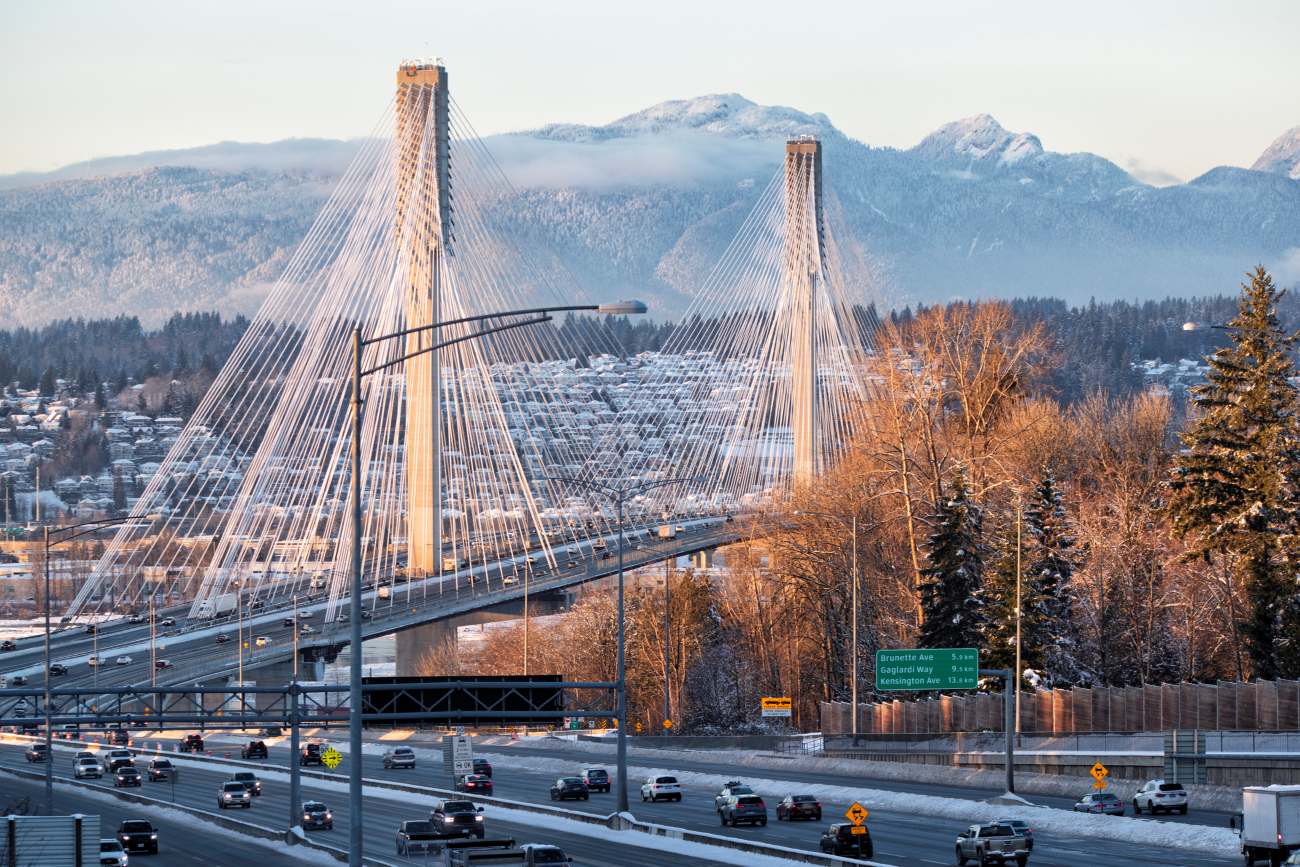
Home insurance prices in Surrey, BC are based on much more than the market value of your home. Insurers calculate premiums by looking at the cost to rebuild the property, its construction and condition, where it is located, how it is used, your claims history, and the coverage you select.
That means two homes on the same street can have noticeably different premiums. A recently built townhouse, an older detached house with original plumbing, and a home with a basement rental suite all present different insurance risks. Understanding those differences can make it easier to understand your Surrey home insurance quote and the questions an insurer asks.
Replacement cost is one of the biggest pricing factors
One of the most important numbers in home insurance is the estimated cost to rebuild your home after a major insured loss. This is called replacement cost, and it is different from your home's market value.
Market value includes factors such as the land, neighbourhood, housing demand, and recent sales. Replacement cost focuses on what it would actually take to reconstruct the building.
That calculation includes:
- Construction labour
- Building materials
- Demolition and debris removal
- Permits and professional fees
- Current building code requirements
- The size and design of the home
- Interior finishes and custom features
A home that sells for $1 million does not necessarily require $1 million of dwelling insurance, because part of that value can come from the land. At the same time, a home's rebuilding cost can rise significantly when construction costs, labour rates, or building requirements increase.
This is one reason insurance premiums can rise even when nothing about your home has physically changed.
The age and condition of major home systems matter
Insurers look closely at the systems most likely to contribute to fire, water, or property damage. Older components generally create more underwriting concerns because failures become more likely as materials age.
Important details include:
- Roof: Insurers consider the age, material, and condition of the roof because worn roofing increases the risk of water intrusion and weather damage.
- Plumbing: The type and age of plumbing affects water-loss risk. Older piping materials receive greater underwriting scrutiny.
- Electrical: Older wiring, electrical panels, and unpermitted modifications affect both fire risk and insurance eligibility.
- Heating: Furnaces, boilers, oil tanks, wood-burning appliances, and supplemental heating systems are considered when assessing fire and property risk.
Replacing an aging roof or modernizing plumbing does not automatically guarantee a lower premium, but insurers use these upgrades when assessing the condition and risk profile of the home.
Your home's construction changes how expensive a loss could be
Construction type also affects home insurance pricing because different materials respond differently to fire, water, weather, and structural damage.
An insurer can consider whether the home is wood frame, concrete, masonry, or a combination of materials. The size of the building, number of storeys, attached structures, finished basement space, and quality of interior finishes also affect the amount an insurer expects to pay after a serious loss.
Custom cabinetry, stone countertops, specialty flooring, high-end appliances, and other upgraded finishes increase rebuilding costs compared with standard materials.
Where you live in Surrey is part of the calculation
Insurers also price risk based on location. A property's postal code and surrounding area provide information about the types and frequency of claims insurers have experienced nearby.
Location-related factors include:
- Distance from a fire hall
- Access to fire hydrants
- Historical water-loss patterns
- Drainage and flood exposure
- Theft and vandalism claims
- Storm and severe weather exposure
- Density and neighbouring properties
A property with strong access to municipal fire protection presents a different fire-loss risk than a property farther from emergency services. Similarly, insurers use historical claims data to understand whether specific areas experience higher rates of water, theft, or weather-related losses.
A local Western Financial Group insurance broker in Surrey can help explain how different insurers approach these property and location factors.
A basement suite changes the insurance profile of a home
Surrey has many homes with secondary suites, and occupancy is an important insurance consideration.
A home with a rented basement suite is not insured in exactly the same way as a property occupied only by the homeowner and their family. A tenant introduces additional occupancy, liability, and property-use considerations that must be disclosed to the insurer.
Insurers need to know:
- Whether the suite is rented
- Whether the tenant is long-term or short-term
- Whether there is a separate entrance
- How much of the home is rented
- Whether the homeowner also lives at the property
Failing to disclose a rental suite creates a serious problem because the insurer is pricing the policy based on incomplete information.
Short-term rentals create a different type of risk
Using part or all of a home for short-term rentals changes the property's use and introduces risks that standard owner-occupied home insurance is not designed to automatically cover.
Frequent guest turnover, commercial activity, increased liability exposure, and periods when the owner is not present all affect underwriting. Homeowners using Airbnb or another short-term rental platform should disclose that activity before relying on a standard home insurance policy.
Vacancy can dramatically change coverage
A vacant home presents a higher risk of severe loss because leaks, fires, vandalism, or break-ins can go unnoticed for longer periods.
Insurance policies generally define vacancy differently from simply being away on vacation. If a property becomes vacant because the owner moves out, the home is awaiting sale, or renovations make it temporarily unoccupied, the insurer needs to know.
Vacancy can change the coverage available and can require additional policy conditions or specialized insurance.
Past claims affect how insurers price future risk
Your claims history is another important rating factor. Insurers review both the frequency and type of previous claims when evaluating a new application or renewal.
Several claims within a short period indicate a different level of risk than a long claims-free history.
The cause of the loss also matters. For example, after a water claim, insurers want to know what caused the damage and whether repairs or upgrades were completed to prevent the same problem from happening again.
A claims-free history can also qualify a homeowner for discounts with some insurers.
Your deductible affects how much risk you keep yourself
The deductible is the portion of a covered loss you pay before the insurer contributes to the claim.
A higher deductible generally reduces the premium because you are agreeing to absorb more of the cost when a claim occurs. A lower deductible transfers more of that cost to the insurer and generally results in a higher premium.
The lowest premium is not automatically the best option. The deductible should remain an amount you could realistically afford to pay after an unexpected loss.
Optional coverage changes the price of the policy
A basic home insurance premium does not tell the whole story. Optional endorsements and additional coverage can materially change both the cost and protection provided by the policy.
Depending on the insurer and property, additional coverage can include:
- Overland water
- Sewer backup
- Earthquake coverage
- Service line coverage
- Identity protection
- Higher limits for valuables
- Home-based business coverage
These protections address losses that are limited, excluded, or handled differently under standard policy wording.
Western Financial Group provides information about home insurance in British Columbia and can help homeowners review which coverage options apply to their property.
Working from home and running a business are not the same thing
Someone occasionally working remotely on a company laptop presents a different insurance situation from someone operating a business from their home.
A home-based business can introduce business equipment, customer visits, inventory, professional liability, or commercial activities that fall outside ordinary home insurance coverage.
If a business operates from the property, it should be disclosed so the insurer can determine whether an endorsement or separate business policy is required.
High-value belongings can require separate limits
Home insurance covers personal belongings, but policies often contain specific limits for certain categories of property.
Items such as jewelry, watches, collectibles, bicycles, artwork, musical instruments, or specialized equipment can exceed those limits. Scheduling valuable items separately provides the insurer with a specific description and insured value for the property.
This is why simply increasing your general contents limit does not always solve the problem.
Why premiums can rise even when you have never made a claim
A homeowner does not need to make a claim for their insurance premium to change.
Insurance pricing also reflects changes across the broader market, including:
- Higher construction costs
- Increasing labour expenses
- More expensive building materials
- Changing weather-related losses
- Higher claims costs
- Updated insurer underwriting rules
- Changes to the estimated rebuilding cost of the home
These factors explain why a renewal premium can increase even when the homeowner's personal claims record and property have remained unchanged.
Different insurers can price the same property differently
Insurance companies do not all calculate risk in exactly the same way. Each insurer has its own underwriting rules, pricing models, discounts, coverage options, and appetite for different types of properties.
One insurer can be more comfortable with an older home, while another can offer stronger pricing for newer construction. The same property information can therefore produce different premiums from different companies.
This is one of the main reasons homeowners work with an insurance broker. Western Financial Group can compare available insurers and explain differences in coverage, deductibles, exclusions, and pricing rather than evaluating a quote based only on the final premium.
Information to have ready before getting a home insurance quote
Accurate property information allows an insurer to price the home correctly. Before requesting a quote, gather details such as:
- Year the home was built
- Square footage
- Roof age and material
- Plumbing type and updates
- Electrical system and panel type
- Heating system
- Finished basement details
- Renovations and upgrades
- Rental suites or tenants
- Home-based business activity
- Previous insurance claims
- Security and water detection systems
Providing accurate information from the beginning reduces the risk of pricing errors and coverage problems later.
Key takeaway
Home insurance pricing in Surrey, BC comes from an insurer's assessment of how likely a loss is to occur and how expensive that loss would be. Rebuilding cost, property condition, neighbourhood, occupancy, previous claims, deductibles, and selected coverage all contribute to the final premium.
Because insurers weigh these factors differently, comparing policies involves more than checking which company has the lowest price. A broker can help identify the differences in coverage and underwriting that sit behind each quote. If you want to compare options for your property, you can request a home insurance quote from Western Financial Group.