

 13,000+ Reviews | 4.5
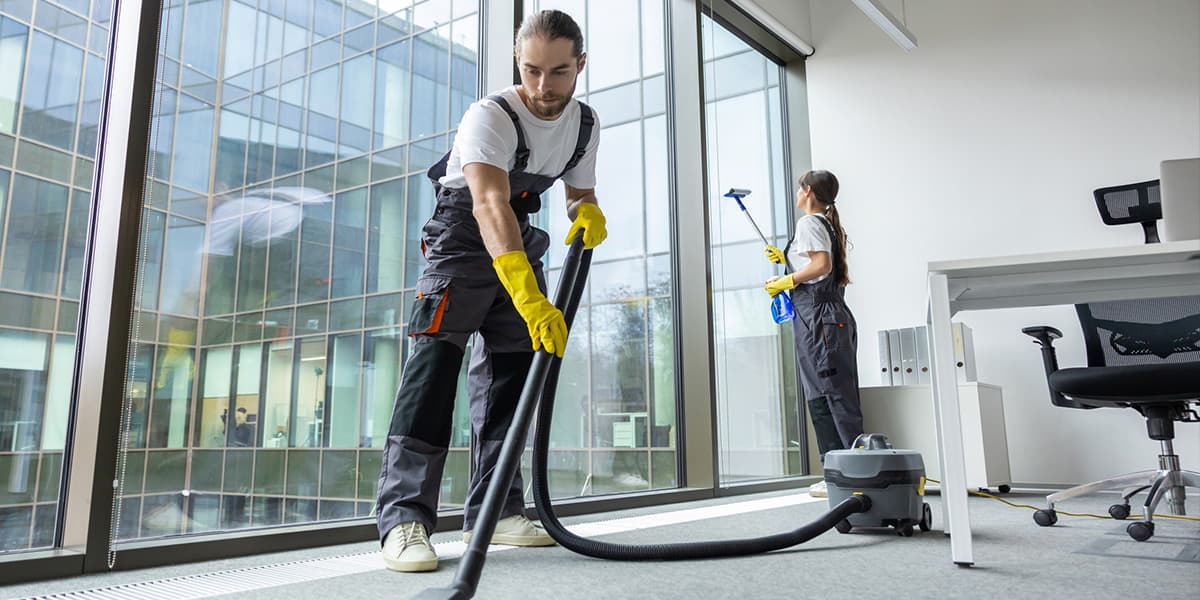
Cleaning businesses play an important role in keeping homes, offices, retail spaces, industrial facilities, and public areas safe, functional, and presentable. Whether you run a residential cleaning company, a commercial janitorial service, a move-in and move-out cleaning business, or a specialty cleaning operation, your team is trusted to work in other people’s spaces, often outside regular business hours and around valuable property.
That trust matters, but it also creates risk. A wet floor could lead to a claim. A cleaner could damage property, lose a key, use the wrong product, or be involved in an accident between job sites. Even a small mistake can become expensive when your business is responsible for responding.
For many cleaning companies in Canada, insurance is also a business requirement. It may be needed before bidding on commercial contracts, working with property managers, servicing government facilities, or partnering with larger organizations. The right package can help protect your operations, support your credibility, and give clients confidence that you take risk management seriously.
“Cleaning businesses are often working in environments they don’t control, which means the exposure can change from one job to the next,” said Zac Isfjord, Western Financial Group’s Director, Commercial Sales. “A good insurance package should reflect the kind of cleaning you do, the clients you serve, and the contracts you’re trying to win.”
Your insurance needs will depend on your services, location, payroll, equipment, vehicles, contracts, and whether you have employees or subcontractors. Still, many cleaning businesses in Canada should review the following coverages when building or updating their insurance package.
1. Commercial general liability insurance
Commercial general liability insurance, often called CGL insurance, is one of the key coverages for cleaning businesses in Canada. It can help protect against common third-party liability claims, including bodily injury, property damage, and certain types of personal or advertising injury connected to your operations.
For a cleaning company, this could include a client slipping on a freshly mopped floor, an employee accidentally damaging a customer’s property, or a chemical product causing damage to a surface. CGL insurance may help with legal defence costs, settlements, judgments, and other covered costs, depending on the policy.
This coverage is also commonly requested in contracts. Commercial property managers, condominium boards, office clients, schools, health-care facilities, and corporate customers may ask for proof of insurance before allowing a cleaning company to begin work. Some contracts may also require certain policy limits or additional insured wording.
“Commercial general liability is usually the starting point,” Zac said. “If someone is injured or property is damaged because of your business operations, you want to know your policy is designed to respond. It’s also one of the first things many commercial clients will ask to see.”
2. Property, tools, and equipment coverage
Cleaning businesses rely on equipment that can be costly to replace, from vacuums, floor polishers, carpet cleaners, pressure washers, ladders, and carts to disinfecting equipment, supplies, devices, and office furniture.
Commercial property insurance can help protect business property at an office, storage space, warehouse, or other insured location. If equipment travels from site to site, you may also need tools and equipment coverage, a contractor’s equipment floater, or another option designed for mobile property.
Think about what would happen if equipment was stolen from a vehicle overnight, a storage room fire damaged your supplies, or a floor machine broke during a busy contract period. The right property and equipment coverage can help reduce disruption and make it easier to get back to work.
3. Commercial auto insurance
If your cleaning business uses vehicles to travel between homes, offices, job sites, or storage locations, commercial auto insurance may be needed. Personal auto insurance may not be enough for business use, especially if a vehicle carries employees, cleaning products, tools, or equipment.
Commercial auto insurance can help protect business vehicles and provide liability coverage if there is an accident involving a covered vehicle. Depending on your operations, you may need coverage for owned vehicles, leased vehicles, employee-driven vehicles, or vehicles used to transport supplies and equipment.
“Cleaning businesses are mobile by nature,” Zac said. “If employees are driving to client sites or transporting equipment, it’s important to make sure the vehicle use lines up with the insurance you have in place.”
4. Janitorial bond or employee dishonesty coverage
Cleaning teams are often trusted with access to private homes, offices, after-hours workspaces, storage areas, keys, alarm codes, and valuable property. Because of that access, clients may ask whether your business is bonded or whether you carry employee dishonesty coverage.
A janitorial bond or employee dishonesty coverage can help respond to certain losses involving theft, dishonesty, or fraudulent acts by employees, depending on the policy or bond. This protection can be important for companies that work in homes, offices, retail stores, medical spaces, or buildings with sensitive inventory or equipment.
Bonding can also support client confidence. While it is not the same thing as commercial general liability insurance, it can be part of a broader insurance and risk management package for cleaning companies that want to show professionalism and readiness.
5. Workers’ compensation and employer-related coverage
Cleaning can be physically demanding work. Employees may lift heavy equipment, handle repetitive tasks, use ladders, work with chemicals, move between sites, or clean during evenings and early mornings. Injuries can happen, including slips, strains, falls, cuts, burns, and exposure-related incidents.
In Canada, workers’ compensation requirements vary by province and territory, and many businesses with employees need to register with their provincial workers’ compensation board. Rules can depend on where you operate, the type of work you do, whether you have employees or subcontractors, and how your business is structured.
Employers may also want to review employment practices or other employer-related coverage as they hire, grow their team, or take on larger contracts. The more people representing your business in client spaces, the more important it becomes to understand your responsibilities.
6. Professional liability or errors and omissions insurance
Not every cleaning business needs professional liability insurance, but it may be worth considering if you provide specialized advice, written recommendations, estimates, consulting, restoration-related guidance, infection control protocols, or other work where a client could allege that your service caused financial harm.
For example, sanitation guidance for a commercial facility carries a different exposure than basic cleaning tasks. Errors and omissions insurance can help respond to certain claims involving negligence, mistakes, or failure to deliver professional services, depending on the policy.
“The coverage needs to match the work,” Zac said. “A small residential cleaning business may have a very different risk profile than a company doing specialized commercial cleaning, post-construction cleanup, or work in sensitive facilities.”
7. Pollution liability or environmental coverage
Cleaning businesses may use chemicals, disinfectants, degreasers, solvents, and other products that can create environmental or health-related concerns if they are spilled, mixed incorrectly, released, or used on the wrong surface. Pollution liability or environmental coverage may be relevant for companies handling stronger cleaning agents or working in commercial, industrial, health-care, or food-service environments.
This coverage can help with certain claims related to contamination, cleanup costs, third-party property damage, or bodily injury caused by a pollution incident, depending on the policy. It is worth discussing if contracts mention environmental liability or if your team transports, stores, or applies products that could cause damage.
8. Cyber liability insurance
Cyber insurance may not be the first coverage cleaning business owners think about, but it can matter more as companies use online scheduling tools, digital payment systems, client portals, accounting software, cloud-based documents, and employee communication platforms.
A cyber incident can include a data breach, ransomware attack, fraudulent payment request, system interruption, or accidental release of confidential client or employee information. Cyber liability insurance may help with recovery, notification, legal support, and certain third-party claims, depending on the policy.
How much insurance does a cleaning business need?
The amount of insurance a cleaning business needs in Canada depends on its size, services, employees, equipment, vehicles, locations, and contract requirements. A small residential cleaner may need a different package than a commercial janitorial company servicing multiple buildings every night.
Many commercial clients ask for proof of CGL insurance before signing an agreement, and some require higher limits depending on the worksite, property value, foot traffic, or facility type. If you want to bid on larger contracts, review the insurance requirements before submitting your proposal.
“Insurance can affect whether a cleaning business is ready for the next opportunity,” Zac said. “If a larger client asks for proof of coverage or specific limits, having that conversation early can help avoid delays and missed contracts.”
Questions cleaning business owners should ask
Before you choose or update insurance for your cleaning business, it can help to ask:
- Am I covered if a client, visitor, or employee slips on a wet floor?
- Are my tools and equipment covered while they are in transit or stored off-site?
- Do I need commercial auto insurance for vehicles used in the business?
- Should I carry bonding or employee dishonesty coverage?
- Do provincial workers’ compensation rules apply to my employees or subcontractors?
- Does my policy address damage caused by cleaning products or chemicals?
- Do I need cyber liability insurance for online booking, payments, or client data?
- How often should I review my insurance as my cleaning business grows?
- How can I build coverage around the way my cleaning business actually works?
If you own or operate a cleaning business in Canada, Western Financial Group can help you review your options and build a business insurance package that reflects the work you do, the clients you serve, and the contracts you want to pursue. Connect with a Western Financial Group business insurance expert today for advice tailored to your cleaning business.